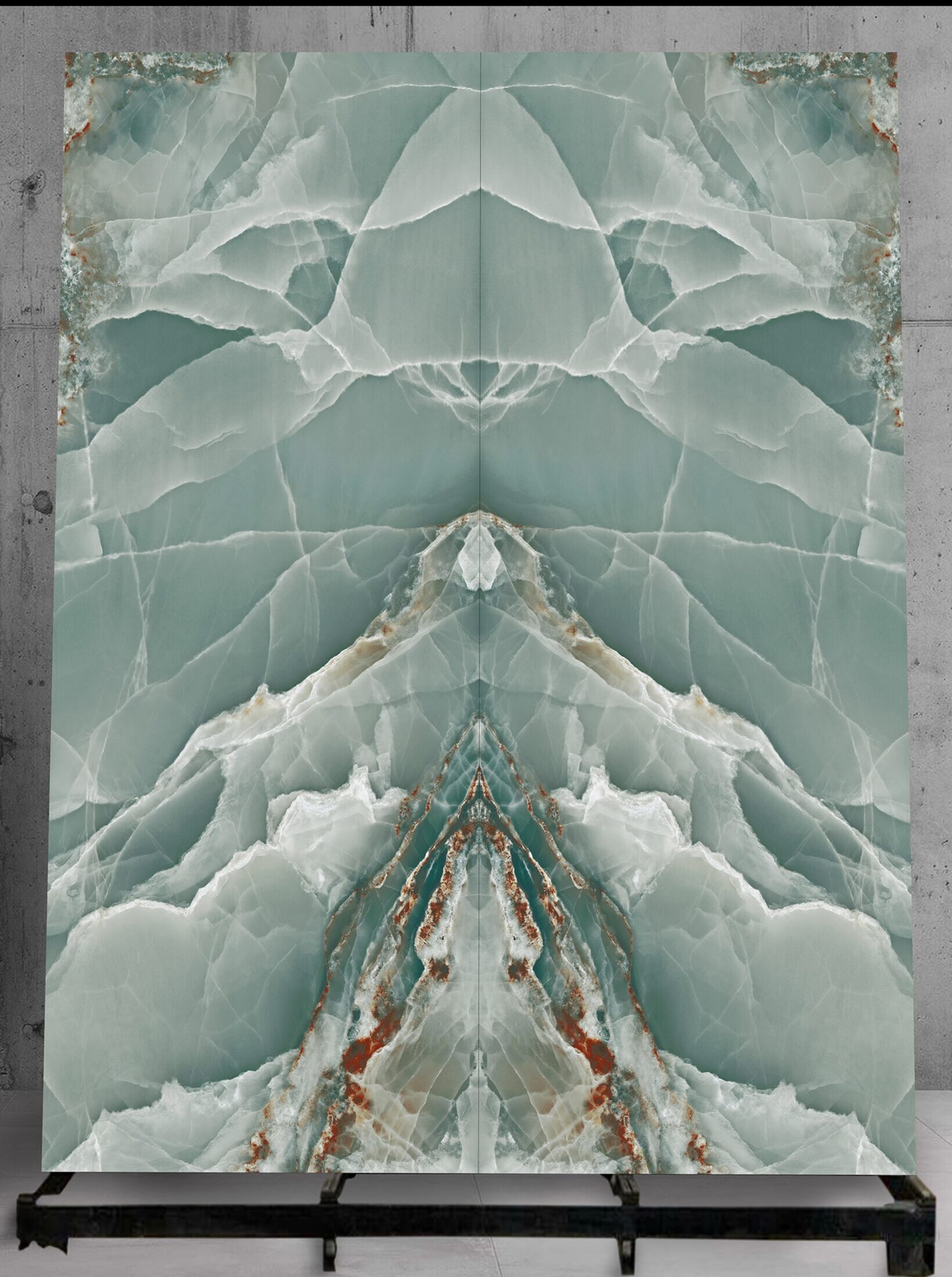
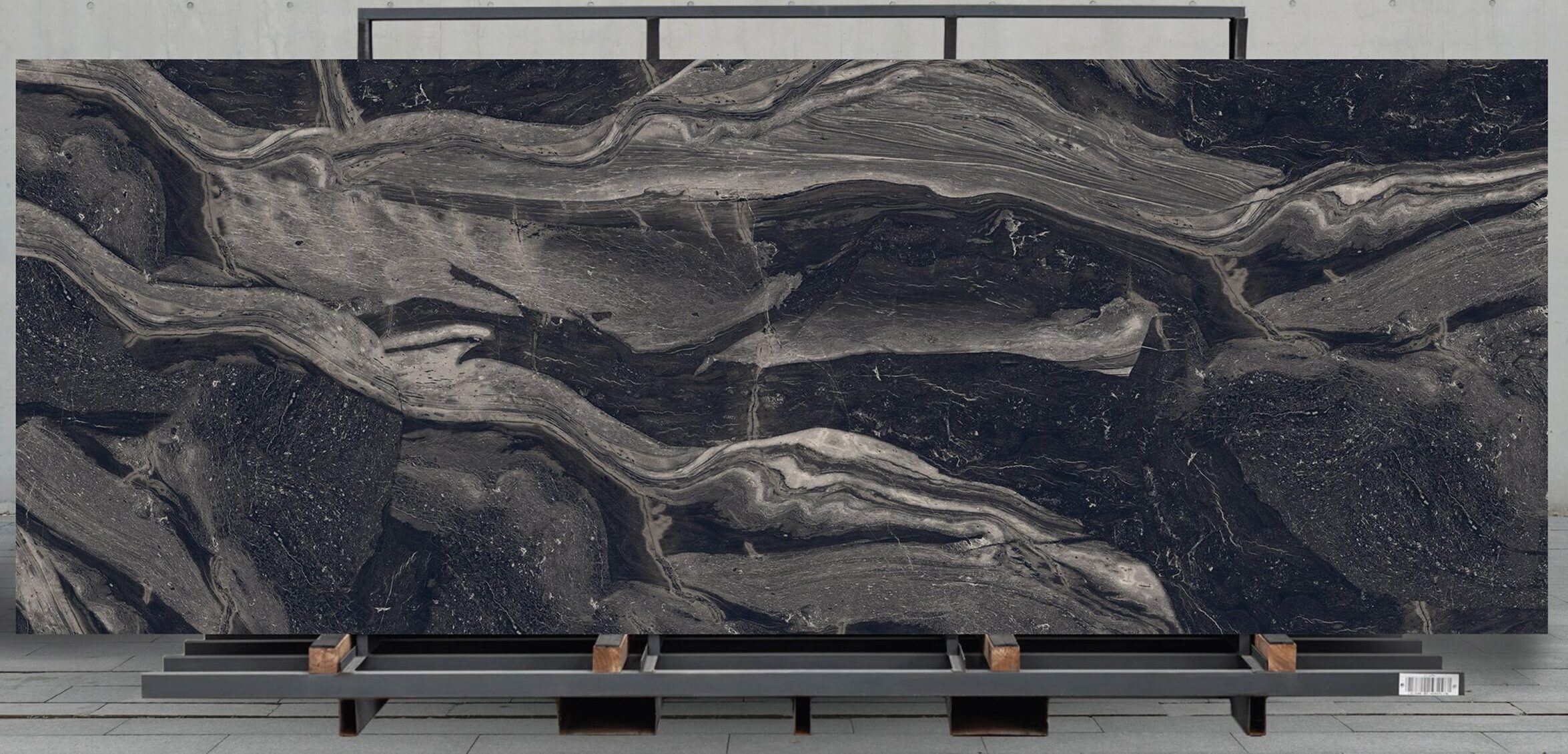
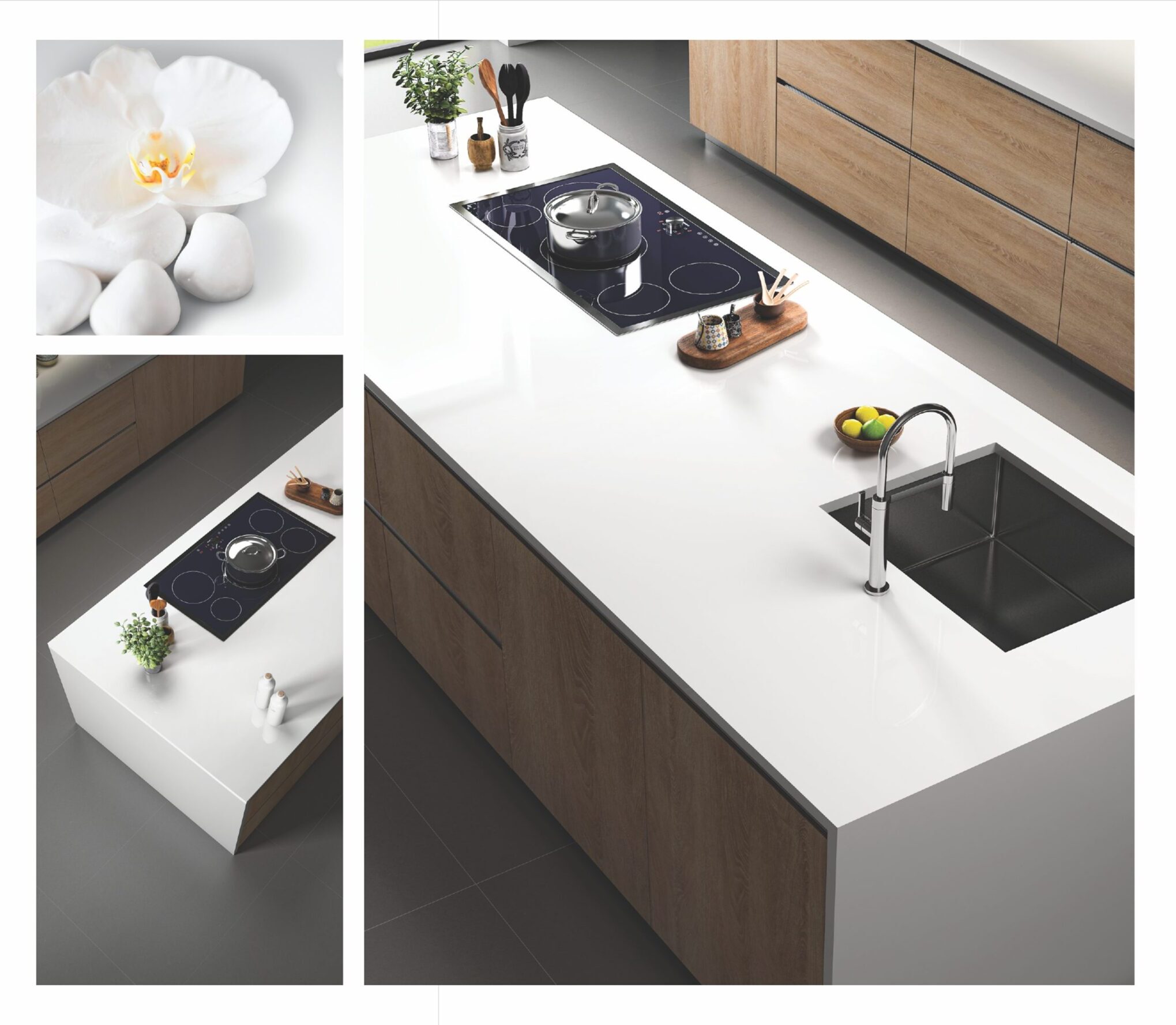
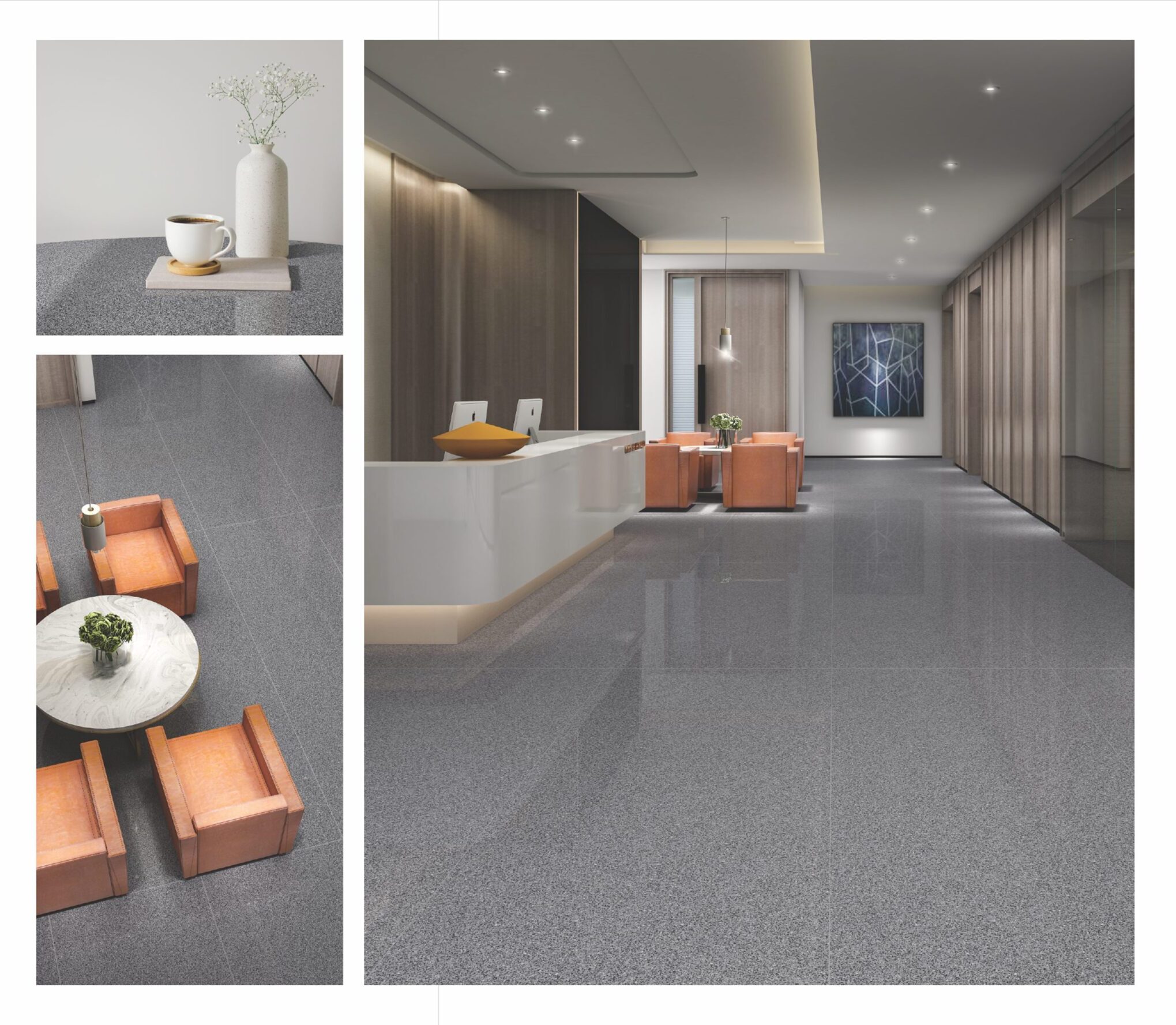
Category: Pollux Porcelano

PORCELAIN STONEWARE

Porcelain Stoneware

If you’re planning a renovation, building from scratch, or just want to refresh your interior, you’ve probably come across the term Porcelain Stoneware. But what is it exactly, and why is it so popular in both homes and commercial spaces? In this post, we’ll break down everything you need to know about Porcelain Stoneware, from how it’s made to where it works best and whether it’s the right choice for your project.

What Is Porcelain Stoneware?

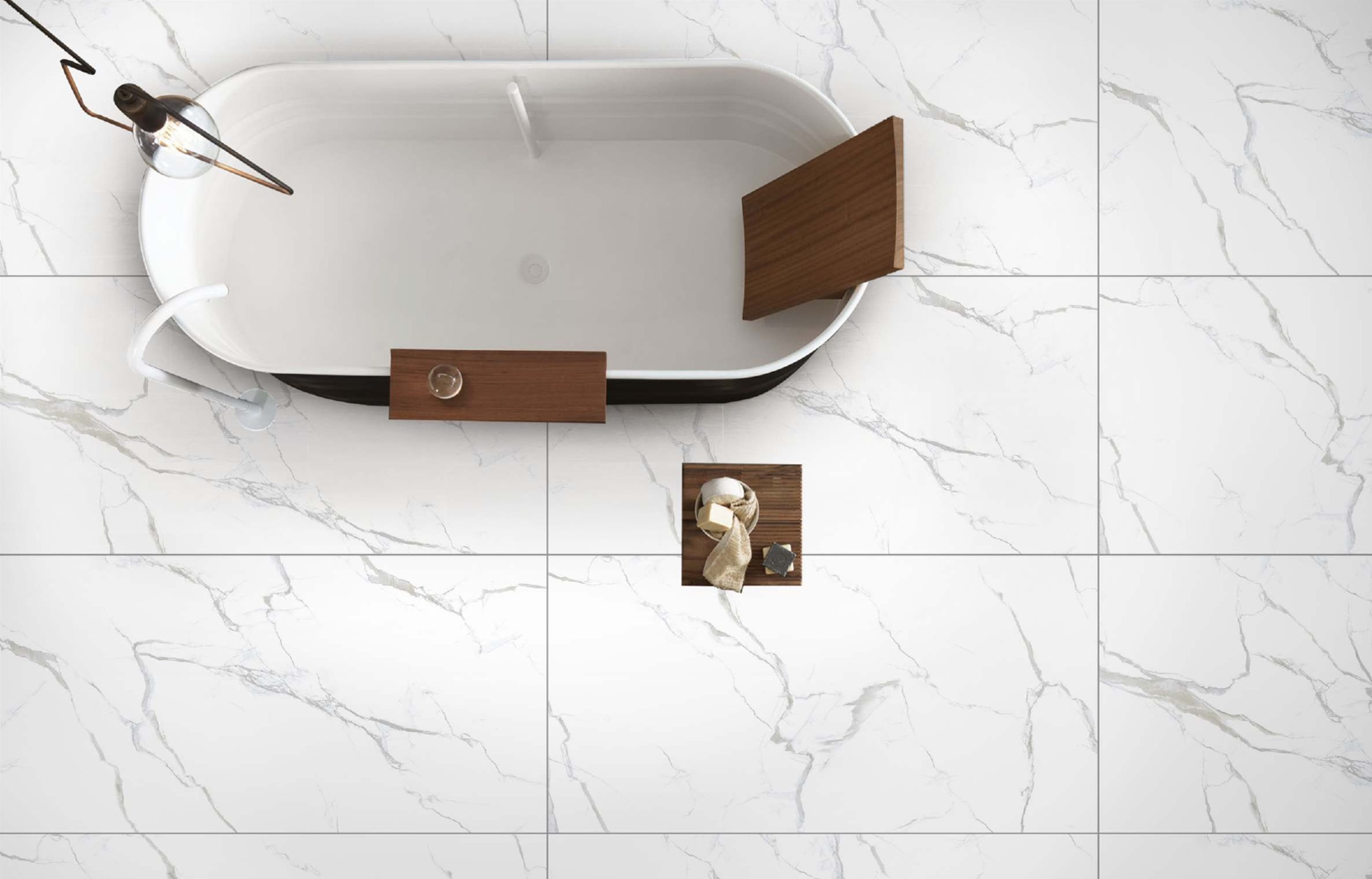
Porcelain Stoneware is a type of ceramic tile known for its strength, durability, and low porosity. Unlike traditional ceramic tiles, it’s fired at extremely high temperatures, making it dense and resistant to moisture, stains, and scratches. It’s often designed to mimic natural materials like stone, marble, or wood—offering the look you love with far less maintenance.

Why Choose Porcelain Stoneware for Your Home or Business?

There are many reasons why Porcelain Stoneware is a favorite among architects, interior designers, and homeowners. It’s incredibly tough, making it ideal for high-traffic areas. It resists water and wear, meaning it’s just as suitable for bathrooms and kitchens as it is for lobbies and office spaces. Plus, with its wide variety of styles, colors, and finishes, it suits nearly any design aesthetic—from rustic to ultra-modern.

How Porcelain Stoneware Is Made: From Raw Materials to Tiles

The production of Porcelain Stoneware starts with fine natural clay mixed with minerals like feldspar and quartz. This mixture is pressed under high pressure and then fired at temperatures exceeding 1200°C. This process results in a tile that’s dense, hard, and virtually impervious to water. The surface may then be glazed, polished, or left matte, depending on the desired finish.

The Versatility of Porcelain Stoneware in Modern Design

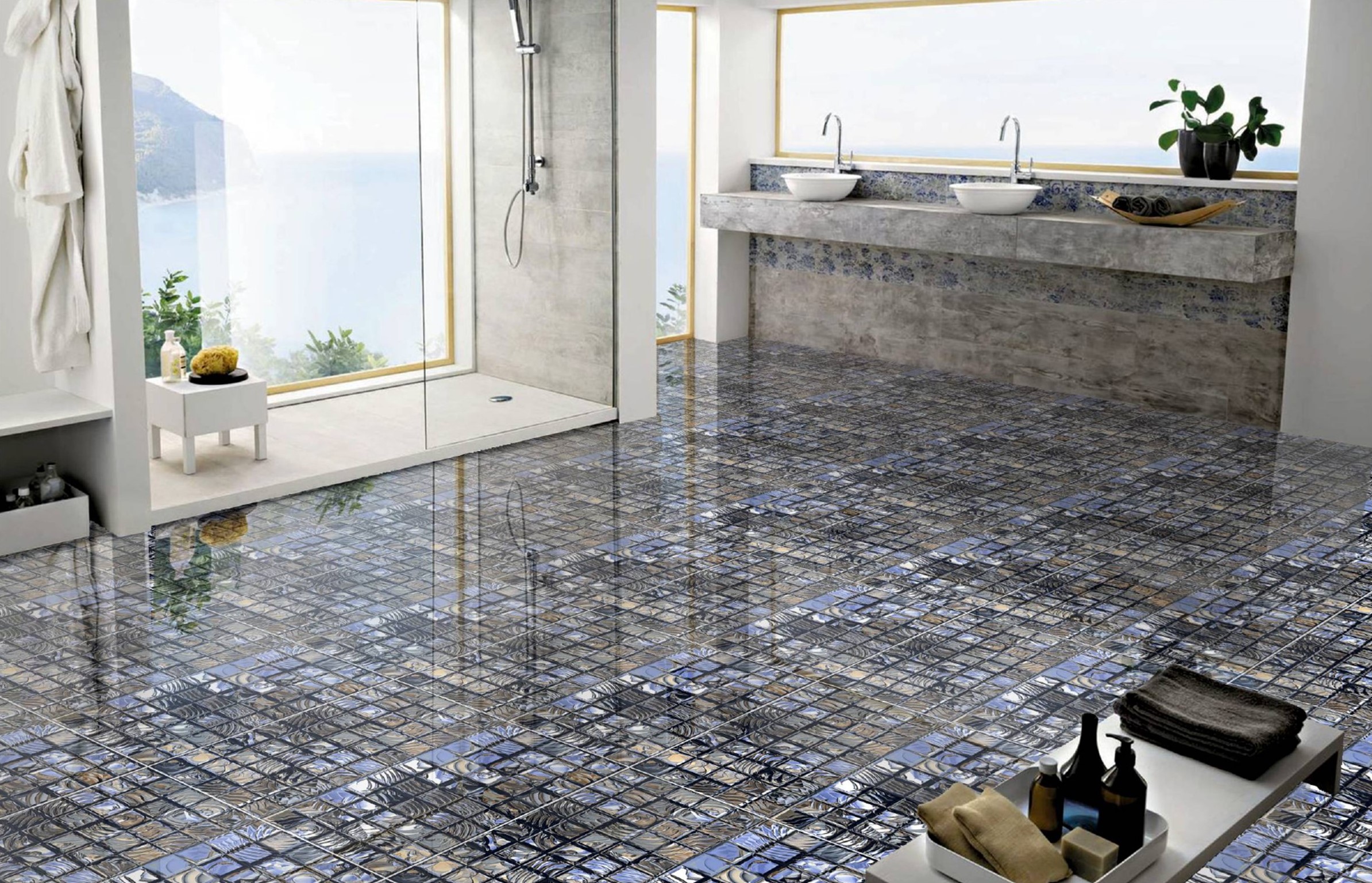
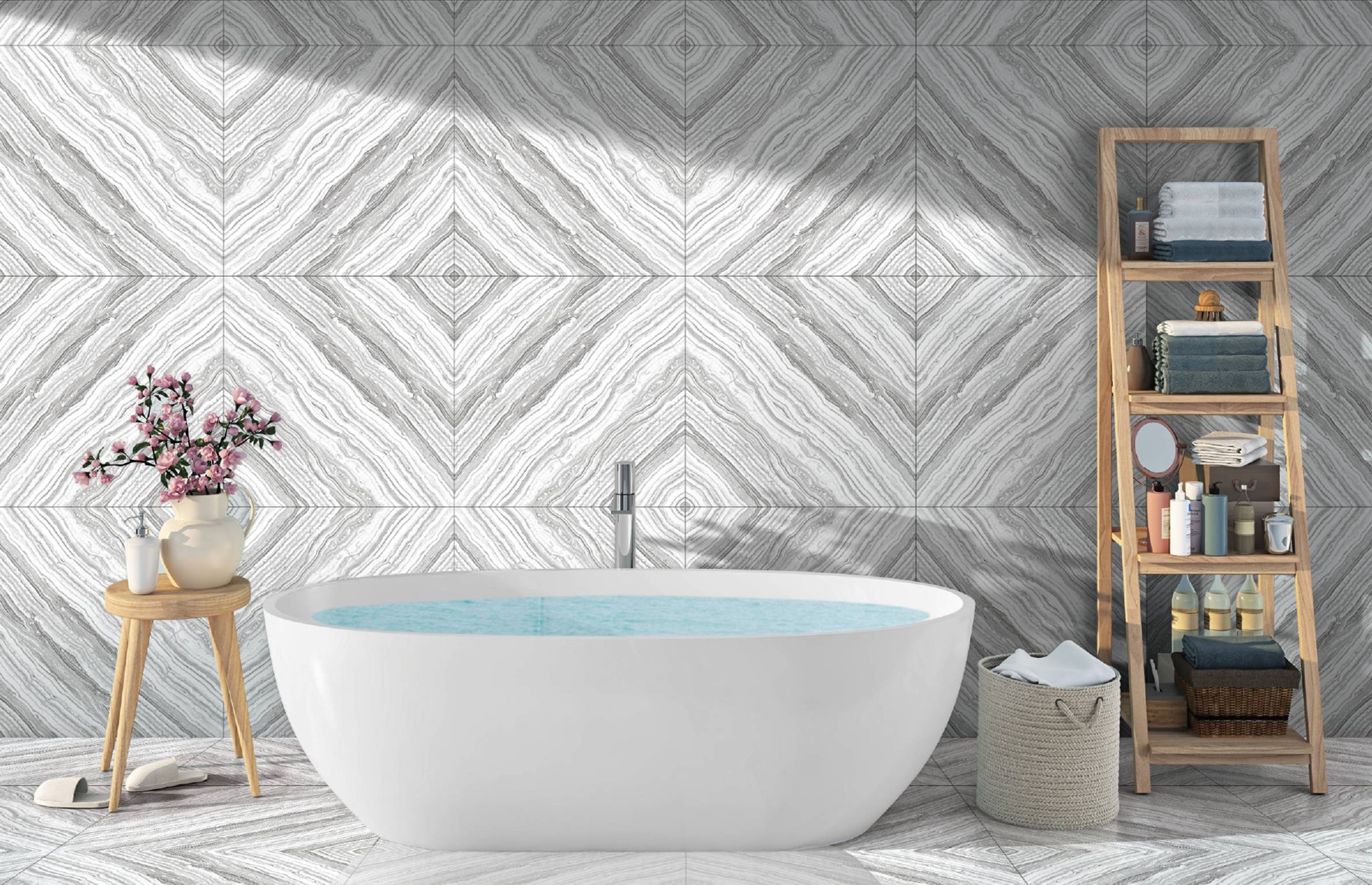
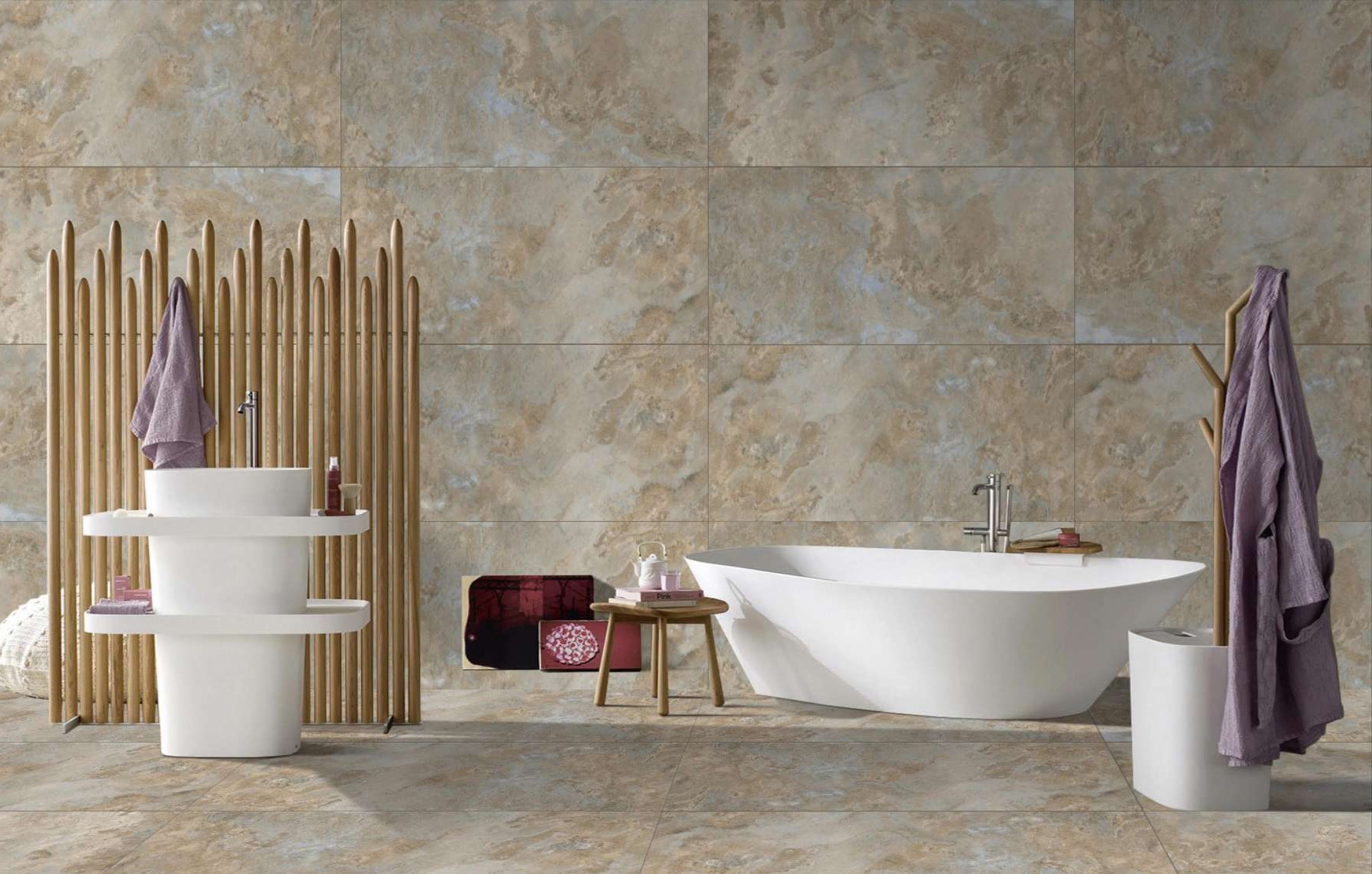
One of the standout features of Porcelain Stoneware is its versatility. It can mimic wood, stone, concrete, or even metal, offering designers a way to achieve luxurious looks without the cost or upkeep. Whether you’re designing a cozy Scandinavian-style bathroom or an industrial-chic loft, there’s a Porcelain Stoneware tile to match your vision.

PORCELAIN STONEWARE

PORCELAIN STONEWARE
PORCELAIN STONEWARE

Where Can You Use Porcelain Stoneware?

Thanks to its durability and aesthetic flexibility, Porcelain Stoneware can be used in almost any setting:

  • Indoors: floors, walls, countertops, and backsplashes
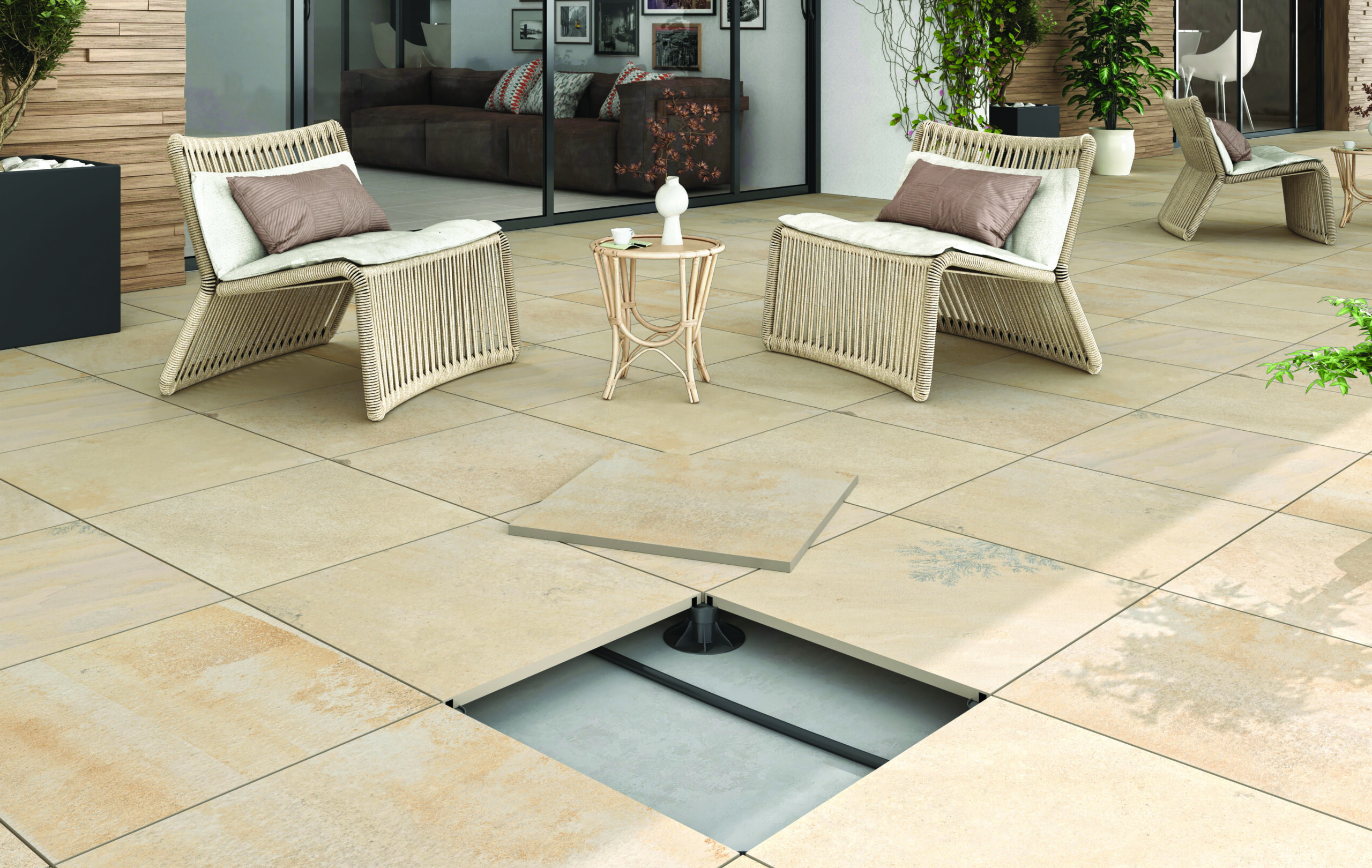
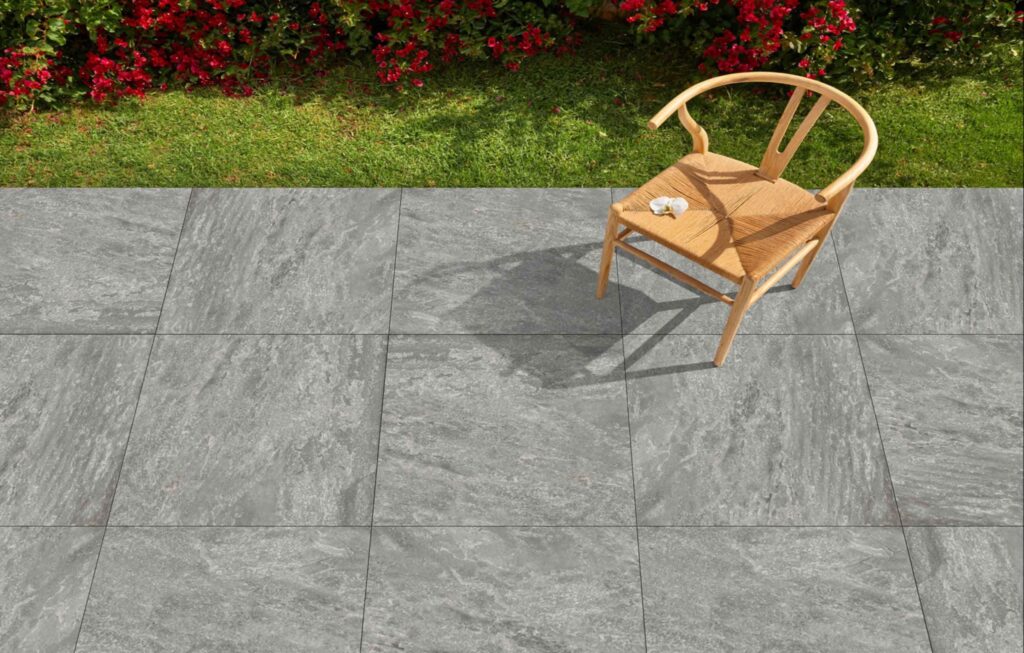
  • Outdoors: patios, terraces, and pool areas
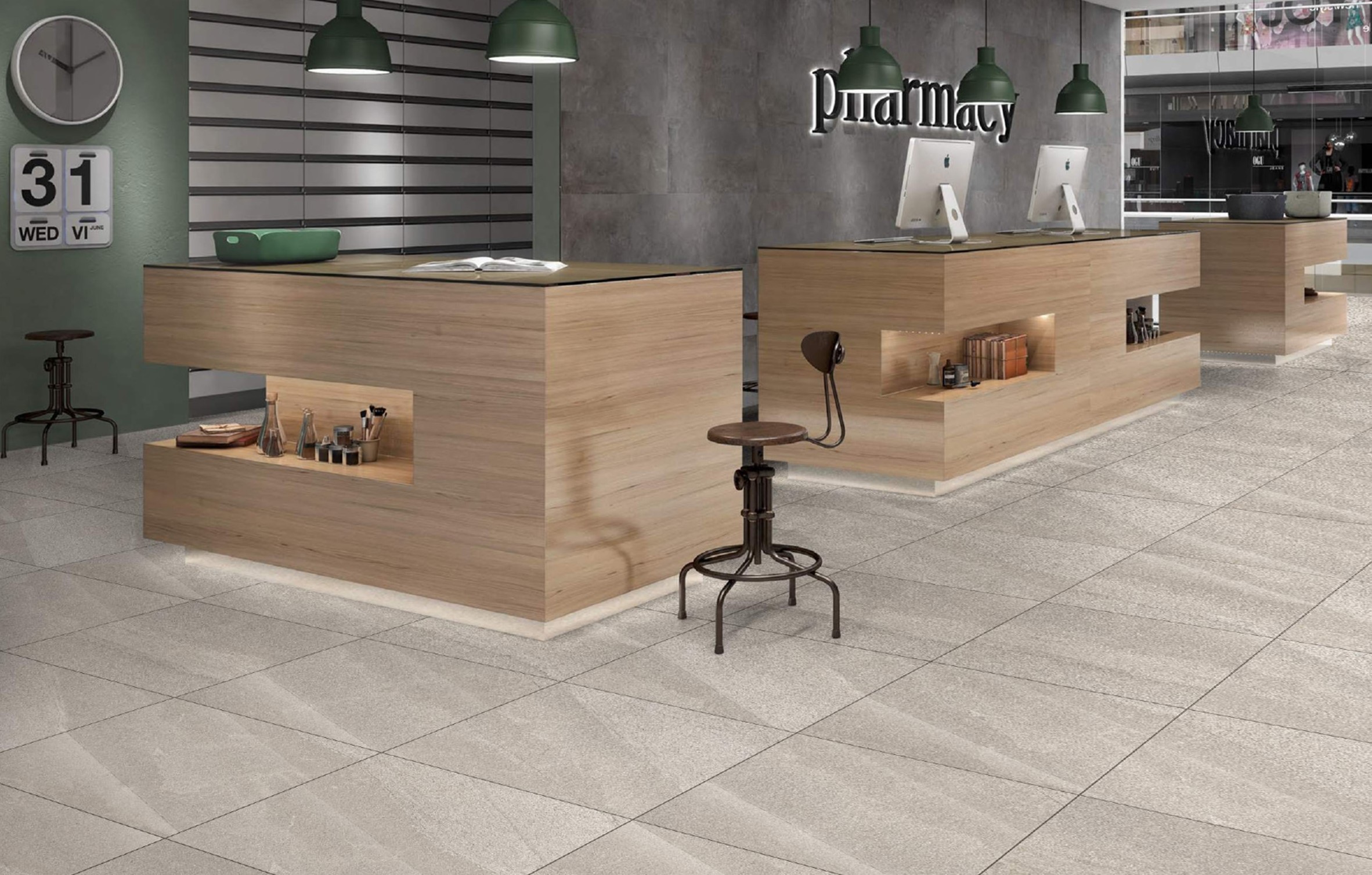
  • Commercial Spaces: restaurants, hotels, retail shops, and offices
    Its resistance to moisture and wear makes it especially popular in kitchens, bathrooms, and entryways.
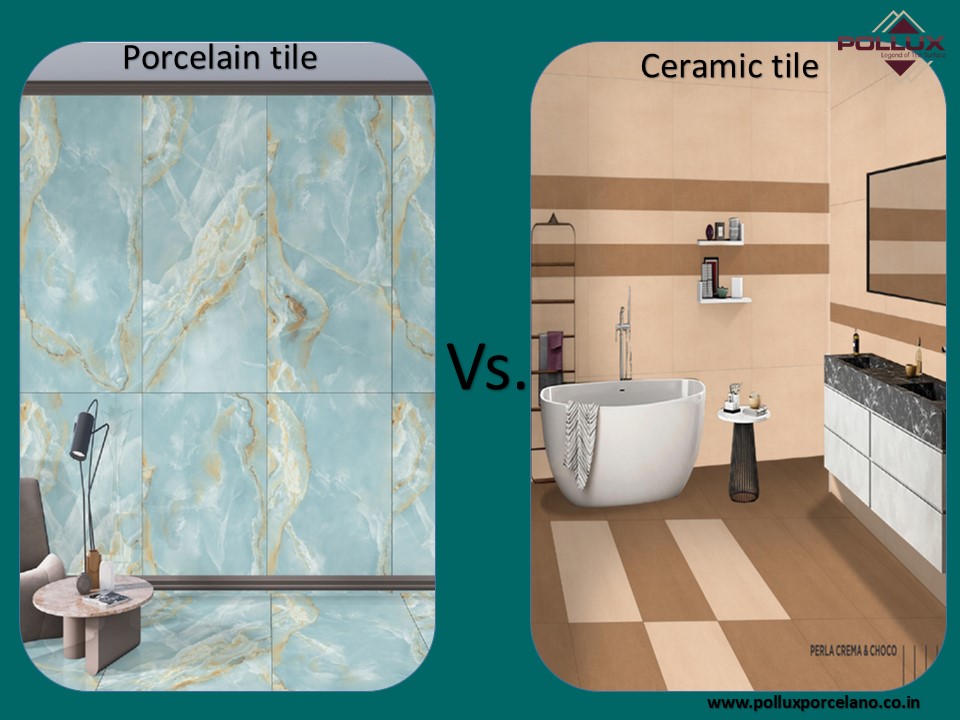
Porcelain Stoneware vs. Ceramic Tile: What’s the Difference?

While Porcelain Stoneware is technically a type of ceramic, it’s much denser and more durable than standard ceramic tile. It’s fired at higher temperatures and absorbs far less water, making it ideal for areas exposed to moisture or heavy use. If you need a tile that can withstand years of wear and tear, Porcelain Stoneware is the better choice.

How to Clean and Maintain Porcelain Stoneware for Long-Term Beauty

One of the biggest perks of Porcelain Stoneware is its low maintenance. For regular cleaning, warm water and a mild detergent are usually enough. For polished or glazed finishes, avoid abrasive cleaners that could dull the surface. Since it resists stains and doesn’t require sealing, Porcelain Stoneware stays looking fresh with minimal effort.

Top Interior Design Trends Featuring Porcelain Stoneware

Today’s interior trends heavily feature Porcelain Stoneware in exciting ways:

  • Large-format tiles that minimize grout lines for a seamless look
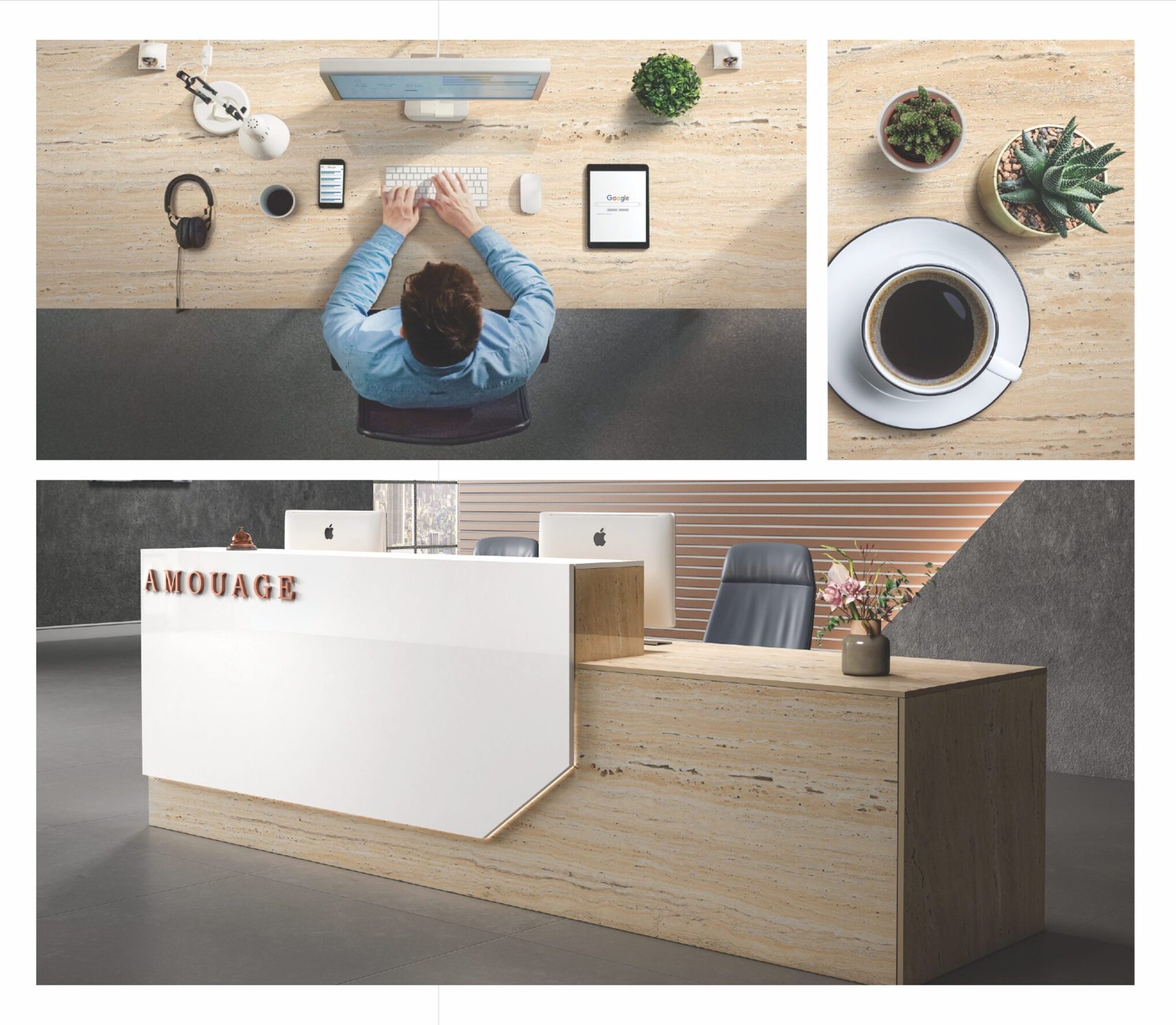
  • Stone-look finishes that mimic marble, slate, or travertine
  • Wood-look planks for warm, rustic charm with the durability of stone
  • Matte black and textured surfaces in minimalist or industrial spaces
    This material lets homeowners embrace bold styles without sacrificing practicality.
Is Porcelain Stoneware a Sustainable Choice?

Yes—Porcelain Stoneware can be a sustainable option. Many manufacturers use recycled materials in production and the long lifespan of these tiles reduces the need for replacements. Additionally, their thermal mass can help regulate indoor temperatures, potentially lowering energy use. When paired with responsible sourcing, Porcelain Stoneware is a smart choice for eco-conscious building.

How Much Does Porcelain Stoneware Cost? Is It Worth It?

The cost of Porcelain Stoneware can range from affordable to high-end, depending on the size, finish, and brand. While it may cost more upfront than basic ceramic tiles, its longevity and low maintenance make it a cost-effective solution in the long run. In commercial or high-traffic spaces, the investment pays off through fewer repairs and replacements.

Is Porcelain Stoneware Right for You?

If you’re looking for a durable, stylish, and versatile material for your floors, walls, or outdoor spaces, Porcelain Stoneware could be the perfect fit. It offers a blend of performance and aesthetics that few materials can match. Whether you’re renovating a bathroom or designing a modern open-plan kitchen, Porcelain Stoneware delivers on both form and function.

Final Thoughts

Porcelain Stoneware isn’t just a trend—it’s a smart, stylish, and sustainable choice for homes and businesses alike. With its endless design options and hard-wearing properties, it’s no wonder it remains a favorite in both residential and commercial design.

POLLUX PORCELANO COMPANY, a reliable Porcelain Stoneware exporter, provides a premium selection of  Porcelain Stoneware that are designed to add style and longevity to any project. We have the ideal tile to fit your style and endure throughout time, whether you choose striking finishes or simplistic designs.
Top 3 Flooring Porcelain Tile Standard Sizes

Introduce the Importance of Flooring

Flooring is a crucial element in interior design, significantly influencing both the aesthetics and functionality of a space. Beyond merely providing a surface to walk on, flooring sets the tone for a room’s atmosphere and serves as a foundation for the overall design scheme

Aesthetics: The choice of flooring can dramatically impact the visual appeal of a room. Different materials, colors, and textures can evoke various moods and styles. For instance, sleek, polished surfaces can create a modern and sophisticated look, while rustic wood flooring can add warmth and a sense of tradition. Porcelain tiles, specifically, are valued for their versatility in mimicking natural materials like stone or wood while offering a wider range of colors and patterns. This makes them suitable for various design aesthetics, from minimalist to ornate.

Functionality: Functionally, flooring must withstand daily wear and tear, moisture, and cleaning routines without losing its appeal or structural integrity. Porcelain tiles excel in durability, making them ideal for high-traffic areas such as kitchens, bathrooms, and entryways. Their resistance to stains, scratches, and moisture makes them low-maintenance and long-lasting, which is crucial for maintaining the aesthetic quality of a space over time.

Role of Porcelain Tiles: Porcelain tiles are manufactured from dense clay fired at high temperatures, resulting in a hard and durable product. This durability allows porcelain tiles to be used in both residential and commercial settings, where their resistance to moisture and staining is highly valued. Additionally, advancements in digital printing technology have enabled porcelain tiles to replicate the look and texture of natural materials with remarkable accuracy.

Moreover, porcelain tiles offer design flexibility with various sizes, shapes, and finishes available. They can be used to create intricate patterns or provide a seamless flow between indoor and outdoor spaces, enhancing the overall design coherence of a property.

In summary, flooring, particularly porcelain tiles, plays a pivotal role in interior design by enhancing both the aesthetic appeal and functionality of a space. Whether creating a welcoming atmosphere in a home or ensuring durability in a commercial environment, the choice of flooring significantly impacts how a space is perceived and utilized. Therefore, careful consideration of flooring materials, such as porcelain tiles, is essential for achieving a harmonious and functional interior design.

Brief Overview of Porcelain Tiles:

Composition and Characteristics:

Porcelain tiles are made from refined clay that is fired at higher temperatures than regular ceramic tiles. This process makes them more dense and less porous, with water absorption rates typically less than 0.5%.

They are known for their strength, hardness, and durability, making them suitable for both indoor and outdoor applications.

Popularity for Flooring:

Porcelain tiles have become increasingly popular for flooring due to their combination of durability, aesthetic versatility, and low maintenance requirements.

They offer homeowners and designers the ability to achieve various looks, from sleek modern designs to rustic or traditional styles.

The ability to use them in both indoor and outdoor settings expands their appeal, allowing for seamless transitions between spaces.

Flooring

60X60 CM Flooring

Floorintg

60X120 CM Flooring

Flooring

80X80 CM Flooring

Common Standard Sizes of Porcelain Tiles

60X60 CM Flooring

  • Advantages:

    • Fewer Grout Lines: Larger tiles mean fewer grout lines, which can create a more seamless and expansive look, making small rooms appear larger.
    • Modern Aesthetic: They contribute to a contemporary and spacious feel due to their size and clean lines.
    • Easier Maintenance: Larger tiles generally require less maintenance since there are fewer grout lines to clean and maintain.
    • Uniformity: They provide a uniform appearance over larger surfaces, reducing visual clutter.
  • Typical Uses:

    • Small Rooms: Ideal for small rooms like bathrooms and powder rooms where the expansive look can make the space feel bigger.
    • Kitchens: Suitable for kitchen floors where the clean lines and modern aesthetic complement contemporary kitchen designs.
    • Backsplashes: Sometimes used for kitchen backsplashes to create a modern and sleek look, though this size might be larger than typical backsplash tiles.
  • Design Trends:

    • Minimalist Designs: Large format tiles often align with minimalist design principles, emphasizing clean lines and open spaces.
    • Industrial Style: They are popular in industrial-style interiors due to their modern and utilitarian appearance.
    • Monochromatic Schemes: Often used in monochromatic color schemes to enhance the uniformity and spacious feel of a room.

60X120 CM Flooring

  • Visual Impact and Spaciousness:

    • Large Format: The 24” x 48” size offers a large format that visually expands the space of medium-sized rooms. Larger tiles can make a room appear more spacious by reducing the number of grout lines, which can create a more continuous and expansive look.

    • Contemporary Aesthetic: The trend towards modern and contemporary interior design favors larger tiles as they lend a sleek, sophisticated appearance to a room. This size is particularly popular in spaces where a clean, uncluttered look is desired.

  • Ease of Maintenance:

    • Fewer Grout Lines: Larger tiles mean fewer grout lines, which translates to easier cleaning and maintenance. Grout lines can be a challenge to keep clean in high-traffic areas, but with larger tiles, there are fewer gaps for dirt and grime to accumulate.

    • Durability: Many 24” x 48” tiles are made from durable materials like porcelain or ceramic, which are resistant to stains and easy to maintain. This makes them suitable for both residential areas like kitchens and bathrooms, as well as light commercial spaces such as offices or retail settings.

  • Versatility:

    • Adaptability to Different Styles: Despite their large size, 24” x 48” tiles are versatile and can complement various interior styles. They can be used in contemporary, minimalist settings as well as more traditional or eclectic designs, depending on the texture, color, and pattern chosen.

    • Suitability for Both Residential and Light Commercial Use: These tiles strike a balance between residential comfort and commercial durability. They are suitable for medium-sized rooms in homes, offering a luxurious feel without being overwhelming. In light commercial spaces, they provide a sophisticated look that can withstand moderate foot traffic.

80X80 CM Flooring

  • Sense of Openness: Larger tiles can create a spacious and open feel in larger areas such as living rooms, kitchens, or open-plan spaces. The expansive size of 32” x 32” tiles can visually enlarge the area by reducing the number of grout lines compared to smaller tiles, which can make the floor appear less cluttered and more continuous.

  • Reduced Grout Lines: Larger tiles mean fewer grout lines. Grout lines can sometimes interrupt the visual flow of a floor and require maintenance over time. With larger tiles like 32” x 32”, the grout lines are minimized, providing a smoother, more continuous surface that enhances the overall aesthetic appeal of the space.

  • Enhanced Visual Appeal: The size and uniformity of 32” x 32” tiles can contribute to a more modern and sophisticated look. They often showcase patterns and veining more effectively, especially in materials like porcelain or ceramic, adding to the visual appeal of the flooring.

  • Easier Maintenance: Larger tiles generally mean less grout to clean, which simplifies maintenance. The larger surface area also means fewer individual tiles to install, reducing installation time and effort.

  • Contemporary Design: 32” x 32” tiles are favored in contemporary interior design for their clean lines and seamless appearance. They can complement various design styles, from minimalist to industrial, and offer versatility in creating different visual effects depending on the layout and pattern used.

  1. Proportional Fit:

    • Large Rooms: In larger rooms, you have the freedom to use larger tiles without overwhelming the space. Larger tiles, such as 24×48 inches or even 32×32 inches, can complement spacious areas by reducing the number of grout lines. This creates a more expansive, unified look that enhances the feeling of openness.

    • Small Rooms: Conversely, small rooms benefit from smaller tiles, typically in sizes like 24×24 inches or smaller. Using small tiles in compact spaces helps in maintaining proper scale and proportion. It prevents the room from feeling cramped and allows for more flexibility in tile placement around fixtures and corners.

  2. Visual Perception of Space:

    • Large Tiles in Small Rooms: When using larger tiles in a small room, the reduced number of grout lines creates a smoother visual flow across the floor. This continuity tricks the eye into perceiving the room as larger and more open than it actually is. The seamless appearance helps to expand the perceived boundaries of the floor area.
  3. Practical Considerations:

    • Grout Lines: Smaller tiles require more grout lines to cover the same area compared to larger tiles. Excessive grout lines in a small room can make the space feel busier and more cluttered. Larger tiles minimize the amount of grout visible, contributing to a cleaner and more spacious aesthetic.
  4. Room Layout and Tile Placement:

    • Tile Placement: The layout of the tiles also impacts how spacious a room feels. In small rooms, using larger tiles in a diagonal pattern can visually elongate the space, drawing the eye along the longer lines of the tiles rather than focusing on the room’s actual dimensions.

POLLUX PORCELANO COMPANY, a reliable Porcelain Tiles Exporter, provides a premium selection of  Porcelain Tile that are designed to add style and longevity to any project. We have the ideal tile to fit your style and endure throughout time, whether you choose striking finishes or simplistic designs.
Bathroom Tile: Transform Your Space with Style and Function

Introduction

Imagine stepping into a bathroom where the tiles are a mismatched mishmash of colors, sizes, and textures, creating a chaotic visual cacophony. Now, picture yourself in another bathroom where the tiles are carefully selected, perfectly aligned, and harmoniously complementing the overall design. Which one would you prefer?

Here’s an intriguing statistic: According to a study conducted by the National Association of Home Builders, bathroom renovations consistently rank among the top interior remodeling projects undertaken by homeowners. And at the heart of these renovations lies a crucial element: the humble bathroom tile.

The Evolution of Bathroom Tiles

Ancient Civilizations

  1. Mesopotamia (c. 3000 BCE)

    • Materials: Early tiles were made of clay and were used mainly for decorative purposes.
    • Technique: Tiles were hand-shaped and sun-dried or fired in kilns.
  2. Ancient Egypt (c. 2000 BCE)

    • Materials: Glazed bricks and faience, a type of glazed ceramic.
    • Technique: Egyptians used tiles in both functional and decorative contexts, often in temples and royal palaces.
  3. Minoan Civilization (c. 2000-1500 BCE)

    • Materials: Stone and ceramic tiles.
    • Technique: Intricate patterns and motifs, including marine life and religious symbols, were common. The Palace of Knossos is a prime example.
  4. Ancient Greece (c. 800-300 BCE)

    • Materials: Terracotta tiles.
    • Technique: Greeks advanced tile-making techniques, using them in baths and on roofs.
  5. Ancient Rome (c. 500 BCE-500 CE)

    • Materials: Terracotta, marble, and mosaic tiles.
    • Technique: Romans extensively used tiles in their sophisticated public bath systems (thermae) and private homes. Mosaics with intricate designs were popular.

Middle Ages

  1. Islamic Golden Age (8th-14th centuries)

    • Materials: Glazed ceramic tiles.
    • Technique: Islamic artisans perfected tile glazing techniques, creating intricate geometric and floral patterns. The use of tiles in bathhouses (hammams) was common.
  2. Medieval Europe (5th-15th centuries)

    • Materials: Limited use of tiles, mostly stone and unglazed terracotta.
    • Technique: Tiles were less common in Europe during this period, with stone and wood being predominant in constructions.

Renaissance to 19th Century

  1. Renaissance (14th-17th centuries)

    • Materials: Encaustic tiles (clay tiles with inlaid designs).
    • Technique: Revival of tile usage in Europe, with intricate, colorful designs becoming popular in churches and palaces.
  2. Industrial Revolution (18th-19th centuries)

    • Materials: Mass-produced ceramic tiles.
    • Technique: Advances in manufacturing allowed for the mass production of tiles. Victorian England saw the extensive use of decorative tiles in public baths and private bathrooms.

20th Century to Present

  1. Early 20th Century

    • Materials: Ceramic and porcelain bathroom tiles.
    • Technique: Art Deco and Art Nouveau movements influenced tile designs with bold patterns and colors. The introduction of subway tiles became a staple in bathrooms.
  2. Mid-20th Century

    • Materials: Ceramic, porcelain, and glass tiles.
    • Technique: Post-war modernism led to simpler, more functional designs. Innovations included the development of thin, large-format tiles.
  3. Late 20th Century

    • Materials: Ceramic, porcelain, glass, and stone tiles.
    • Technique: The popularity of DIY home improvement increased the variety and accessibility of tiles. Advances in printing technology allowed for realistic imitations of natural materials like wood and stone.
  4. 21st Century

    • Materials: Advanced ceramics, porcelain, glass, metal, and composite materials.
    • Technique: Digital printing technology has revolutionized tile designs, allowing for highly detailed and customizable patterns. Sustainability has become a focus, with eco-friendly materials and production methods. Innovations like self-cleaning and anti-bacterial tiles have emerged.

Types of Bathroom Tiles

1. Ceramic bathroom Tiles

Description: Made from a mixture of clay, water, and minerals, ceramic tiles are kiln-fired to create a durable surface.

Pros:

  • Cost-effective: Generally more affordable than other tile types.
  • Variety: Available in numerous colors, patterns, shapes, and sizes.
  • Easy to Cut and Install: Suitable for DIY projects.

Cons:

  • Durability: Less durable than porcelain, prone to chipping and cracking.
  • Porosity: Higher water absorption rate, making them less suitable for very wet areas unless properly sealed.

2. Porcelain bathroom Tiles

Description: A type of ceramic tile, porcelain is made from denser clay and fired at higher temperatures, resulting in a more durable and water-resistant tile.

Pros:

  • Durability: Highly resistant to wear, chipping, and scratching.
  • Water Resistance: Extremely low water absorption rate, ideal for wet areas.
  • Variety: Available in many styles, including those mimicking natural stone or wood.

Cons:

  • Cost: Generally more expensive than standard ceramic tiles.
  • Installation: More challenging to cut and install due to its density.

3. Glass bathroom Tiles

Description: Made from thin pieces of glass, often backed with colored materials to add vibrancy and depth.

Pros:

  • Aesthetic Appeal: Offers a modern, sleek look with a reflective surface that can make small spaces appear larger.
  • Waterproof: Impervious to water, making them ideal for shower walls and backsplashes.
  • Easy to Clean: Non-porous surface resists stains and mildew.

Cons:

  • Durability: Can be prone to chipping and cracking, especially on floors.
  • Cost: Typically more expensive than ceramic or porcelain.

4. Natural Stone bathroom Tiles

Types: Includes marble, granite, travertine, slate, and limestone.

Pros:

  • Aesthetic: Each tile is unique, providing a natural and luxurious appearance.
  • Durability: Particularly in granite and marble, they can be very durable.

Cons:

  • Maintenance: Requires regular sealing to prevent staining and water damage.
  • Cost: Generally more expensive, both in terms of material and installation.
  • Porosity: Varies by type, but many natural stones are porous and absorb water unless properly sealed.

5. Mosaic bathroom Tiles

Description: Small tiles, typically less than 2 inches square, made from various materials, including ceramic, porcelain, glass, or natural stone. They are often mounted on mesh sheets for easier installation.

Pros:

  • Design Flexibility: Ideal for creating intricate patterns and designs, including murals and accents.
  • Slip Resistance: The numerous grout lines provide extra grip, making them suitable for shower floors.
  • Variety: Available in many colors, materials, and shapes.

Cons:

  • Installation: Can be time-consuming and requires precision.
  • Cleaning: More grout lines mean more areas to clean and maintain.

Summary

Each type of bathroom tile offers unique benefits and considerations:

  • Ceramic: Cost-effective and versatile, but less durable.
  • Porcelain: Durable and water-resistant, but more expensive.
  • Glass: Stylish and waterproof, but can be fragile.
  • Natural Stone: Luxurious and unique, but high-maintenance and costly.
  • Mosaic: Highly customizable and slip-resistant, but requires precise installation.

bathroom tile
bathroom tile
bathroom tile

Design Trends and Inspirations

Patterns

  1. Geometric Patterns: Bold geometric designs, including hexagons, diamonds, and arabesques, are popular. These patterns create dynamic visual interest and can make a small bathroom appear larger.
  2. Mosaic Tiles: Tiny mosaic tiles arranged in intricate patterns are making a comeback. They offer a classic look with the flexibility to create detailed designs and artwork.
  3. Herringbone and Chevron: These patterns add a touch of elegance and sophistication. Herringbone and chevron patterns can be used on both floors and walls to create a sense of movement.
  4. Patchwork Designs: Mixing and matching different tile patterns within a single color palette gives a bohemian and eclectic feel to the bathroom.

Colors

  1. Neutral Tones: Soft, neutral shades like beige, gray, and white continue to dominate, providing a timeless and versatile backdrop.
  2. Bold Colors: Deep, rich colors such as navy blue, emerald green, and black are increasingly popular for creating dramatic and luxurious spaces.
  3. Pastels: Soft pastel hues like blush pink, mint green, and powder blue add a fresh and calming vibe, perfect for smaller bathrooms.
  4. Metallic Accents: Incorporating metallic tiles in gold, silver, or bronze can add a touch of glamour and modernity to the bathroom.

Textures

  1. Matte Finishes: Matte tiles are gaining popularity for their understated elegance and ability to hide water spots and fingerprints.
  2. Textured Surfaces: Tiles with three-dimensional textures, such as ripples, waves, or raised patterns, add depth and tactile interest to the bathroom.
  3. Natural Stone: Stone-look tiles, such as those mimicking marble, slate, and limestone, provide a natural and earthy feel, enhancing the spa-like atmosphere of the bathroom.
  4. Wood-Look Tiles: Porcelain or ceramic tiles that mimic the appearance of wood offer the warmth of wood with the durability of tile, creating a cozy and inviting space.

Shapes

  1. Large Format Tiles: Oversized tiles reduce grout lines and create a seamless, expansive look, making the bathroom feel larger and less cluttered.
  2. Hexagon Tiles: The hexagon shape continues to be a favorite for both floors and walls, offering a modern yet classic look.
  3. Penny Round Tiles: These small, round tiles are perfect for creating vintage charm and can be used in creative patterns or as accent pieces.
  4. Fish Scale Tiles: Also known as mermaid tiles, these fan-shaped tiles add a whimsical and unique touch to bathroom walls or backsplashes.

Inspirations

  1. Nature-Inspired Designs: Bringing elements of nature into the bathroom, such as floral motifs, leafy patterns, or ocean-inspired tiles, promotes a serene and tranquil environment.
  2. Retro Revival: Vintage and retro-inspired designs, such as mid-century modern patterns and colors, offer a nostalgic yet trendy look.
  3. Industrial Chic: Tiles that resemble concrete, rusted metal, or weathered wood fit well in industrial-style bathrooms, adding a rugged and raw aesthetic.
  4. Art Deco Influence: Luxurious and intricate designs inspired by the Art Deco era, featuring bold lines and geometric shapes, add an air of opulence and sophistication.

Porcelain Slabs A Modern Marvel in Interior Design

Introduction

Porcelain slabs are a modern innovation revolutionizing interior design and architectural projects. Think of them as oversized tiles, typically measuring up to 10 feet long and 5 feet wide, but with a thickness ranging from 6 to 12 millimeters. These slabs are made from compressed porcelain clay that’s fired at extremely high temperatures, resulting in a material that’s durable, versatile, and incredibly resilient.

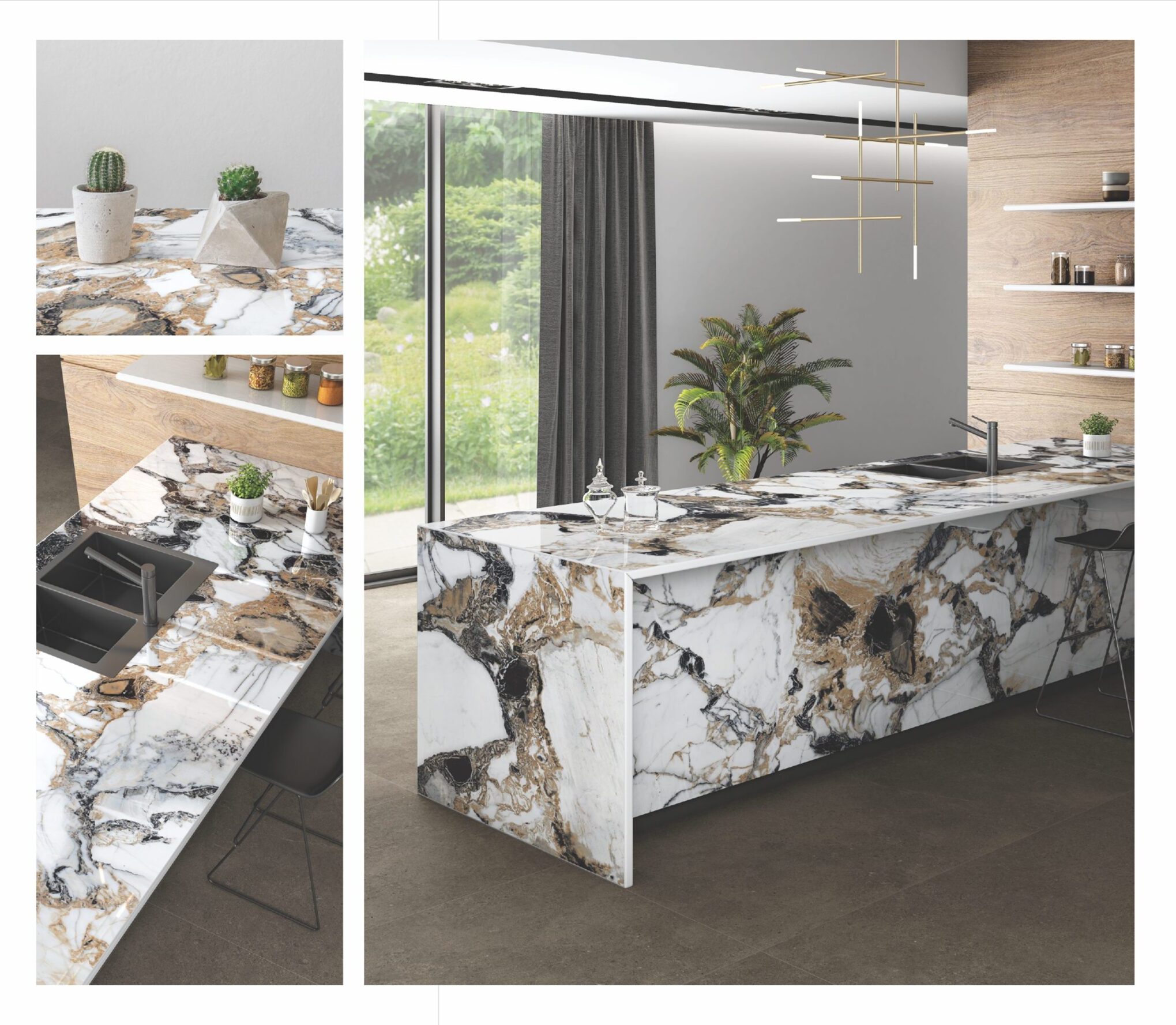
The rising popularity of porcelain slabs in contemporary design circles can be attributed to several key factors. Firstly, their large size offers seamless surfaces with minimal grout lines, creating a sleek and uninterrupted aesthetic. This makes them ideal for creating expansive countertops, flooring, wall cladding, and even furniture pieces.

Additionally, porcelain slabs boast a wide range of design possibilities. They can mimic the look of natural materials like marble, granite, wood, and concrete, but with none of the maintenance drawbacks. Unlike natural stone, porcelain is non-porous, stain-resistant, and requires minimal upkeep, making it a practical choice for both residential and commercial spaces.

Furthermore, the versatility of porcelain slabs extends beyond aesthetics. They are lightweight compared to traditional stone slabs, making them easier to transport, handle, and install. This not only reduces installation time and costs but also opens up design possibilities for applications such as vertical surfaces and outdoor installations.


What are Porcelain Slabs?

Porcelain slabs, also known as porcelain tiles or porcelain panels, are large-format ceramic tiles typically used for countertops, walls, floors, and other surfaces. They have gained popularity in recent years due to their remarkable durability, versatility, and aesthetic appeal. Here’s a breakdown of their composition, manufacturing process, and unique properties:

Composition: Porcelain slabs are made from a mixture of fine-grain clay, minerals, and other natural materials. This composition is highly refined and processed to create a dense, non-porous surface. The addition of various pigments and textures during manufacturing allows for a wide range of colors and finishes, including designs that mimic the look of natural stone like marble and granite.

Manufacturing Process: The manufacturing process of porcelain slabs involves several steps:

  1. Mixing: Raw materials including clay, feldspar, silica, and other minerals are mixed together with water to form a slurry.
  2. Pressing or Extrusion: The slurry is pressed or extruded into large sheets or slabs using hydraulic presses or extrusion machines.
  3. Drying: The formed slabs are dried to remove excess moisture, typically in a controlled environment to prevent warping or cracking.
  4. Firing: The dried slabs are fired in kilns at extremely high temperatures, typically exceeding 1200°C (2200°F). This process, known as vitrification, transforms the materials into a dense, durable, and non-porous structure.
  5. Finishing: After firing, the slabs may undergo additional processes such as glazing, polishing, or texturing to achieve the desired surface finish.

Unique Properties: Porcelain slabs offer several unique properties that distinguish them from traditional materials like marble and granite:

  1. Durability: Porcelain slabs are exceptionally durable and resistant to scratches, stains, heat, and moisture. Their non-porous surface makes them easy to clean and maintain, suitable for high-traffic areas and outdoor use.
  2. Versatility: Porcelain slabs come in a variety of sizes, thicknesses, colors, and textures, allowing for endless design possibilities. They can be used for countertops, backsplashes, wall cladding, flooring, and even furniture.
  3. Aesthetic Appeal: Porcelain slabs can mimic the look of natural stone, including marble, granite, limestone, and travertine, with remarkable realism. They offer consistent color and veining patterns, eliminating the variability found in natural stone.
  4. Large Format: Porcelain slabs are available in large formats, with sizes exceeding traditional tile dimensions. This means fewer grout lines, creating a seamless and contemporary look.
  5. Environmentally Friendly: Porcelain production often utilizes recycled materials, and the durability of porcelain slabs reduces the need for frequent replacements, making them an environmentally friendly choice.

Comparison with Marble and Granite: When compared to traditional materials like marble and granite, porcelain slabs offer several advantages:

  1. Durability: Porcelain slabs are more durable and less prone to scratching, staining, and etching compared to marble and some types of granite.
  2. Maintenance: Porcelain slabs require minimal maintenance and are easier to clean than marble and granite, which may require periodic sealing.
  3. Consistency: Porcelain slabs offer consistent color and pattern throughout, whereas natural stone like marble and granite can vary significantly in appearance from slab to slab.
  4. Cost: While the initial cost of porcelain slabs may be higher than some types of granite, they often provide better long-term value due to their durability and low maintenance requirements.


Applications in Interior Design

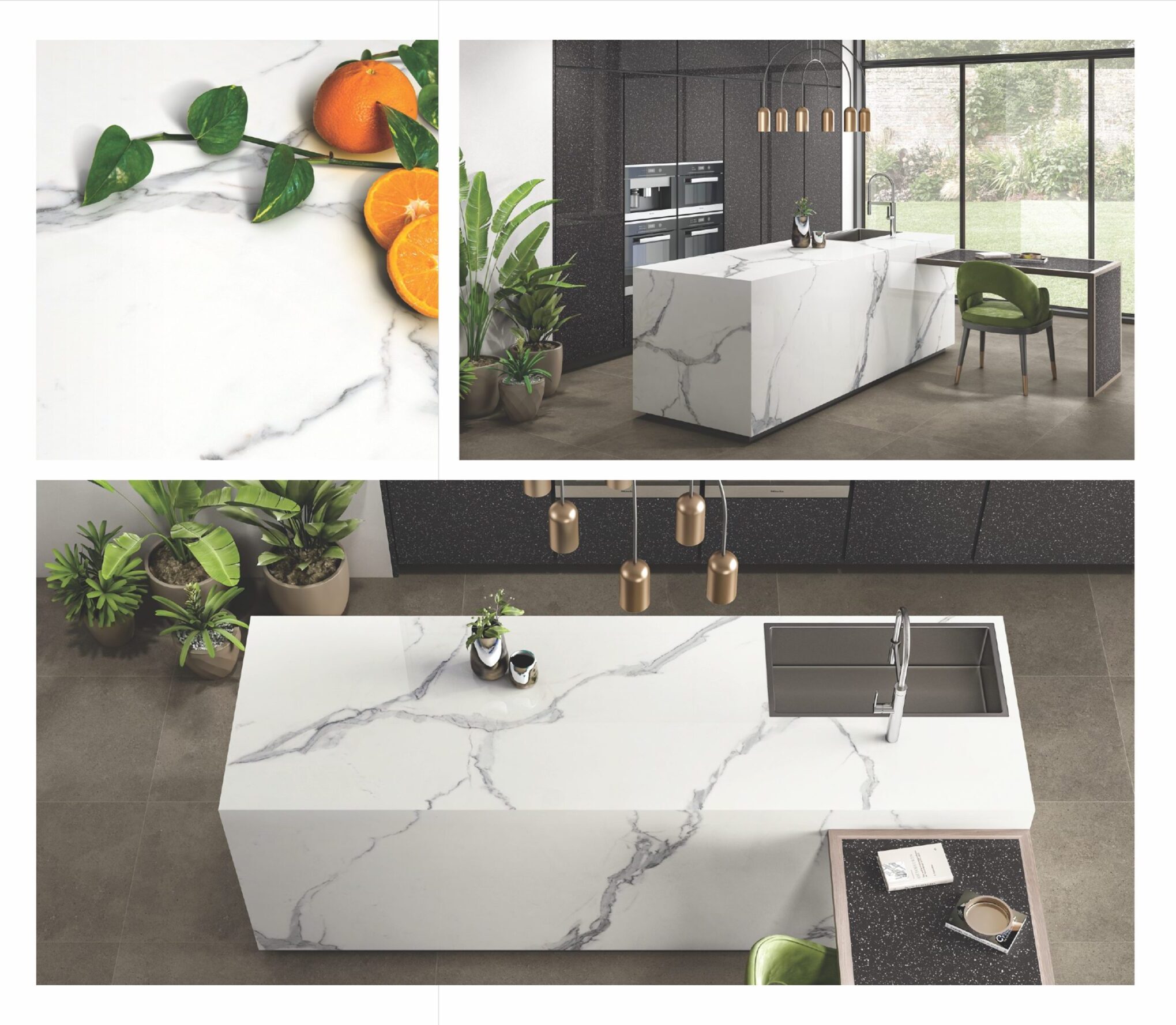
  1. Kitchen Countertops: Porcelain slabs are an excellent choice for kitchen countertops due to their resistance to heat, scratches, and stains. They offer a sleek and modern look to the kitchen space. You can find porcelain slabs in various colors and patterns to suit different kitchen styles.

    Example: A kitchen with a large, seamless porcelain slab countertop in a marble-like pattern can create a luxurious and elegant ambiance.

  2. Backsplashes: Porcelain slabs make for stunning backsplashes in kitchens and bathrooms. They provide a seamless and easy-to-clean surface while adding visual interest to the space. Porcelain slabs can mimic the look of natural stone, concrete, or even intricate patterns.

    Example: A kitchen backsplash featuring porcelain slabs in a bold geometric pattern adds a contemporary touch to the space.

  3. Flooring: Porcelain slabs are an ideal choice for flooring in high-traffic areas due to their durability and low maintenance. They can mimic the look of hardwood, natural stone, or concrete while offering superior resistance to scratches and moisture.

    Example: A living room with large-format porcelain slab flooring in a wood-look finish creates a warm and inviting atmosphere with the practicality of porcelain.

  4. Wall Cladding: Porcelain slabs can be used to clad entire walls or create accent walls in various rooms, including living rooms, bedrooms, and bathrooms. They add texture, depth, and visual interest to the space while providing a durable and easy-to-clean surface.

    Example: A bathroom featuring floor-to-ceiling porcelain slab wall cladding in a marble-inspired design exudes luxury and sophistication.

  5. Furniture: Porcelain slabs can be used to create unique and stylish furniture pieces such as tabletops, side tables, and shelving. They offer a sleek and contemporary look while being resistant to scratches, stains, and heat.

    Example: A dining table with a porcelain slab tabletop in a minimalist design adds a touch of elegance to the dining area while being practical and easy to maintain.

Design Inspirations:

  • Marble-Inspired Elegance: Use porcelain slabs with marble-like patterns for countertops, backsplashes, and wall cladding to create a luxurious and timeless look.
  • Industrial Chic: Opt for concrete-look porcelain slabs for flooring and wall cladding to achieve an industrial-inspired aesthetic with a modern twist.
  • Wood-Look Warmth: Choose porcelain slabs with wood-look finishes for flooring and furniture to bring warmth and texture to contemporary spaces without sacrificing durability.
  • Geometric Patterns: Experiment with porcelain slabs featuring bold geometric patterns for backsplashes and accent walls to add visual interest and personality to the room.

Advantages Over Traditional Materials

  1. Non-Porous Nature: Porcelain slabs are manufactured using advanced technology that results in a dense, non-porous surface. This characteristic makes them highly resistant to water absorption, preventing the growth of mold, mildew, and bacteria. As a result, they are ideal for use in areas prone to moisture exposure, such as kitchens, bathrooms, and outdoor spaces.
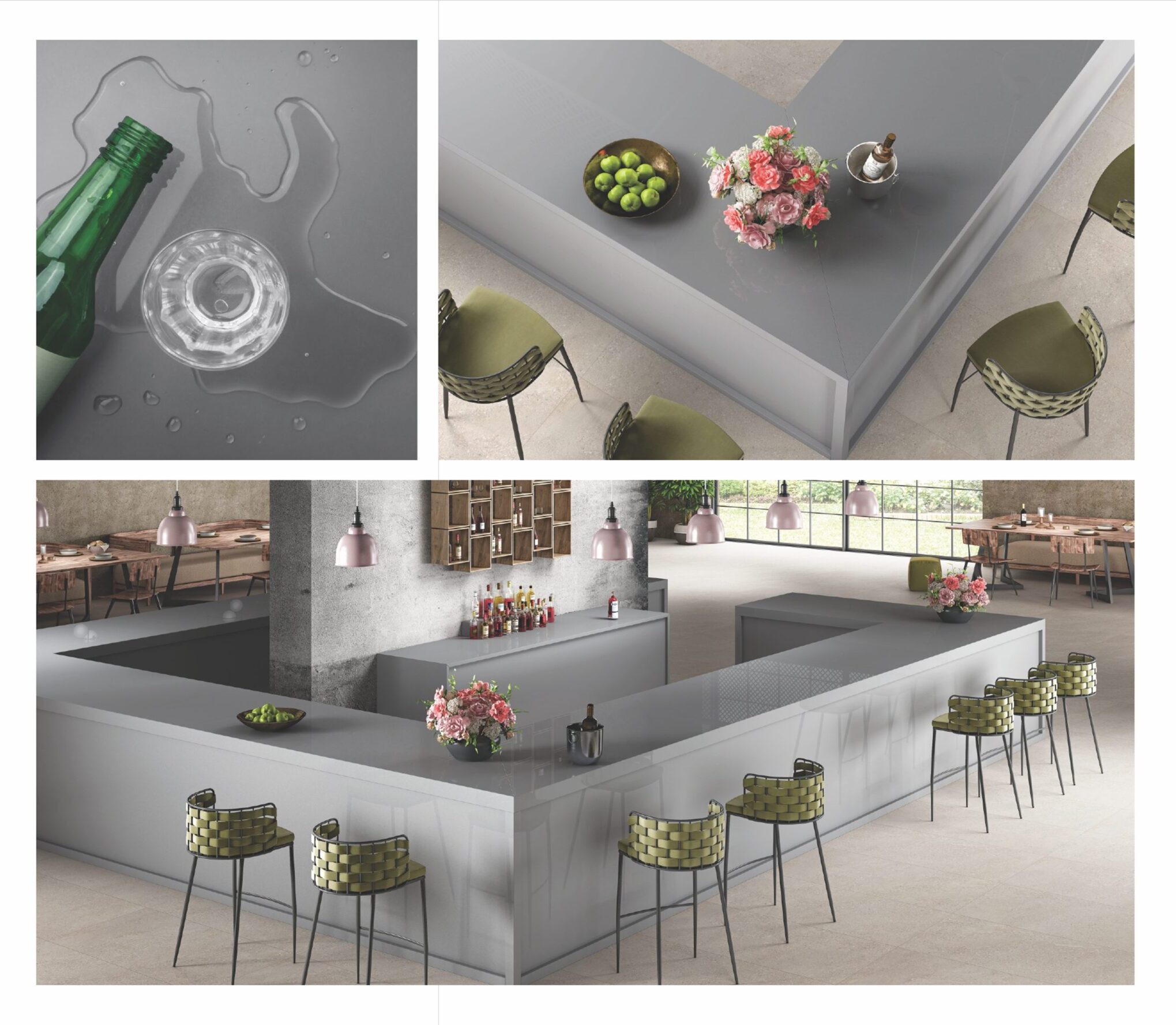
  2. Resistance to Stains: The non-porous surface of porcelain slabs makes them inherently resistant to stains from common household items such as wine, coffee, and oil. Unlike natural stone, which may require regular sealing to maintain its stain resistance, porcelain slabs offer long-term protection against unsightly stains, ensuring easy cleanup and maintenance.
  3. Scratch Resistance: Porcelain slabs are exceptionally durable and resistant to scratches and abrasions, making them suitable for high-traffic areas such as floors, countertops, and tabletops. This resilience to surface damage ensures that porcelain surfaces retain their pristine appearance even after years of use, reducing the need for costly repairs or replacements.
  4. Heat Resistance: Porcelain slabs exhibit excellent heat resistance, allowing them to withstand high temperatures without warping, cracking, or discoloration. This property makes them ideal for use in areas exposed to heat sources such as stovetops, ovens, and outdoor grills, providing peace of mind and longevity to the installation.
  5. Low Maintenance Requirements: Unlike natural stone, which often requires specialized cleaning products and regular maintenance to preserve its appearance, porcelain slabs are relatively low maintenance. Routine cleaning with mild soap and water is typically sufficient to keep porcelain surfaces looking fresh and vibrant, saving time and effort over the long term.
  6. Aesthetic Appeal of Natural Stone: Despite their practical advantages, porcelain slabs also offer the aesthetic appeal of luxurious natural stone. Advanced manufacturing techniques allow for the replication of the intricate veining, textures, and color variations found in natural stone, providing homeowners and designers with a wide range of options to achieve the desired look and feel of natural stone without the associated maintenance challenges.
  7. Versatility in Design: Porcelain slabs come in a variety of sizes, thicknesses, and finishes, offering unparalleled versatility in design applications. Whether used as flooring, wall cladding, countertops, or outdoor paving, porcelain slabs can be customized to suit any aesthetic preference or functional requirement, allowing for seamless integration into diverse architectural styles and interior design schemes.

Innovations and Trends

  1. Larger Slab Sizes: Manufacturers are pushing the boundaries of size, offering increasingly larger porcelain slabs. These larger formats, sometimes exceeding traditional dimensions like 10 feet by 5 feet, allow for seamless installations and reduced grout lines, creating a sleek and modern look in both residential and commercial spaces.
  2. Ultra-Thin Profiles: Ultra-thin porcelain slabs, often measuring just a few millimeters thick, are gaining popularity for their versatility and lightweight properties. These thin slabs are easier to handle and transport, making them ideal for applications such as wall cladding, furniture, and even exterior facades.
  3. Advanced Printing Technologies: Innovations in printing technologies have enabled manufacturers to create porcelain slabs with incredibly realistic patterns and textures. High-definition inkjet printing techniques can mimic the look of natural stone, wood, concrete, and other materials with remarkable accuracy, offering a wide range of design options for architects, designers, and homeowners.
  4. Integration of Smart Features: With the rise of smart homes and the Internet of Things (IoT), some porcelain slab manufacturers are incorporating smart features into their products. This can include embedded sensors for temperature monitoring, LED lighting systems, or even wireless charging capabilities. These integrated technologies add functionality and convenience to porcelain surfaces, enhancing their appeal in modern living spaces.
  5. Sustainability: There’s a growing emphasis on sustainability in the production of porcelain slabs. Manufacturers are implementing eco-friendly practices, such as using recycled materials in production, optimizing energy efficiency, and reducing water consumption. Additionally, some companies offer porcelain slabs that are recyclable at the end of their lifecycle, further reducing environmental impact.
  6. Customization and Personalization: Advances in manufacturing techniques have made it easier to customize porcelain slabs to meet the specific needs and preferences of customers. This includes bespoke colors, patterns, and textures, as well as the ability to create unique designs through digital printing and surface treatments. Customized porcelain slabs allow for greater creative freedom in interior and exterior design projects.

Tips for Selection and Maintenance

  1. Color:
    • Consider the overall aesthetic of your space. Do you want a bold statement or a more subtle backdrop?
    • Think about how the color will complement other elements in the room, such as cabinets, countertops, and flooring.
    • Keep in mind that lighter colors can make a space feel more open and airy, while darker colors can add depth and drama.
  2. Finish:
    • Matte finish: Offers a more natural, understated look and is less prone to showing fingerprints and water spots.
    • Polished finish: Provides a sleek, glossy appearance that reflects light and can make a space feel more luxurious.
    • Textured finish: Adds depth and dimension to the surface, making it ideal for outdoor applications or areas where slip resistance is important.
  3. Thickness:
    • Consider the structural requirements of your project. Thicker slabs are generally more durable and suitable for high-traffic areas or heavy-duty applications like kitchen countertops.
    • Thinner slabs are lighter and easier to handle, making them a good choice for wall cladding, furniture, or other vertical installations.

Maintenance guidelines for porcelain slab installations:

  1. Regular Cleaning:
    • Use a soft, damp cloth or mop with mild detergent to clean the surface regularly.
    • Avoid abrasive cleaners or scouring pads that can scratch the surface.
    • For textured finishes, use a soft brush to remove dirt and debris from the crevices.
  2. Stain Prevention:
    • Wipe up spills promptly to prevent staining, especially on lighter-colored slabs.
    • Use coasters or trivets under hot pots and pans to protect the surface from heat damage.
    • Consider applying a penetrating sealer to help repel stains and make cleaning easier, especially for high-traffic areas like kitchen countertops.
  3. Avoid Impact Damage:
    • Handle porcelain slabs with care to avoid chipping or cracking during installation.
    • Use protective pads or mats under heavy objects to prevent scratches or impact damage.
  4. Outdoor Maintenance:
    • For outdoor installations, regularly sweep or hose down the surface to remove dirt, leaves, and other debris.
    • Consider applying a UV-resistant sealant to protect the surface from fading or discoloration due to sun exposure.

Unveiling the Magic of Tile Adhesive

Introduction

Tile adhesive plays a crucial role in the world of construction and renovation, particularly in ensuring durable and long-lasting tile installations. Its importance cannot be overstated, as it directly impacts the quality and longevity of the finished project. Here’s why tile adhesive is indispensable

  1. Bonding Strength: Tile adhesive creates a strong bond between the tile and the substrate (such as concrete, wood, or drywall). This bond is essential for preventing tiles from shifting or coming loose over time, especially in high-traffic areas or areas prone to moisture.
  2. Versatility: Tile adhesive comes in various formulations to suit different types of tiles (ceramic, porcelain, natural stone) and substrates. This versatility ensures that regardless of the specific requirements of the project, there is an adhesive suitable for the job.
  3. Water Resistance: Many tile adhesives are formulated to be water-resistant or even waterproof. This is crucial for areas like bathrooms, kitchens, or outdoor spaces where tiles are exposed to moisture regularly. Water-resistant adhesives help prevent moisture infiltration, which can lead to mold, mildew, and structural damage over time.
  4. Flexibility: Flexibility in tile adhesive is essential, especially in areas where temperature fluctuations or substrate movement are common. Flexible adhesives can accommodate slight movements without compromising the integrity of the tile installation, reducing the risk of cracks or dislodgment.
  5. Ease of Application: Modern tile adhesives are designed for ease of use, typically coming in pre-mixed or easy-to-mix formulations. This simplifies the installation process, making it more efficient for contractors and DIY enthusiasts alike.
  6. Longevity: A well-installed tile floor or wall can last for decades, and the right adhesive is crucial for achieving this longevity. By providing a strong and lasting bond, tile adhesive helps ensure that the tiles remain firmly in place for years to come, reducing the need for costly repairs or replacements.
  7. Aesthetic Appeal: Beyond its functional benefits, tile adhesive also contributes to the overall aesthetic appeal of the finished project. A properly installed tile surface looks clean, uniform, and professional, enhancing the visual appeal of any space.

Understanding Tile Adhesive

Tile adhesive, also known as tile mortar or tile glue, is a specialized bonding agent used to affix tiles to surfaces such as walls, floors, or countertops. Its primary function is to securely bond tiles to the substrate, ensuring they remain in place over time despite various stresses such as foot traffic, temperature fluctuations, and moisture exposure.

Composition:

  1. Cement: Cement is a fundamental ingredient in tile adhesive formulations. It provides the adhesive with structural strength and binding properties. Portland cement, a common type used in construction, is typically the base ingredient.
  2. Sand: Sand is often mixed with cement to improve the adhesive’s workability and to prevent shrinkage during curing. The sand also contributes to the adhesive’s ability to fill gaps and create a strong bond with the substrate.
  3. Polymers: Polymers play a crucial role in modern tile adhesive formulations. These can include various types of polymers such as acrylics, latex, or ethylene-vinyl acetate (EVA). Polymers enhance the adhesive’s performance by providing flexibility, water resistance, and improved adhesion properties. They also help to reduce the risk of cracking or debonding, especially in areas prone to movement or vibration.

Functionality:

  • Adhesion Strength: The primary function of tile adhesive is to create a strong bond between the tile and the substrate. The combination of cement, sand, and polymers ensures a reliable bond that can withstand the stresses encountered in typical usage scenarios.
  • Flexibility: Flexibility is essential, especially in areas subject to temperature changes or structural movement. Polymers in the adhesive formulation allow the adhesive to flex without cracking, ensuring the integrity of the tile installation over time.
  • Water Resistance: Polymers also contribute to the adhesive’s water resistance, making it suitable for use in wet environments such as bathrooms, kitchens, or outdoor installations. This water resistance helps prevent moisture from penetrating beneath the tiles, which could lead to mold growth or substrate damage.
  • Durability: Tile adhesive is designed to provide long-term durability, maintaining its bond strength even in demanding conditions. Properly applied and cured adhesive can support the tiles for many years without the need for repairs or replacements.

Types of Tile Adhesive

  1. Cement-Based Tile Adhesive:
    • Composition: Cement-based adhesives are made from a blend of cement, sand, and sometimes polymers or additives to enhance performance.
    • Characteristics:
      • Versatile: Suitable for most types of tiles including ceramic, porcelain, quarry, and natural stone.
      • Good for porous substrates: Works well on cementitious substrates like concrete and cement backer boards.
      • Affordable: Generally more cost-effective compared to epoxy-based adhesives.
      • Setting time: Offers sufficient working time before it sets, allowing adjustments during installation.
    • Suitability: Ideal for indoor and outdoor applications, such as bathrooms, kitchens, and floors.


   2. Epoxy-Based Tile Adhesive:

    • Composition: Epoxy-based adhesives consist of epoxy resins and hardeners that react chemically to form a strong bond.
    • Characteristics:
      • Exceptional bonding strength: Provides high adhesion strength, making it suitable for heavy or large tiles, and high traffic areas.
      • Chemical resistance: Resistant to water, chemicals, and temperature variations, making it suitable for wet areas and areas exposed to harsh conditions.
      • Non-porous: Suitable for non-absorbent tiles like glass and some types of porcelain.
      • Limited working time: Sets quickly, so it requires efficient and quick installation.
    • Suitability: Ideal for areas with high moisture levels, such as swimming pools, showers, and industrial environments.3. Ready-to-Use Tile Adhesive:
      • Composition: Ready-to-use adhesives come in pre-mixed form, usually with a water-based or solvent-based formula.
      • Characteristics:
        • Convenience: No mixing required, ready to apply directly from the container, saving time and effort.
        • Consistency: Provides consistent performance and eliminates the risk of incorrect mixing proportions.
        • Limited shelf life: Once opened, ready-to-use adhesives have a limited shelf life compared to powdered adhesives.
        • Limited versatility: May not be suitable for all tile types and substrates.
      • Suitability: Ideal for DIY projects, small installations, or situations where convenience is a priority.

Application Techniques:

Surface Preparation:

  1. Clean the Surface: Ensure that the surface where the tiles will be installed is clean, dry, and free from any dust, grease, or debris. Use a vacuum cleaner or a broom followed by a damp cloth to clean the surface thoroughly.
  2. Repair Any Imperfections: Fill any cracks or holes in the surface with an appropriate filler and allow it to dry completely before proceeding.
  3. Smooth the Surface: If the surface is uneven, use a leveling compound to create a smooth and level substrate for tile installation.
  4. Prime the Surface: Depending on the type of substrate, you may need to apply a primer to improve the adhesion of the tile adhesive. Follow the manufacturer’s instructions for the appropriate primer.

Mixing Ratios:

  1. Read the Instructions: Different types of tile adhesive may have varying mixing ratios, so it’s essential to read the manufacturer’s instructions carefully.
  2. Mixing: Typically, you’ll mix the adhesive powder with water in a clean bucket using a drill with a mixing paddle attachment. Follow the recommended water-to-adhesive ratio provided by the manufacturer.
  3. Consistency: Mix the adhesive until you achieve a smooth, lump-free consistency. Avoid over-mixing, as this can affect the adhesive’s performance.

Application Methods:

  1. Trowel: The most common method for applying tile adhesive is using a notched trowel. This ensures proper coverage and helps create uniform ridges for better tile adhesion.
  2. Notched Trowel Size: Choose the appropriate size of the notched trowel based on the size and type of tiles being installed. Larger tiles may require a larger notch size to ensure adequate coverage.
  3. Spray: In some cases, tile adhesive can be applied using a spray system. This method is often used for large-scale installations or when working with non-standard substrates. Follow the manufacturer’s instructions for the specific spray equipment and application technique.

Step-by-Step Tile Installation:

  1. Plan Layout: Before applying the adhesive, dry-fit the tiles to determine the layout and ensure proper alignment. Make any necessary adjustments to accommodate cuts or special features.
  2. Apply Adhesive: Using the notched trowel, spread a layer of adhesive onto the surface, covering an area that you can comfortably tile within the adhesive’s open time (the time during which the adhesive remains workable).
  3. Create Ridges: After spreading the adhesive, use the notched edge of the trowel to comb through the adhesive, creating ridges of uniform height. This helps ensure proper coverage and bonding.
  4. Place Tiles: Carefully press each tile into the adhesive, twisting slightly to ensure a good bond. Use tile spacers to maintain consistent grout lines between tiles.
  5. Check Alignment: Periodically check the alignment of the tiles using a level or straightedge. Make any necessary adjustments before the adhesive sets.
  6. Clean Excess Adhesive: As you work, periodically clean any excess adhesive from the tile surfaces and grout lines using a damp sponge or cloth.
  7. Allow to Cure: Allow the adhesive to cure according to the manufacturer’s instructions before grouting the tiles. This typically involves waiting at least 24 hours, but it may vary depending on factors such as temperature and humidity.
  8. Grout Joints: Once the adhesive has cured, apply grout to the joints between the tiles using a grout float. Press the grout into the joints, then wipe away any excess with a damp sponge.
  9. Final Cleanup: After the grout has dried slightly, buff away any haze from the tile surfaces with a clean, dry cloth.
  10. Seal Grout (Optional): Depending on the type of grout used, you may need to apply a sealer to protect the grout from stains and moisture. Follow the manufacturer’s instructions for the appropriate sealing process.

Advantages of Using Tile Adhesive

Using tile adhesive offers several advantages over traditional methods like cement mortar, making it a preferred choice for many construction projects:

  1. Improved Bond Strength: Tile adhesive provides a stronger bond between the tile and the substrate compared to cement mortar. This enhanced bond strength ensures that the tiles remain firmly in place even under heavy foot traffic or other stresses, reducing the likelihood of tiles becoming loose or cracked over time.
  2. Reduced Installation Time: Tile adhesive typically has a faster drying time compared to cement mortar, allowing for quicker installation of tiles. This can lead to significant time savings during construction projects, helping to expedite timelines and reduce labor costs.
  3. Ease of Application: Tile adhesive is easier to apply than cement mortar, especially for non-professionals. Its smooth consistency allows for easier spreading and uniform coverage, resulting in a more efficient and hassle-free installation process.
  4. Water Resistance: Most tile adhesives are formulated to be highly resistant to water, making them ideal for use in wet areas such as bathrooms, kitchens, and swimming pools. This water resistance helps prevent moisture from seeping through the adhesive and damaging the substrate or the tiles themselves.
  5. Temperature Resistance: Tile adhesives are designed to withstand a wide range of temperatures, making them suitable for both interior and exterior applications. They can tolerate temperature fluctuations without compromising their bond strength or integrity, ensuring long-lasting durability in various environments.
  6. Flexibility: Unlike cement mortar, which can be prone to cracking under stress or movement, tile adhesive has a degree of flexibility. This flexibility allows the adhesive to absorb minor substrate movements without causing the tiles to crack or become dislodged, resulting in a more resilient and long-lasting tile installation.
  7. Versatility: Tile adhesive can be used with a variety of tile types, including ceramic, porcelain, glass, and natural stone, making it a versatile choice for different design preferences and project requirements.

Common Mistakes to Avoid

Certainly! Working with tile adhesive requires attention to detail to ensure a successful installation. Here are some common mistakes and tips to avoid them:

  1. Improper Mixing:
    • Mistake: Inadequately mixing the adhesive can lead to inconsistent adhesion and curing.
    • Tip: Follow the manufacturer’s instructions for mixing ratios and use a drill with a mixing paddle attachment for thorough mixing. Ensure the adhesive has a uniform consistency without any lumps.
  2. Inadequate Surface Preparation:
    • Mistake: Failing to properly clean and prepare the substrate can result in poor adhesion and bonding issues.
    • Tip: Clean the surface thoroughly to remove any dirt, dust, grease, or old adhesive. Repair any cracks or uneven spots. Use a primer if necessary to improve adhesion on certain surfaces.
  3. Incorrect Trowel Selection:
    • Mistake: Using the wrong trowel size or type can lead to inconsistent coverage and improper bonding.
    • Tip: Choose the appropriate trowel size and notch type recommended by the adhesive manufacturer based on the tile size and substrate. Larger tiles generally require a larger trowel with deeper notches to ensure adequate coverage.
  4. Inconsistent Application Thickness:
    • Mistake: Applying adhesive unevenly or with varying thickness can cause tiles to sit unevenly and lead to weak spots.
    • Tip: Use consistent pressure and angle when spreading the adhesive with the trowel to achieve a uniform thickness. Pay attention to the notch lines on the substrate to ensure proper coverage.
  5. Ignoring Open Time and Pot Life:
    • Mistake: Ignoring the open time (time window for applying tiles after adhesive application) and pot life (time adhesive remains workable after mixing) can result in dried adhesive and compromised bonding.
    • Tip: Be mindful of the open time and pot life specified by the adhesive manufacturer. Work in small sections, especially in hot or dry conditions, to ensure the adhesive remains workable during installation.
  6. Not Back-Buttering Tiles:
    • Mistake: Neglecting to apply adhesive to the back of tiles (back-buttering) can lead to inadequate bonding, especially with large or heavy tiles.
    • Tip: Apply a thin layer of adhesive to the back of each tile using the flat side of the trowel before setting it into the adhesive on the substrate. This ensures full coverage and stronger adhesion.
  7. Failure to Allow Sufficient Curing Time:
    • Mistake: Walking on or grouting tiles before the adhesive has fully cured can result in displacement and compromised bonding.
    • Tip: Follow the manufacturer’s recommended curing time before applying any weight on the tiles or proceeding with grouting. Factors like temperature and humidity can affect curing time, so adjust accordingly.

Exploring the Beauty of Porcelain Paving Slabs

Introduction:

Porcelain paving slabs have become a darling of landscaping and outdoor design projects in recent years. These slabs, made from high-quality porcelain, offer a durable and stylish alternative to traditional paving materials like concrete or natural stone. Their growing popularity stems from their exceptional versatility, as they can mimic the appearance of various natural materials such as slate, wood, or marble while providing added benefits like low maintenance, resistance to stains, frost, and fading. This combination of aesthetics and practicality has made porcelain paving slabs a preferred choice for creating stunning outdoor spaces that exude both beauty and functionality.

What are Porcelain Paving Slabs?

Composition:

Porcelain paving slabs are made primarily from porcelain clay, which is a type of ceramic material composed of fine-grained particles. This clay is mixed with other minerals and additives to enhance its properties, such as strength, color, and texture. The mixture is then formed into slabs of various sizes and shapes.

Manufacturing Process:

The manufacturing process of porcelain paving slabs typically involves several steps:

  1. Mixing: Porcelain clay is mixed with water and other additives to form a homogenous mixture.
  2. Shaping: The mixture is then shaped into slabs using molds or extrusion processes. These slabs can vary in size, thickness, and texture depending on the desired final product.
  3. Drying: The shaped slabs are dried to remove excess moisture and strengthen their structure.
  4. Firing: The dried slabs are fired in kilns at high temperatures, typically ranging from 1200°C to 1400°C. This process vitrifies the clay particles, making the slabs dense, hard, and resistant to water absorption.
  5. Finishing: After firing, the slabs may undergo additional processes such as glazing, texturing, or printing to enhance their appearance and performance.

Unique Properties:

Porcelain paving slabs possess several unique properties that distinguish them from other paving materials:

  1. Durability: Porcelain is highly durable and resistant to wear, fading, staining, and scratching. This makes porcelain paving slabs ideal for outdoor use in areas with heavy foot traffic or exposure to the elements.
  2. Low Maintenance: Porcelain paving slabs require minimal maintenance due to their non-porous surface, which resists the growth of mold, mildew, and algae. They can be easily cleaned with water and mild detergent, making them suitable for both residential and commercial applications.
  3. Versatility: Porcelain paving slabs are available in a wide range of colors, patterns, and textures, allowing for endless design possibilities. They can mimic the appearance of natural stone, wood, concrete, or other materials while offering superior performance and longevity.
  4. Frost Resistance: Porcelain paving slabs have low water absorption rates, making them highly resistant to frost damage. This makes them suitable for use in cold climates where freeze-thaw cycles are common.
  5. Eco-Friendly: Porcelain paving slabs are environmentally friendly compared to natural stone or concrete alternatives. They are made from natural materials and can be recycled at the end of their lifespan, reducing waste and environmental impact.


Applications of Porcelain Paving Slabs:

  1. Patios: Porcelain paving slabs are perfect for patios, providing a durable and attractive surface for outdoor lounging, dining, and entertaining. With a wide range of colors, textures, and patterns available, homeowners can create a customized patio design that complements their outdoor decor.
  2. Walkways: Whether in a residential garden or a public park, porcelain paving slabs make for beautiful and long-lasting walkways. They offer a smooth and level surface for walking, jogging, or strolling, while also enhancing the overall landscape design.
  3. Pool Surrounds: Porcelain paving slabs are an excellent choice for pool surrounds due to their non-slip surface and resistance to water damage. They create a safe and stylish border around the pool area, enhancing its visual appeal and providing a comfortable space for sunbathing and relaxation.
  4. Driveways: Porcelain paving slabs can add curb appeal to any property when used for driveways. Their high durability and low maintenance make them an ideal choice for areas with heavy traffic, ensuring that driveways remain in pristine condition for years to come.
  5. Commercial Spaces: From shopping malls to office complexes, porcelain paving slabs are a popular choice for commercial spaces. They offer a sophisticated and professional look, while also providing durability and easy maintenance for high-traffic areas.
  6. Garden Pathways: Porcelain paving slabs can be used to create charming garden pathways, guiding visitors through lush landscapes and outdoor retreats. Their versatility allows for creative designs that complement the natural surroundings and enhance the overall beauty of the garden.
  7. Roof Terraces: In urban environments where outdoor space is limited, porcelain paving slabs can transform rooftop terraces into stylish and functional extensions of living spaces. They provide a stable surface for furniture and outdoor activities, while also offering protection against the elements.
  8. Public Parks and Plazas: Porcelain paving slabs are commonly used in public parks and plazas due to their durability and aesthetic appeal. They can withstand heavy foot traffic and weather exposure, making them an ideal choice for outdoor recreational areas enjoyed by people of all ages.

Design Tips and Inspirations:

  1. Mixed Sizes and Shapes: Experiment with mixing different sizes and shapes of porcelain paving slabs to create visual interest. For example, combine large square slabs with smaller rectangular ones for a dynamic layout.
  2. Linear Patterns: Create modern and sleek designs by laying porcelain slabs in linear patterns. Horizontal, vertical, or even diagonal arrangements can add a contemporary touch to your outdoor space.
  3. Geometric Designs: Play with geometric shapes like triangles, hexagons, or chevron patterns to add a sense of geometry and sophistication to your patio or garden.
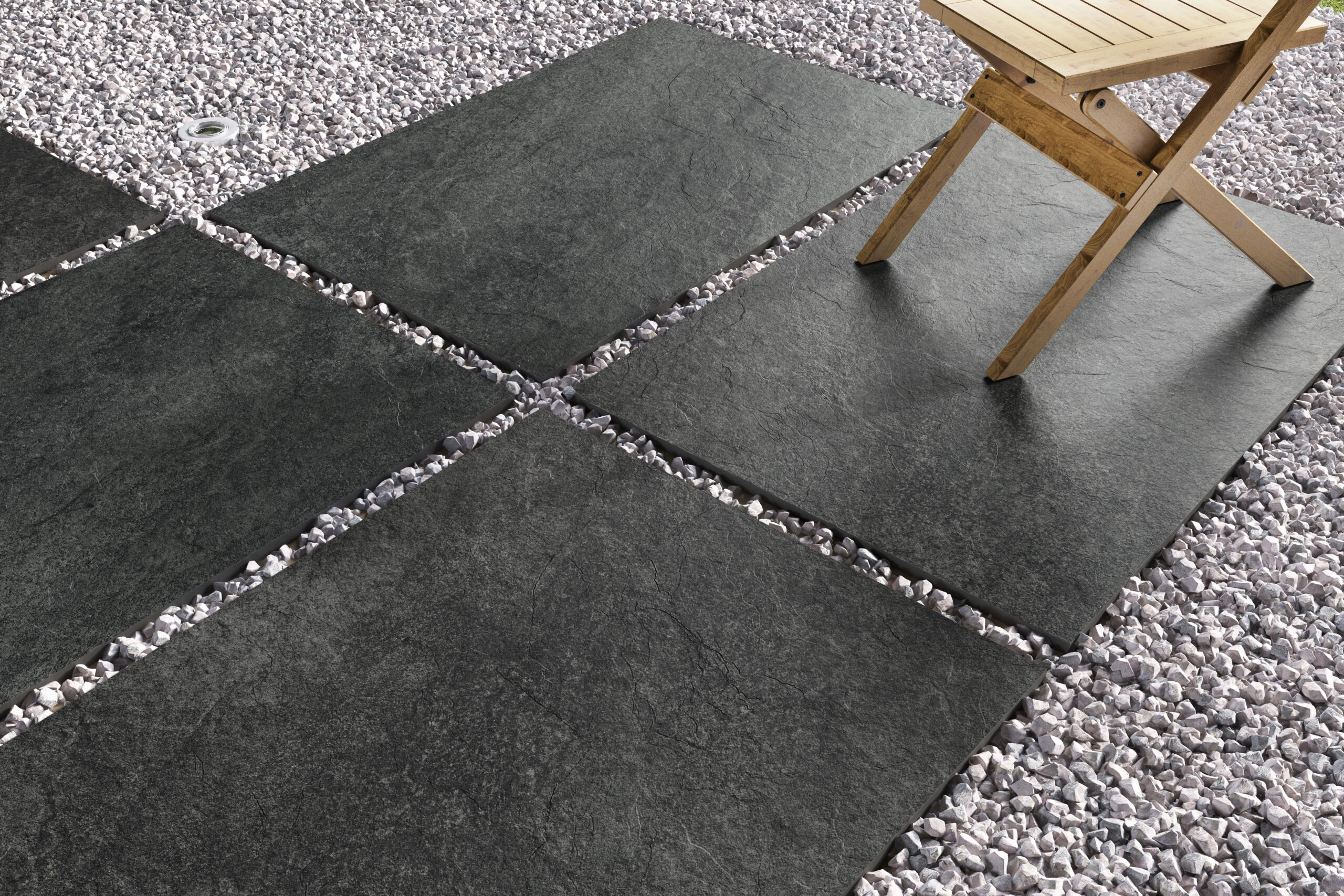
  4. Contrast with Natural Elements: Pair porcelain paving with natural elements like wood, stone, or greenery to create a harmonious outdoor environment. For instance, combine porcelain slabs with wooden decking or gravel borders for a balanced look.
  5. Color Blocking: Experiment with color blocking techniques by using porcelain slabs in different hues to create vibrant and eye-catching designs. You can opt for bold contrasts or subtle variations for a more subdued effect.
  6. Incorporate Water Features: Integrate porcelain paving around water features like fountains or ponds to create a serene and inviting atmosphere. The sleek surface of porcelain slabs complements the reflective quality of water, enhancing the overall aesthetic appeal.
  7. Create Zones: Define different functional zones within your outdoor space using porcelain paving. For example, delineate a dining area with a distinct pattern or border, while leaving other areas open for lounging or gardening.
  8. Mix Textures: Combine smooth porcelain paving with textured materials like pebbles or rough-cut stone to add tactile interest to your outdoor design. This juxtaposition of textures can create a visually stimulating environment.
  9. Layer Lighting: Enhance the beauty of your porcelain paving at night by incorporating layered lighting. Install soft, ambient lighting along pathways or beneath seating areas to create a warm and inviting atmosphere after dark.
  10. Consider Climate: When selecting porcelain paving for outdoor use, consider the climate of your region. Look for materials that are frost-resistant and suitable for outdoor environments to ensure durability and longevity.

Cost Considerations:

  1. Material Expenses:
    • Porcelain Paving Slabs Cost: Porcelain paving slabs tend to be more expensive upfront compared to traditional paving materials like concrete or natural stone. The cost per square foot/meter varies based on the quality, design, and brand but generally falls within the range of $10 to $30 per square foot.
    • Quality Variance: Higher-quality porcelain slabs, typically thicker and more durable, come at a premium price compared to lower-quality options.
  2. Installation Costs:
    • Labor Expenses: The cost of labor for installing porcelain paving slabs can be higher due to their precise installation requirements. Porcelain slabs often require professional installation to ensure proper leveling and alignment.
    • Preparation Work: Depending on the condition of the ground and the area to be paved, additional expenses may be incurred for excavation, leveling, and laying a suitable base material.
  3. Long-Term Value:
    • Durability: Porcelain paving slabs are known for their durability, resistance to staining, and low maintenance requirements. While the initial investment may be higher, their longevity can provide long-term value by reducing replacement and maintenance costs.
    • Low Maintenance: Unlike natural stone, porcelain slabs are less porous, making them easier to clean and maintain. This can lead to savings in cleaning products and labor over time.
    • Resale Value: High-quality porcelain paving can enhance the aesthetic appeal and value of a property, potentially yielding returns in the long term.
  4. Comparison with Other Paving Options:
    • Concrete Paving: While concrete is generally cheaper upfront, it may require more frequent maintenance and can be prone to cracking and staining over time, potentially leading to higher long-term costs.
    • Natural Stone Paving: Natural stone offers a unique aesthetic but can be more expensive than porcelain and may require more maintenance. Porcelain slabs can mimic the look of natural stone while offering greater durability and lower maintenance.
    • Composite Decking or Wood Paving: While initially cheaper, wood and composite materials may require more maintenance and have a shorter lifespan compared to porcelain, making porcelain a more cost-effective option in the long run

Full body tile

Introduction to Full Body Tile

Full-body tiles, also known as through-body tiles, are a type of ceramic or porcelain tile where the color and design run consistently throughout the entire thickness of the tile. This means that the surface color and texture remain the same even if the tile is chipped or scratched.

In traditional glazed tiles, the color and design are only applied to the surface, leaving the body of the tile exposed. This can result in a noticeable contrast between the surface and the exposed body if the tile is damaged.

Full body tiles offer several advantages over traditional glazed tiles. First and foremost, they are more durable and suitable for high-traffic areas because the color and design are integral to the entire tile, making any wear or damage less noticeable. Additionally, full-body tiles are often used in outdoor applications, such as patios or walkways, where exposure to the elements and potential damage is a concern.

Overall, full body tiles provide both aesthetic appeal and practicality, making them a popular choice for a variety of residential and commercial projects.

Advantages of Full Body Tiles

  1. Durability: Full body tiles are made from homogeneous materials throughout their entire thickness, meaning the color and texture run consistently from surface to base. This makes them highly durable and resistant to chipping, cracking, or breaking, even under heavy loads or impact.
  2. Resistance to Wear and Tear: The homogeneous composition of full body tiles enhances their resistance to wear and tear. They can withstand constant foot traffic, heavy loads, and other stresses without showing signs of deterioration, making them ideal for areas prone to high usage.
  3. Low Maintenance Requirements: Full body tiles are relatively low maintenance compared to other flooring options. They are resistant to stains, scratches, and chemical damage, requiring only regular cleaning to maintain their appearance. This makes them cost-effective over the long term, as they don’t require frequent replacements or refinishing.
  4. Suitability for High-Traffic Areas: Full body tiles are particularly suitable for high-traffic areas such as commercial spaces, public buildings, and outdoor environments. Their robust construction ensures they can withstand the rigors of constant use without losing their aesthetic appeal or structural integrity.
  5. Uniform Appearance: Since the color and texture of full body tiles permeate the entire thickness of the tile, they maintain a uniform appearance even as they wear down over time. This means that any scratches or chips that occur will be less noticeable compared to surface-colored tiles, preserving the overall look of the flooring.
  6. Versatility in Design: Despite their durability, full body tiles offer versatility in design. They are available in a wide range of colors, patterns, and textures, allowing architects and designers to create aesthetically pleasing spaces while still prioritizing functionality and longevity.
  7. Resistance to Fading: Full body tiles typically have excellent color retention properties, resisting fading even when exposed to sunlight or harsh environmental conditions. This ensures that the flooring maintains its vibrant appearance for an extended period, reducing the need for frequent replacements or refurbishments.
  8. Hygienic Properties: Full body tiles are non-porous, making them resistant to water absorption and moisture penetration. This inherent resistance to water makes them easy to clean and helps prevent the growth of mold, mildew, and bacteria, enhancing the overall hygiene of the space.

Design Options

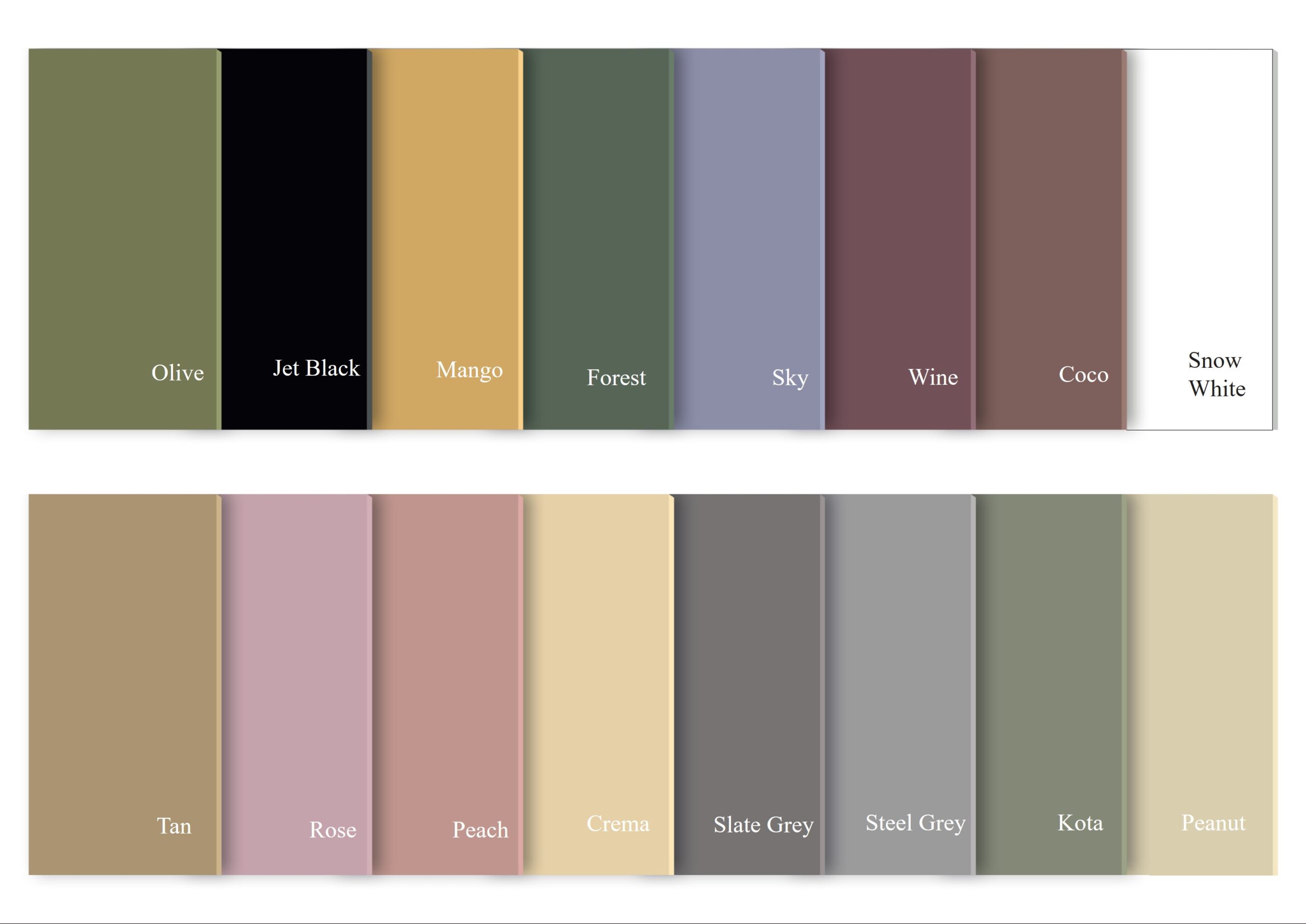
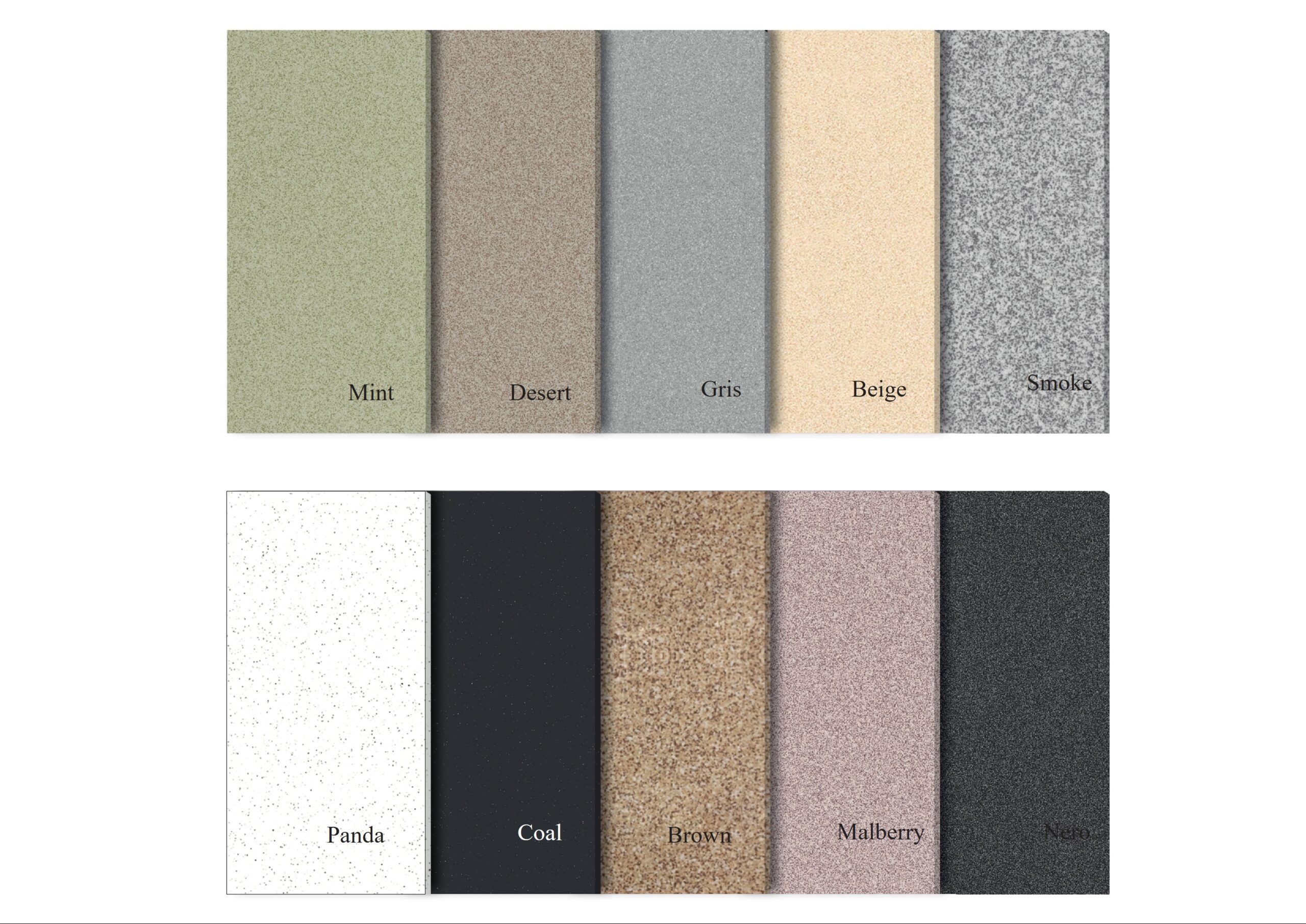
  1. Color Range: Full-body tiles come in an extensive spectrum of colors, ranging from muted neutrals to vibrant hues. This diversity enables designers to create cohesive color palettes or add pops of color to their spaces. Whether it’s earthy tones for a rustic ambiance or bold shades for a modern look, the color options are virtually limitless.
  2. Textures: The textures available in full-body tiles cater to different preferences and design aesthetics. From smooth and glossy surfaces to matte or textured finishes, each texture adds depth and visual interest to the space. Textured tiles can evoke a sense of natural stone, wood, concrete, or fabric, allowing for versatile design interpretations.
  3. Finishes: Full-body tiles offer a range of finishes to suit various design themes. High-gloss finishes create a polished and reflective surface, ideal for contemporary or luxurious settings. Matte finishes provide a subtle, understated elegance and are perfect for minimalist or industrial designs. Furthermore, options like satin, honed, or polished finishes offer additional versatility, allowing designers to customize the aesthetic appeal of their projects.
  4. Complementary Design Styles and Themes:
    • Modern and Contemporary: Full-body tiles with sleek finishes and bold colors complement the clean lines and minimalist aesthetics of modern and contemporary interiors. Glossy finishes can enhance the sense of sophistication, while neutral colors provide a timeless appeal.
    • Rustic and Traditional: Textured full-body tiles resembling natural materials such as stone or wood are well-suited for rustic or traditional design themes. These tiles add warmth and character to spaces, creating a cozy ambiance reminiscent of countryside homes or classic interiors.
    • Industrial: Matte-finish full-body tiles with concrete-like textures are perfect for industrial-inspired spaces. Their raw, rugged appearance adds authenticity to the design, evoking the atmosphere of urban lofts or converted industrial buildings.
    • Transitional: Full-body tiles offer a seamless transition between different design styles. Their versatility allows designers to blend elements from various aesthetics, creating cohesive and harmonious interiors that balance tradition with modernity.


Applications

  1. Flooring:
    • Residential: Full-body tile is a popular choice for residential flooring due to its durability and low maintenance. It can mimic the look of natural materials such as stone or wood while offering better resistance to stains, scratches, and moisture. For example, in a modern kitchen, large-format full-body porcelain tiles with a concrete look can create a sleek and minimalist aesthetic.
    • Commercial: In commercial settings like airports, shopping malls, or hotels, full-body tile flooring can withstand heavy foot traffic and maintain its appearance over time. For instance, in a hotel lobby, large-format full-body tiles with a marble-like finish can exude luxury and elegance.
  2. Wall Cladding:
    • Residential: Full-body tiles can be used for wall cladding in bathrooms, kitchens, or living rooms to create a cohesive look with the flooring. For example, in a contemporary bathroom, full-body porcelain tiles with a textured finish can add visual interest to the walls while complementing the floor tiles.
    • Commercial: In commercial spaces such as restaurants or retail stores, full-body tile wall cladding can enhance the interior design and provide a durable surface that is easy to clean. For instance, in a restaurant, full-body porcelain tiles with a wood-look finish can create a warm and inviting atmosphere.
  3. Countertops:
    • Residential: Full-body porcelain tiles can be used for kitchen countertops as a cost-effective alternative to natural stone or quartz. With proper sealing, full-body tiles can resist stains and heat, making them suitable for food preparation areas. For example, in a contemporary kitchen, large-format full-body porcelain tiles with a marble-inspired design can create a sophisticated look.
    • Commercial: In commercial kitchens or bathrooms, full-body tile countertops offer durability and easy maintenance. For instance, in a café, full-body porcelain tiles with a concrete-like finish can provide a modern and industrial aesthetic for the serving counter.
  4. Outdoor Surfaces:
    • Residential: Full-body tiles are an excellent choice for outdoor patios, walkways, or pool decks due to their resistance to frost, moisture, and fading from sunlight. For example, in a backyard patio, large-format full-body porcelain tiles with a stone-look finish can create a seamless transition between indoor and outdoor living spaces.
    • Commercial: In outdoor commercial spaces like restaurant patios or hotel courtyards, full-body tile surfaces can withstand the elements and maintain their appearance in high-traffic areas. For instance, in a resort, full-body porcelain tiles with a wood-grain texture can provide a durable and low-maintenance decking solution around the pool area.

Real-life case studies further demonstrate the versatility and practicality of full-body tile applications. For example:

  • The renovation of a high-end restaurant utilized full-body porcelain tiles with a metallic finish for both flooring and wall cladding, creating a sophisticated and contemporary dining environment.
  • A residential apartment complex opted for full-body porcelain tiles with a weathered stone appearance for outdoor walkways and communal areas, providing a durable and aesthetically pleasing solution for residents and visitors.

Environmental Impact

  1. Eco-friendliness: Full body tile is typically made from natural materials such as clay, sand, and minerals, which are abundant and renewable resources. Unlike materials like vinyl or carpeting, which rely on petroleum-based components, full body tile has a lower environmental impact from sourcing to disposal.
  2. Recyclability: Full body tile is highly recyclable. At the end of its life cycle, it can be crushed and used as aggregate in road construction or as a component in new tile production. This minimizes waste sent to landfills and reduces the need for virgin materials, contributing to a circular economy model.
  3. Energy efficiency during production: The production of full body tile involves firing clay at high temperatures to create a durable and dense material. While this process does require energy, advancements in manufacturing technology have led to more energy-efficient kilns and production methods. Additionally, some manufacturers utilize renewable energy sources or invest in carbon offset programs to mitigate their environmental impact further.
  4. Contributions to green building certifications: Full body tile can contribute to achieving various green building certifications such as LEED (Leadership in Energy and Environmental Design) or BREEAM (Building Research Establishment Environmental Assessment Method). Its eco-friendly attributes, including recyclability and energy efficiency, can earn points towards certification criteria related to sustainable materials, indoor environmental quality, and resource conservation.

Porcelain tile vs ceramic tile

Porcelain tile vs. Ceramic tile

1. Understanding the Basics: Porcelain vs Ceramic Tile
  When it comes to choosing the right tile for your space, understanding the basic differences between porcelain and ceramic is crucial. Porcelain tile is made from denser clay and fired at a higher temperature, making it more durable and water-resistant compared to ceramic tile. On the other hand, ceramic tile is crafted from a mixture of clay and other natural materials and is typically less dense. These fundamental distinctions lay the groundwork for further exploration into their respective characteristics and applications.

2. The Ultimate Showdown: Porcelain Tile vs Ceramic Tile
It’s time for the ultimate showdown between porcelain and ceramic tile. In this corner, we have porcelain tile, renowned for its durability and versatility. And in the opposite corner, ceramic tile, beloved for its affordability and wide range of designs. Both contenders bring their strengths to the ring, but which one will come out on top in the battle for your flooring needs? Let’s dive deeper into their features and benefits to find out.

3. Breaking Down the Differences: Porcelain vs Ceramic Tiles
Let’s break down the key differences between porcelain and ceramic tiles. Porcelain tile is denser, less porous, and more resistant to moisture, making it ideal for high-traffic areas and outdoor applications. Ceramic tile, while still durable, may require sealing to prevent water absorption and is better suited for indoor use. Understanding these disparities can help you make an informed decision based on your specific needs and preferences.

4. Choosing the Right Tile: A Guide to Porcelain vs Ceramic
When it comes to choosing between porcelain and ceramic tile, it’s essential to consider factors such as durability, moisture resistance, design options, and budget. While porcelain tile may be the preferred choice for areas prone to moisture and heavy foot traffic, ceramic tile offers a wider array of design possibilities at a lower cost. By weighing these factors against your requirements, you can select the right tile for your project with confidence.

5. Porcelain or Ceramic: Which Tile is Right for You?
Deciding between porcelain and ceramic tile can be a daunting task, but fear not—we’re here to help you find the perfect fit for your space. If durability and moisture resistance are top priorities, porcelain tile may be the way to go. However, if you’re looking to unleash your creativity with a variety of colors, patterns, and textures, ceramic tile might be more suited to your needs. By considering your lifestyle, design aesthetic, and budget, you can determine which tile is the right choice for you.

6. Exploring the Pros and Cons: Porcelain Tile vs Ceramic Tile
Let’s explore the pros and cons of porcelain tile versus ceramic tile. Porcelain tile boasts superior durability, water resistance, and longevity, making it ideal for high-traffic areas and outdoor use. However, it tends to be more expensive and challenging to install due to its density. On the other hand, ceramic tile offers a more affordable price point and easier installation but may require sealing to prevent moisture absorption. Understanding these advantages and drawbacks can help you make an informed decision based on your specific needs.

7. The Battle of Durability: Porcelain vs Ceramic Tile
When it comes to durability, porcelain tile and ceramic tile both have their strengths. Porcelain tile, with its dense composition and high firing temperature, is exceptionally durable and resistant to scratches, stains, and moisture. Ceramic tile, while still durable, may be more prone to chipping and cracking due to its lower density. By considering factors such as foot traffic and maintenance requirements, you can determine which tile is better suited to withstand the rigors of daily use in your home.

Aspect Porcelain Tile Ceramic Tile
Composition Made from refined clay and other minerals, fired at higher temperatures Made from clay and other natural materials, fired at lower temperatures
Density Higher density, less porous Lower density, more porous
Durability Extremely durable, resistant to scratches, stains, and moisture Less durable, more prone to scratches and stains, less resistant to moisture
Strength Harder and stronger Softer and less strong
Water Absorption Low water absorption rate Higher water absorption rate
Thickness Typically thicker Can vary in thickness
Applications Suitable for both indoor and outdoor use, including high-traffic areas and wet environments Suitable for indoor use, not recommended for outdoor or high-traffic areas
Installation More difficult to cut and install due to hardness Easier to cut and install
Cost Generally more expensive Generally less expensive
Maintenance Requires minimal maintenance May require more frequent maintenance
Design Options Available in a wide range of colors, patterns, and textures Limited range compared to porcelain

8. Design Decisions: Porcelain Tile vs Ceramic Tile in Home Décor
Design decisions play a significant role in choosing between porcelain and ceramic tile for your home décor. Porcelain tile offers a sleek and modern aesthetic with its smooth surface and wide range of color options, making it perfect for contemporary interiors. Ceramic tile, on the other hand, lends itself well to rustic and traditional designs with its textured finishes and decorative patterns. By aligning your tile choice with your overall design vision, you can create a cohesive and visually appealing space that reflects your personal style.9. Cost Considerations: Porcelain Tile vs Ceramic Tile
When budgeting for your tile project, cost considerations are paramount. Porcelain tile tends to be more expensive than ceramic tile due to its manufacturing process and superior durability. However, ceramic tile offers a more budget-friendly option without compromising on style or quality. By weighing the upfront cost against long-term durability and maintenance savings, you can determine which tile best fits your budget and project requirements.10. Installation Insights: Porcelain vs Ceramic Tile
Installing porcelain and ceramic tile requires careful planning and attention to detail to ensure a successful outcome. Porcelain tile, with its dense composition, may require specialized tools and techniques for cutting and installation. Ceramic tile, while generally easier to work with, still demands precision to achieve professional results. By consulting with a qualified installer and following manufacturer guidelines, you can ensure that your tile installation is completed seamlessly and stands the test of time.11. Maintenance Matters: Porcelain Tile vs Ceramic Tile
Maintenance considerations are essential for prolonging the lifespan and beauty of your tile flooring. Porcelain tile, with its low porosity and resistance to stains and moisture, requires minimal maintenance and is easy to clean with regular sweeping and mopping. Ceramic tile, while also relatively low maintenance, may require periodic sealing to protect against water damage and staining. By establishing a routine maintenance schedule and using appropriate cleaning products, you can keep your tile floors looking pristine for years to come.12. Sustainability Spotlight: Porcelain Tile vs Ceramic Tile
Sustainability is increasingly becoming a priority for eco-conscious consumers, and the choice between porcelain and ceramic tile can have environmental implications. Porcelain tile, made from natural clay and other minerals, is inherently more sustainable due to its durability and longevity. Additionally, many manufacturers offer recycled porcelain tile options, further reducing its environmental footprint. Ceramic tile, while also eco-friendly, may require more energy-intensive production methods and may have a shorter lifespan. By opting for sustainable tile choices and supporting environmentally responsible manufacturers, you can minimize your carbon footprint and contribute to a healthier planet.

Outdoor porcelain tiles

Unlocking the Potential: Outdoor Porcelain Tiles for Every Space

  • Introduction to the versatility and potential of outdoor porcelain tiles.
  • Discuss various outdoor spaces where porcelain tiles can be used, such as patios, decks, pool surrounds, and walkways.
  • Highlight the flexibility of design options available with outdoor porcelain tiles to suit different aesthetic preferences and architectural styles.

Transform Your Outdoor Oasis: The Power of Porcelain Tiles

  • Emphasize how outdoor porcelain tiles can completely transform the look and feel of outdoor spaces.
  • Discuss the ability of porcelain tiles to mimic natural materials like stone, wood, and concrete, offering endless design possibilities.
  • Highlight the impact of porcelain tiles on enhancing the functionality and visual appeal of outdoor living areas.

Weather the Elements: Choosing the Right Outdoor Porcelain Tiles

  • Guide readers on selecting outdoor porcelain tiles that are specifically designed to withstand various weather conditions.
  • Discuss factors to consider such as slip resistance, frost resistance, and color fading resistance.
  • Provide tips on choosing the appropriate thickness and texture of porcelain tiles based on the climate and intended use.

Elevate Your Outdoor Living: Design Tips with Porcelain Tiles

  • Offer practical design tips for using outdoor porcelain tiles to elevate outdoor living spaces.
  • Discuss techniques for creating visual interest through pattern, color, and texture combinations.
  • Provide inspiration for incorporating porcelain tiles into features like fire pits, seating areas, and outdoor kitchens.

Durability meets Style: Why Outdoor Porcelain Tiles Are a Smart Choice

  • Highlight the durability and low maintenance qualities of outdoor porcelain tiles.
  • Discuss how porcelain tiles are resistant to scratches, stains, and fading, making them ideal for outdoor use.
  • Emphasize the long-term cost savings associated with choosing porcelain tiles for outdoor flooring due to their durability and longevity.

The Ultimate Guide to Outdoor Porcelain Tiles: Installation and Maintenance Tips

  • Provide step-by-step guidance on installing outdoor porcelain tiles, including surface preparation, adhesive selection, and grouting techniques.
  • Offer maintenance tips to keep outdoor porcelain tiles looking their best, such as regular cleaning and sealing recommendations.
  • Address common issues like efflorescence and staining, along with solutions for preventing and resolving them.

From Patios to Pathways: Creative Uses of Outdoor Porcelain Tiles

  • Explore creative ways to use outdoor porcelain tiles beyond traditional flooring applications.
  • Showcase examples of porcelain tile use in vertical surfaces, such as accent walls and outdoor showers.
  • Discuss how porcelain tiles can be used to create decorative elements like mosaic patterns and artistic focal points in outdoor spaces.

Outdoor Elegance: Enhancing Your Landscape with Porcelain Tile Solutions

  • Discuss the role of outdoor porcelain tiles in enhancing the overall aesthetic appeal of outdoor landscapes.
  • Highlight how porcelain tiles can complement existing landscape features and architectural elements.
  • Offer tips for integrating porcelain tile solutions seamlessly into outdoor environments for a cohesive and polished look.

Step into Luxury: Creating Stunning Outdoor Spaces with Porcelain Tiles

  • Inspire readers to create luxurious outdoor spaces using premium porcelain tile options.
  • Showcase examples of upscale outdoor designs featuring porcelain tiles in high-end residences and luxury resorts.
  • Discuss how the quality and sophistication of porcelain tiles can elevate the overall ambiance of outdoor settings.

Porcelain Perfection: The Ideal Choice for Your Outdoor Flooring Needs

  • Summarize the key benefits of choosing porcelain tiles for outdoor flooring needs.
  • Reiterate the durability, versatility, and aesthetic appeal of outdoor porcelain tiles.
  • Encourage readers to consider porcelain tiles as the ideal solution for achieving both practical and stylish outdoor flooring.

Floor Tiles

Floor Tiles: The Foundation of Stylish Flooring

Floor tiles are not just a practical choice; they’re also an aesthetic statement. From the material to the design, choosing the perfect floor tiles can transform a space. In this comprehensive guide, we’ll delve into everything you need to know about floor tiles, from trends to installation tips and maintenance.

The Ultimate Guide to Choosing the Perfect Floor Tiles

Choosing the right floor tiles can seem daunting, but with the right knowledge, it becomes a breeze. Consider factors such as material, durability, style, and budget. Whether you opt for classic ceramic, luxurious marble, or trendy porcelain, ensure they complement your space and lifestyle.

Top Trends in Floor Tiles for Modern Homes

Stay ahead of the curve with the latest trends in floor tiles. From large-format tiles to geometric patterns, there’s a style to suit every taste. Experiment with bold colors or subtle textures to add personality to your floors.

How to Install Floor Tiles Like a Pro: A Step-by-Step Guide

Installing floor tiles requires precision and patience. From preparing the subfloor to grouting, follow our step-by-step guide to achieve professional-looking results. Don’t forget to use the right tools and techniques for a flawless finish.

Exploring the Benefits of Different Types of Floor Tiles

Each type of floor tile comes with its own set of benefits. Ceramic tiles are durable and easy to clean, while natural stone tiles add a touch of luxury. Consider factors like maintenance, longevity, and aesthetics when choosing the right material for your space.

Transform Your Space: Creative Ways to Use Floor Tiles in Home Design

Floor tiles are not just for floors; they can also be used creatively in home design. Experiment with patterns, shapes, and layouts to make a statement. Use tiles to create feature walls, backsplashes, or even unique artwork.

Sustainable Flooring Solutions: Eco-Friendly Options in Floor Tiles

For environmentally conscious homeowners, eco-friendly floor tiles are a perfect choice. Opt for materials like recycled glass, bamboo, or cork, which are sustainable and renewable. Not only are they good for the planet, but they also add a natural touch to your home.

Avoiding Common Mistakes When Selecting and Installing Floor Tiles

Avoid costly mistakes by learning from common pitfalls when selecting and installing floor tiles. From improper measurements to poor tile placement, we’ll help you steer clear of these errors for a smooth and successful project.

The Art of Mixing and Matching Floor Tiles for Stunning Results

Get creative with mixing and matching different types of floor tiles for a unique look. Combine textures, colors, and sizes to create visual interest and depth. Just remember to maintain cohesion by sticking to a consistent theme or color palette

Cleaning and Maintenance Tips to Keep Your Floor Tiles Looking Brand New

Proper maintenance is essential to keep your floor tiles looking pristine. Regular sweeping and mopping, along with occasional deep cleaning, will prolong their lifespan. Be sure to use suitable cleaning products and techniques to avoid damage.

Budget-Friendly Flooring: Affordable Alternatives to Traditional Floor Tiles

Updating your floors doesn’t have to break the bank. Explore budget-friendly alternatives to traditional floor tiles, such as vinyl or laminate. These options offer durability and style at a fraction of the cost, making them ideal for any budget-conscious homeowner.

In conclusion, floor tiles are not just functional; they’re an integral part of home design. With the right knowledge and creativity, you can transform any space into a stylish and functional masterpiece using floor tiles. So, whether you’re renovating your kitchen, bathroom, or living room, consider the endless possibilities that floor tiles offer.

    Get a Free Quote

    Expert consultation within 24 hours.

    Inquiry Type