 Sr. No. 163, Paiki No. 37/38 , Morbi, Gujarat-363641, India.
 +91 99783 43488
 info@polluxporcelano.co.in

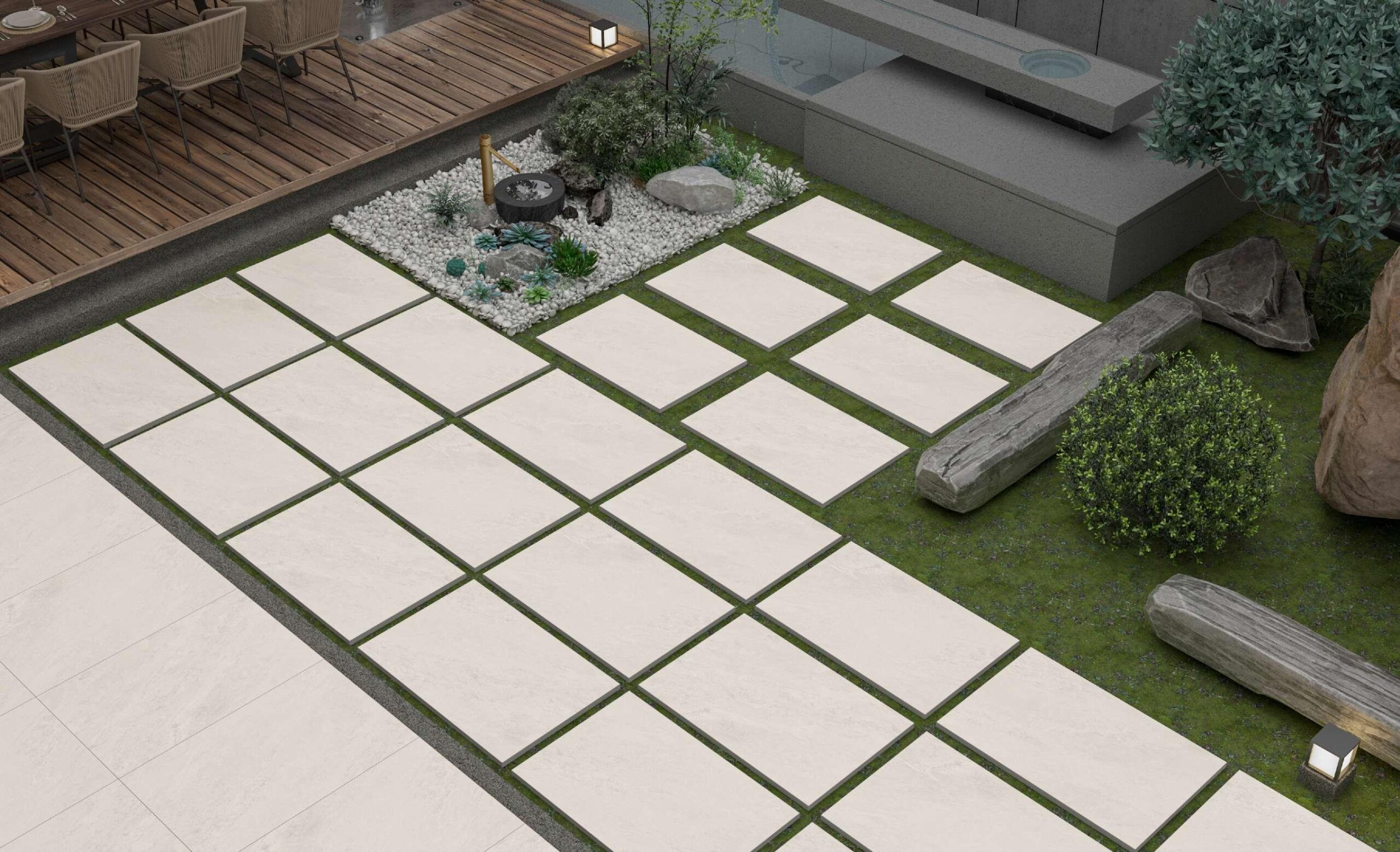
Choosing the right material for your patio can feel like a high-stakes decision. You want something that looks like a luxury resort but behaves like a heavy-duty driveway. Enter Porcelain Paving—the modern gold standard for outdoor living.
1. The “Why” (The Hook)
What is Porcelain Paving? Think of Porcelain Paving as the refined, much stronger sibling of the tiles in your bathroom. It is crafted from highly refined clay and sand, then kiln-fired at staggering temperatures (often exceeding 1,200°C). This process, known as vitrification, creates a tile that is incredibly dense, nearly non-porous, and tough as nails.
The Modern Makeover: Why Porcelain is Outperforming Natural Stone While sandstone and limestone have a classic charm, they are essentially sponges; they soak up water, oil, and grime. Porcelain Paving offers a “modern makeover” by providing the same organic look without the structural vulnerabilities. It doesn’t delaminate (flake) like slate or fade like concrete, making it the smarter evolutionary choice for 21st-century gardens.
Style Meets Substance: The Aesthetic Appeal of Porcelain Paving You no longer have to choose between a “tough” garden and a “pretty” one. Because it is digitally printed before firing, Porcelain Paving can mimic almost any texture with hyper-realistic detail. You get the high-end look of expensive stone with the precision of modern engineering.
2. Practical Benefits (The Meat)
Built to Last: Understanding the Durability of Porcelain Don’t let the word “porcelain” fool you—this isn’t a delicate teacup. These slabs are usually 20mm thick and designed to withstand heavy foot traffic, patio furniture, and even the occasional dropped BBQ tool. Its density makes it scratch-resistant and capable of bearing significant weight without cracking.
Low Maintenance, High Reward: Why You’ll Never Need to Scrub Your Patio Again If you hate spending your weekends with a pressure washer, Porcelain Paving is your best friend. Since it has an absorption rate of almost zero, moss, algae, and mold can’t take root inside the stone. A simple bucket of soapy water and a quick rinse is usually all it takes to keep it looking brand new.
Slip-Resistance and Safety: A Top Choice for Families and Pool Sides Safety is a non-negotiable for outdoor spaces. Most Porcelain Paving is manufactured with an R11 anti-slip rating. This means the surface has a fine, grit-like texture that provides excellent grip even when soaking wet, making it the ideal candidate for pool surrounds and households with energetic kids or pets.
Weather-Proof Beauty: How Porcelain Paving Handles Frost, Rain, and UV Rays Natural stone often suffers in extreme weather; water gets into the pores, freezes, expands, and cracks the stone. Porcelain Paving is frost-proof because it doesn’t absorb water. Furthermore, it is UV-resistant, meaning those deep greys or warm beiges won’t bleach or fade under the summer sun.
3. Design & Aesthetics
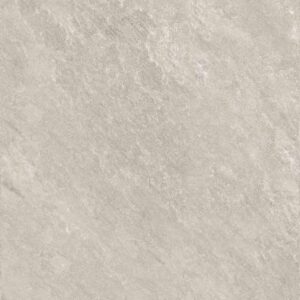
Endless Design Possibilities: From Italian Slate to Warm Wood Effects The versatility of Porcelain Paving is unmatched. Whether you want the rugged, textured look of Italian slate, the clean lines of minimalist concrete, or the cozy aesthetic of driftwood without the rot, there is a porcelain tile that fits the vibe perfectly.
Creating a Seamless Flow: Using Porcelain for Indoor-Outdoor Living One of the biggest trends in home design is “blurring the lines.” Many manufacturers offer matching indoor (10mm) and outdoor (20mm) versions of the same tile. This allows you to run your flooring from your kitchen straight through your bi-fold doors onto the patio, creating a massive, cohesive living space.
Color Palettes: Choosing the Right Shade for Your Garden’s Personality
- Anthracite and Grey: Perfect for sleek, contemporary, and architectural gardens.
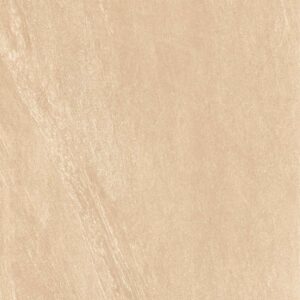
- Beige and Cream: Ideal for Mediterranean-style spaces that stay cool underfoot.
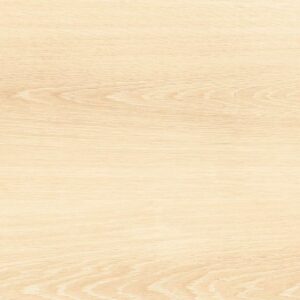
- Wood Grains: Best for adding warmth to “wilder,” plant-heavy gardens.
4. Technical & Installation
Porcelain vs. Sandstone: Which One is Right for Your Budget? Upfront, Porcelain Paving is often slightly more expensive than budget sandstone. However, when you factor in the cost of sealants, specialized cleaners, and the eventual replacement of weathered stone, porcelain often ends up being the more cost-effective choice over a 10-year period.
Installation Essentials: Why a Solid Base is Non-Negotiable You can’t just “spot-bond” porcelain (putting dabs of mortar on the corners). Because it is so dense, it requires a full bed of mortar and a priming slurry applied to the back of the tile to ensure it bonds to the base. A solid, level foundation is the secret to a patio that never shifts or cracks.
To Seal or Not to Seal? The Truth About Porcelain Maintenance Here is the best news: Porcelain Paving generally does not require sealing. Unlike natural stone, which needs a fresh coat of sealant every year or two to prevent staining, porcelain’s surface is naturally sealed during the firing process.
5. The Verdict
Is it Worth the Investment? Calculating the Long-Term Value of Porcelain Paving While the initial layout might be higher, the value lies in the “set it and forget it” lifestyle. You save money on chemicals, professional cleaning, and repairs. It’s an investment in your property value and, more importantly, your free time.
Final Thoughts: Transforming Your Outdoor Space into a Luxury Retreat If you want a patio that looks as good in ten years as it does on the day it’s laid, Porcelain Paving is the undisputed champion. It bridges the gap between rugged durability and high-end interior design, turning a simple backyard into a true luxury retreat.