Category: Porcelain Tiles

Ultimate Guide to Porcelain Paving: Why It’s Your Top Outdoor Flooring Choice

Porcelain Paving

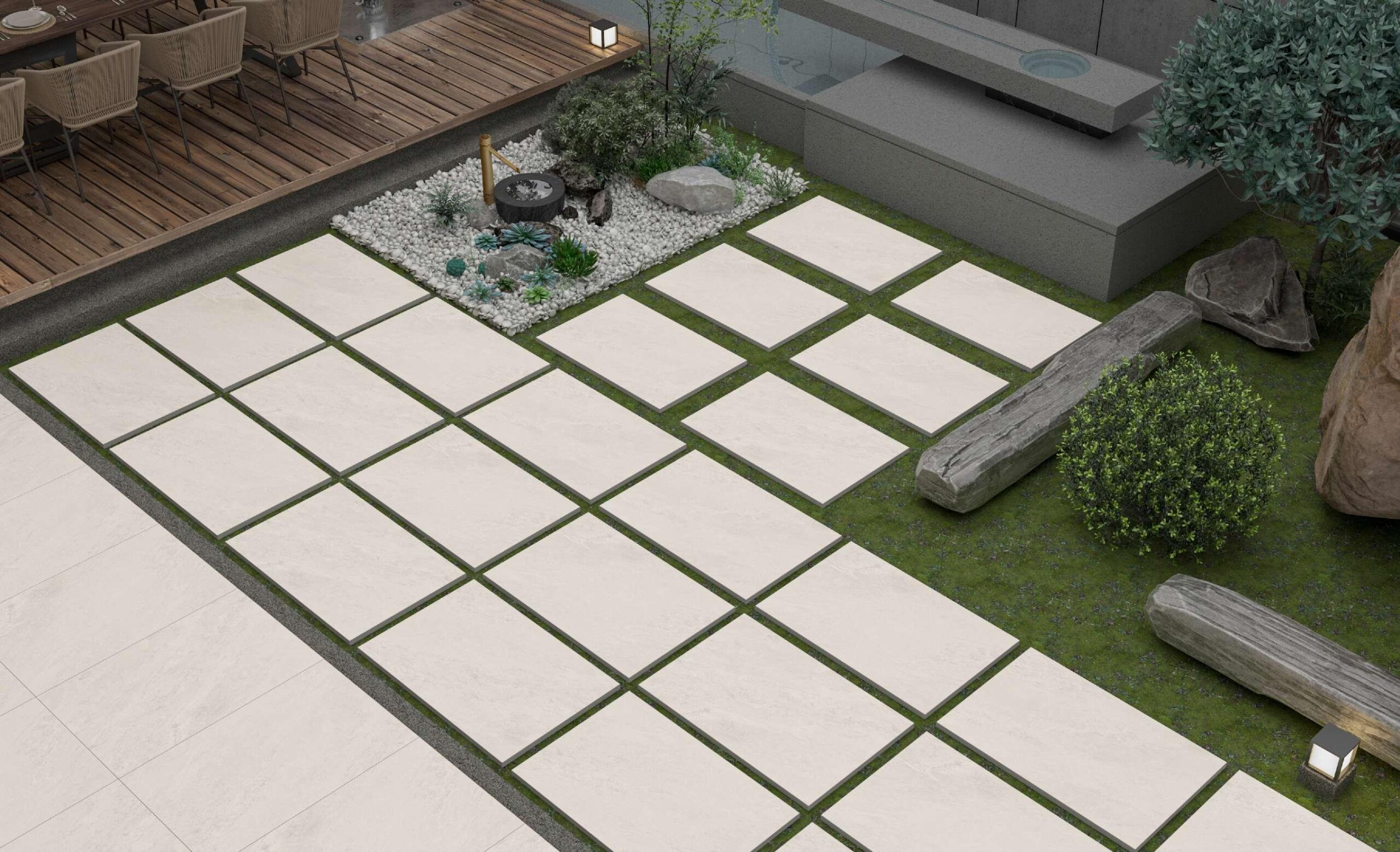
Choosing the right material for your patio can feel like a high-stakes decision. You want something that looks like a luxury resort but behaves like a heavy-duty driveway. Enter Porcelain Paving—the modern gold standard for outdoor living.

1. The “Why” (The Hook)

What is Porcelain Paving? Think of Porcelain Paving as the refined, much stronger sibling of the tiles in your bathroom. It is crafted from highly refined clay and sand, then kiln-fired at staggering temperatures (often exceeding 1,200°C). This process, known as vitrification, creates a tile that is incredibly dense, nearly non-porous, and tough as nails.

The Modern Makeover: Why Porcelain is Outperforming Natural Stone While sandstone and limestone have a classic charm, they are essentially sponges; they soak up water, oil, and grime. Porcelain Paving offers a “modern makeover” by providing the same organic look without the structural vulnerabilities. It doesn’t delaminate (flake) like slate or fade like concrete, making it the smarter evolutionary choice for 21st-century gardens.

Style Meets Substance: The Aesthetic Appeal of Porcelain Paving You no longer have to choose between a “tough” garden and a “pretty” one. Because it is digitally printed before firing, Porcelain Paving can mimic almost any texture with hyper-realistic detail. You get the high-end look of expensive stone with the precision of modern engineering.

2. Practical Benefits (The Meat)

Built to Last: Understanding the Durability of Porcelain Don’t let the word “porcelain” fool you—this isn’t a delicate teacup. These slabs are usually 20mm thick and designed to withstand heavy foot traffic, patio furniture, and even the occasional dropped BBQ tool. Its density makes it scratch-resistant and capable of bearing significant weight without cracking.

Low Maintenance, High Reward: Why You’ll Never Need to Scrub Your Patio Again If you hate spending your weekends with a pressure washer, Porcelain Paving is your best friend. Since it has an absorption rate of almost zero, moss, algae, and mold can’t take root inside the stone. A simple bucket of soapy water and a quick rinse is usually all it takes to keep it looking brand new.

Slip-Resistance and Safety: A Top Choice for Families and Pool Sides Safety is a non-negotiable for outdoor spaces. Most Porcelain Paving is manufactured with an R11 anti-slip rating. This means the surface has a fine, grit-like texture that provides excellent grip even when soaking wet, making it the ideal candidate for pool surrounds and households with energetic kids or pets.

Weather-Proof Beauty: How Porcelain Paving Handles Frost, Rain, and UV Rays Natural stone often suffers in extreme weather; water gets into the pores, freezes, expands, and cracks the stone. Porcelain Paving is frost-proof because it doesn’t absorb water. Furthermore, it is UV-resistant, meaning those deep greys or warm beiges won’t bleach or fade under the summer sun.

3. Design & Aesthetics

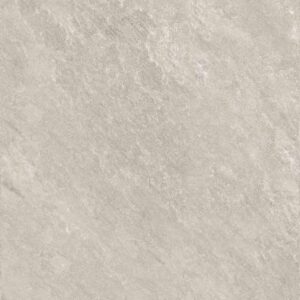
Endless Design Possibilities: From Italian Slate to Warm Wood Effects The versatility of Porcelain Paving is unmatched. Whether you want the rugged, textured look of Italian slate, the clean lines of minimalist concrete, or the cozy aesthetic of driftwood without the rot, there is a porcelain tile that fits the vibe perfectly.

Creating a Seamless Flow: Using Porcelain for Indoor-Outdoor Living One of the biggest trends in home design is “blurring the lines.” Many manufacturers offer matching indoor (10mm) and outdoor (20mm) versions of the same tile. This allows you to run your flooring from your kitchen straight through your bi-fold doors onto the patio, creating a massive, cohesive living space.

Color Palettes: Choosing the Right Shade for Your Garden’s Personality

  • Anthracite and Grey: Perfect for sleek, contemporary, and architectural gardens.
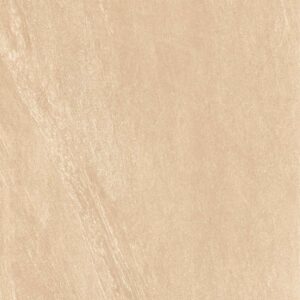
  • Beige and Cream: Ideal for Mediterranean-style spaces that stay cool underfoot.
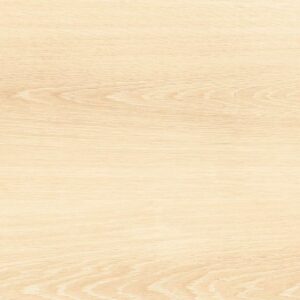
  • Wood Grains: Best for adding warmth to “wilder,” plant-heavy gardens.
4. Technical & Installation

Porcelain vs. Sandstone: Which One is Right for Your Budget? Upfront, Porcelain Paving is often slightly more expensive than budget sandstone. However, when you factor in the cost of sealants, specialized cleaners, and the eventual replacement of weathered stone, porcelain often ends up being the more cost-effective choice over a 10-year period.

Installation Essentials: Why a Solid Base is Non-Negotiable You can’t just “spot-bond” porcelain (putting dabs of mortar on the corners). Because it is so dense, it requires a full bed of mortar and a priming slurry applied to the back of the tile to ensure it bonds to the base. A solid, level foundation is the secret to a patio that never shifts or cracks.

To Seal or Not to Seal? The Truth About Porcelain Maintenance Here is the best news: Porcelain Paving generally does not require sealing. Unlike natural stone, which needs a fresh coat of sealant every year or two to prevent staining, porcelain’s surface is naturally sealed during the firing process.

5. The Verdict

Is it Worth the Investment? Calculating the Long-Term Value of Porcelain Paving While the initial layout might be higher, the value lies in the “set it and forget it” lifestyle. You save money on chemicals, professional cleaning, and repairs. It’s an investment in your property value and, more importantly, your free time.

Final Thoughts: Transforming Your Outdoor Space into a Luxury Retreat If you want a patio that looks as good in ten years as it does on the day it’s laid, Porcelain Paving is the undisputed champion. It bridges the gap between rugged durability and high-end interior design, turning a simple backyard into a true luxury retreat.

An Introduction to Sintered Stone: What Main Point You Need to Know

Sintered-Stone

The Surface of the Future: Why Sintered Stone is Winning the Countertop War

If you’ve been scrolling through interior design feeds lately, you’ve likely seen a material that looks like marble, acts like armor, and sounds like something out of a sci-fi novel: Sintered Stone.

While it’s often confused with quartz or porcelain, sintered stone is a different beast entirely. It isn’t just a slab of rock; it’s a feat of engineering. If you’re considering it for your kitchen, bathroom, or even outdoor patio, here is the “Main Point” you need to understand to decide if it’s right for you.

🧱 What Exactly is Sintered Stone?

To understand sintered stone, you have to think about how nature creates metamorphic rock over millions of years. Now, imagine a factory doing that in a single afternoon.

The process, known as sintering, involves:

  • Mineral Composition: A blend of glass, porcelain, and quartz minerals.
  • Extreme Pressure: Compressed using a massive press (often up to 400 bars).
  • Extreme Heat: Fired in a kiln at temperatures exceeding 1200°C.

The result? A stone that is incredibly dense, non-porous, and virtually indestructible.

🔑 The Main Point: It’s “Life-Proof”

If there is one thing you need to know, it’s this: Sintered stone is arguably the most durable surface on the market. Unlike its competitors, it doesn’t have a “weakness” profile.

Sintered Stone vs. The Competition

Feature Sintered Stone Quartz Natural Marble
Heat Resistance Immune (Hot pans? No problem) Can melt/scorch Can crack/discolor
Porosity 0% (Won’t stain) ~0.05% (Very low) High (Requires sealing)
UV Resistance Excellent (Outdoor safe) Poor (Will yellow) Good
Scratch Proof Nearly Impossible Moderate Very Easy

💡 Why It’s a Game Changer for Homeowners

The real magic of sintered stone isn’t just that it’s tough; it’s versatile. Because it is so strong, it can be manufactured in incredibly thin slabs (as thin as 3mm). This means:

  1. Seamless Integration: You can use it for flooring, wall cladding, and countertops for a monolithic “total look.”
  2. Outdoor Kitchens: Since it isn’t affected by UV rays or frost, it’s the king of the patio.
  3. Eco-Friendly: Most brands use 100% natural minerals and are fully recyclable.

⚠️ The One Caveat

Because the material is so hard, it requires specialized fabrication. You can’t just hire any handyman to cut it; you need a professional with specific diamond-bladed tools. It’s an investment in both material and expert installation.

The Verdict

If you want a surface that looks like high-end Italian marble but allows you to chop veggies directly on the counter and set down a boiling pot of pasta without a second thought, sintered stone is your winner.

Would you like me to compare specific sintered stone brands like Dekton, Neolith, or Lapitec for you?

Inquiry Now

Technical guidance on porcelain tile and different between ceramic tile & porcelain tile

ALESSIA BIANCO_VIEW

1. The Core Difference: The “Baked-In” Truth

The primary difference lies in the density of the clay and the firing temperature.

  • Ceramic Tile: Made from red, brown, or white clay and fired at lower temperatures. It is more porous and easier to cut.
  • Porcelain Tile: A subset of ceramic, but made from highly refined white kaolin clay and fired at extreme temperatures (up to 1,200°C). This process makes it nearly impervious to water.

Comparison at a Glance

Feature Ceramic Tile Porcelain Tile
Water Absorption Higher (> 0.5%) Minimal (< 0.5%)
Durability Moderate Extremely High
Ease of Cutting Simple (Snap cutter) Difficult (Wet saw required)
Best For Indoor Walls/Light Traffic Outdoor, Wet Areas, High Traffic
Cost Budget-friendly Premium

2. Technical Guidance for Porcelain Installation

Porcelain is a “diva” material—it performs beautifully, but it’s demanding during the installation phase.

Substrate Preparation

Because porcelain is rigid, any flex in your subfloor will cause the tile to crack.

  • Deflection: Ensure your floor meets the L/360 standard (minimal bounce).
  • Anti-Fracture Membranes: Always use an uncoupling membrane (like Schluter-DITRA) over wood subfloors to prevent lateral movement from reaching the tile.

Cutting and Drilling

Forget the manual “score and snap” tools for thick porcelain.

  1. Wet Saws: Use a continuous rim diamond blade specifically rated for porcelain.
  2. Diamond Hole Saws: If you need to install a shower head or faucet through the tile, use diamond-tipped bits and keep them wet to prevent overheating.

Adhesive Choice

Standard mastic won’t cut it. Porcelain is non-porous, meaning the adhesive can’t “soak in” to create a bond.

  • Requirement: Use a Polymer-Modified Thinset. The polymers create a chemical bond with the dense porcelain surface that standard mortar cannot achieve.

3. The “PEI” Rating: Don’t Skip This!

The Porcelain Enamel Institute (PEI) rating tells you where the tile can actually live.

  • PEI 1-2: Best for bathrooms or bedrooms (light foot traffic).
  • PEI 3: Great for general residential use (kitchens, hallways).
  • PEI 4-5: The “tank” of tiles. Use these for commercial spaces or heavy-duty outdoor patios.

4. Maintenance & Longevity

  • Sealing: Glazed porcelain never needs sealing. However, unpolished/matte porcelain may benefit from a penetrative sealer to prevent staining in the microscopic pores.
  • Grout: Always use a high-quality, stain-resistant grout. Since porcelain lasts decades, you don’t want the grout to be the “weak link” that looks dirty after six months.

Pro Tip: If the tile color goes all the way through the body (Through-Body Porcelain), chips are almost invisible. If it’s just a printed glaze on top, a chip will reveal a different colored core.

Would you like me to draft a specific “Buyer’s Checklist” or a step-by-step grouting guide to go along with this blog post?

Inquiry Now

    Get a Free Quote

    Expert consultation within 24 hours.

    Inquiry Type