Tag: bathroom tile

Indian Porcelain Tiles vs Italian Porcelain Tiles: The Real Difference in Quality, Price & Design

Indian Porcelain Tiles vs Italian Porcelain Tiles: The Real Difference in Quality, Price & Design

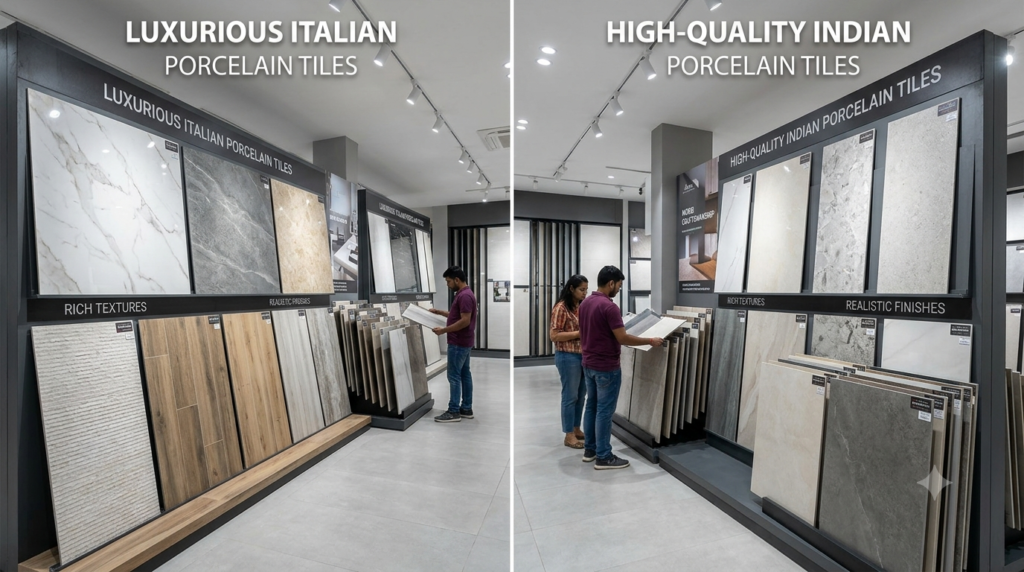
When you walk into a luxury showroom or plan a high-end architectural renovation, one question pops up constantly: Should you go with world-renowned Italian craftsmanship or the rapidly evolving, cost-effective Indian manufacturing powerhouse?

Choosing the right flooring or wall cladding is a long-term investment. While Italian porcelain tiles have historically set the benchmark for interior design worldwide, top-tier Indian manufacturers—such as Pollux Porcelano—have bridged the technology gap significantly in recent years. In this comprehensive guide, we will unpack the real differences in quality, price, aesthetics, manufacturing standards, and practical application so you can make the perfect choice for your space.

Indian Porcelain Tiles vs Italian Porcelain Tiles: What Is the Real Difference?

At first glance, both Indian and Italian porcelain tiles might look virtually identical when laid out in a modern living room or commercial lobby. However, the fundamental difference comes down to history, heritage, design philosophy, and raw material access.

  • Italian Porcelain Tiles: Italy is widely considered the cradle of modern ceramic and vitrified design. Italian manufacturers focus heavily on design innovation, subtle color gradations, exclusive natural stone replication, and ultra-high-end aesthetics. They cater primarily to luxury residential projects, flagship retail spaces, and high-end boutique developments.

  • Indian Porcelain Tiles: India, particularly ceramic hubs like Morbi, has rapidly grown into one of the largest tile manufacturing and exporting forces on the globe. Brands like Pollux Porcelano combine state-of-the-art Italian machinery with local manufacturing efficiencies. The result is high-performing, stylish porcelain tiles produced at a fraction of the European production cost.

The core distinction isn’t necessarily about performance anymore—it’s about heritage and cost structure versus value engineering and mass customization.

Italian Porcelain Tiles vs Indian Porcelain Tiles: Comparing Quality & Durability

When it comes to strength, density, and longevity, both regions adhere to strict ISO standards, but nuances exist in raw material selection and quality control.

Feature Italian Porcelain Tiles Indian Porcelain Tiles (e.g., Pollux Porcelano)
Water Absorption Rate Extremely low (< 0.05% to 0.1%) Extremely low (< 0.05% to 0.1%)
Breaking Strength & Hardness High Mohs hardness scale rating (7–8) High Mohs hardness scale rating (7–8)
Raw Material Purity Sourced from refined European clay, feldspar, & quartz High-grade local and imported clays & minerals
Quality Control Consistency Strict EU standard batch-to-batch variation checks Advanced automated sorting by brands like Pollux Porcelano

Both tile types are non-porous, frost-resistant, stain-resistant, and suitable for high-foot-traffic areas. Italian porcelain tiles often feature slightly more stringent tolerances on dimensional calibration and planarity out of the box. However, premium Indian lines from Pollux Porcelano utilize imported Italian press technologies that offer equal mechanical strength, making them equally capable of enduring heavy wear and tear over decades.

How Do Italian Porcelain Tiles Differ in Design, Finish & Appearance?

Design is where the contrast becomes most noticeable to the trained eye.
1. HD Digital Printing & Texture Depth

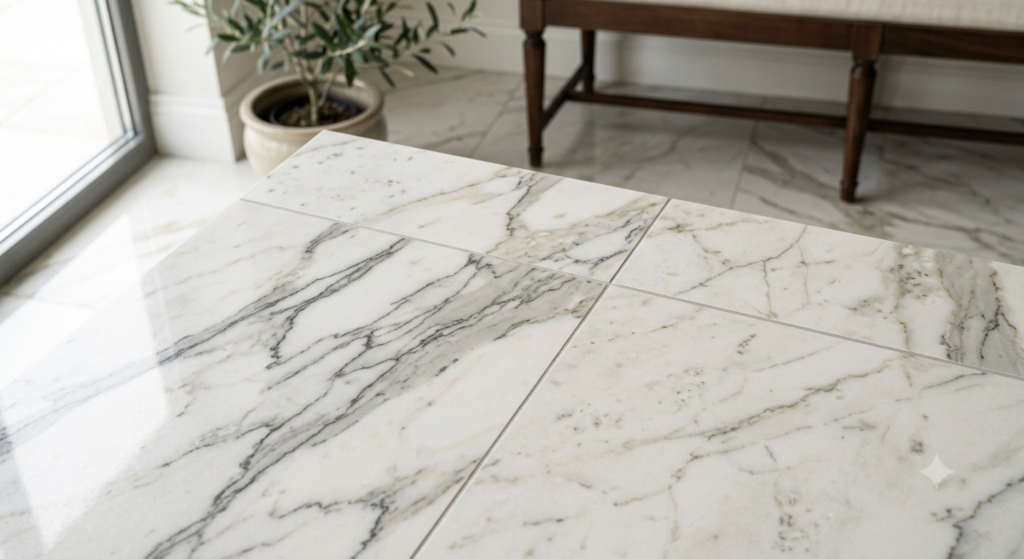
Italian designers excel at creating intricate, non-repetitive face patterns. When you view Italian porcelain tiles designed to look like Calacatta marble or rustic oak, you might see up to 30 or 40 unique tile faces before a pattern repeats. The veining depth, micro-relief textures, and subtle gloss variations are deeply layered.

2. Surface Finishes

While Indian manufacturers offer popular polished, glossy, matte, and carving finishes, Italian brands lead in specialized tactile finishes—such as velvet-soft matte, satin touch, and ultra-realistic reactive glazes.

3. The Indian Design Evolution

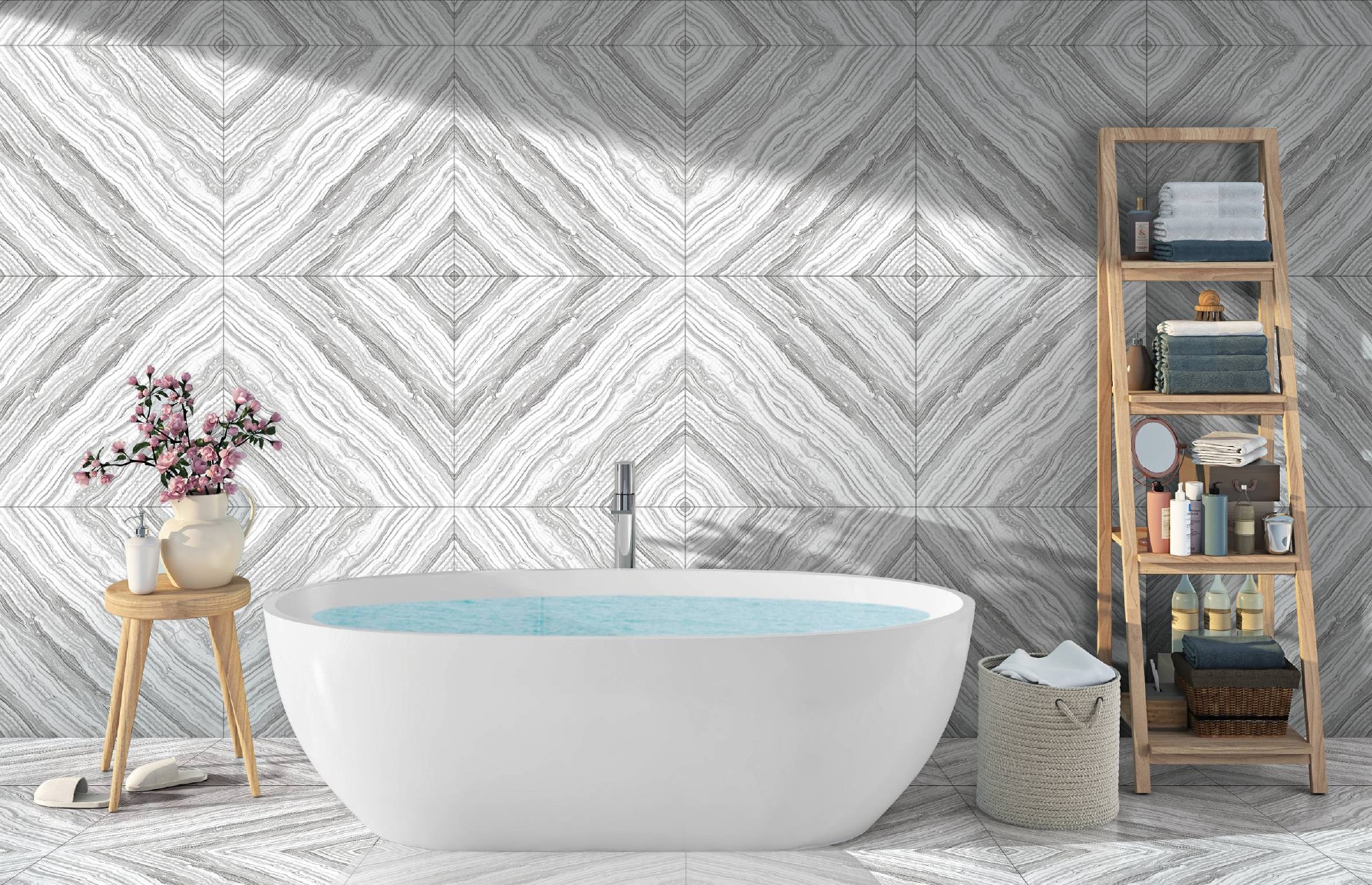
That being said, Indian brands like Pollux Porcelano have made massive strides. By collaborating with international color houses and utilizing 3D digital inkjet printing, Pollux Porcelano delivers stunning book-matched marble looks, metallic glazes, and modern geometric textures that closely match European aesthetic trends without the premium designer markups.

Italian Porcelain Tiles vs Indian Tiles: Understanding the Price Difference

The price tag is often the decisive factor for home builders, contractors, and architects.

[ Average Cost Per Sq. Mtr. Comparison ]

Italian Porcelain Tiles : $$$$$ ($6.00 – $25.00+ / Sq. Mtr.)
————————————————————
Indian Porcelain Tiles : $$ ($3.00 – $7.00 / Sq. Mtr.)

Why Are Italian Porcelain Tiles So Expensive?

  1. Import Tariffs & Freight: International shipping, import duties, logistics, and localized distributor markups significantly inflate the final price.

  2. R&D and Branding: Decades of global brand marketing and continuous investments in proprietary design patents add to the overhead.

  3. EU Manufacturing Costs: Higher energy, labor, and compliance costs in Europe naturally elevate production expenses.

Why Do Indian Porcelain Tiles Offer Superior Value?

Indian manufacturers benefit from competitive domestic production costs, localized raw material sourcing, and massive economies of scale. When you purchase from an established brand like Pollux Porcelano, you are paying directly for material quality and technology rather than heavy import tariffs or transit overheads.

Manufacturing Process: How Italian and Indian Porcelain Tiles Are Made

Understanding the factory floor helps clarify why both options deliver exceptional technical specs.
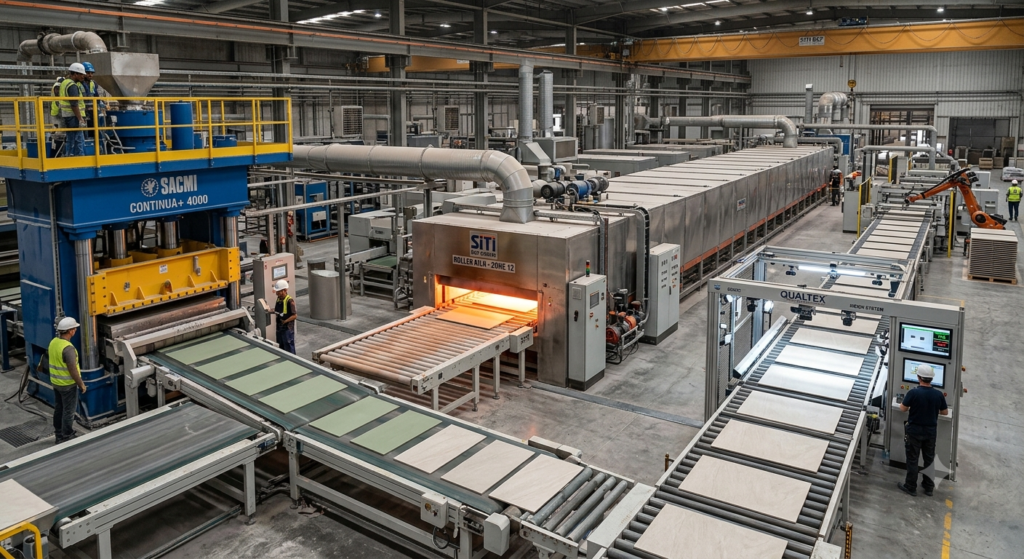
  1. Body Preparation: Premium clays, quartz, and feldspar are finely ground into a liquid slurry, spray-dried into a fine powder, and stored in silos.

  2. High-Tonnage Pressing: Modern continuous belt presses or SACMI hydraulic presses (commonly imported by leading Indian manufacturers like Pollux Porcelano) compress the body powder under tremendous pressure (exceeding 4000+ tons).

  3. Digital Glazing & Decorating: High-definition inkjet printers apply rich pigment designs and textures onto the un-fired tile body.

  4. Kiln Firing: The tiles enter long roller kilns, reaching temperatures between 1,200°C and 1,250°C. This vitrification process fuses the raw minerals into a dense, non-porous glass-like body.

  5. Rectification & Polishing: Nano-polishing machines trim edges precisely so tiles can be laid with minimal grout lines (1.5mm–2mm).

Because companies like Pollux Porcelano utilize the same SACMI and System Italy machinery as European facilities, the physical manufacturing steps are essentially equivalent.

Which Is Better for Your Project? Italian Porcelain Tiles or Indian Porcelain Tiles

Selecting between the two depends heavily on your budget, project scope, and design priorities.
Choose Italian Porcelain Tiles If:

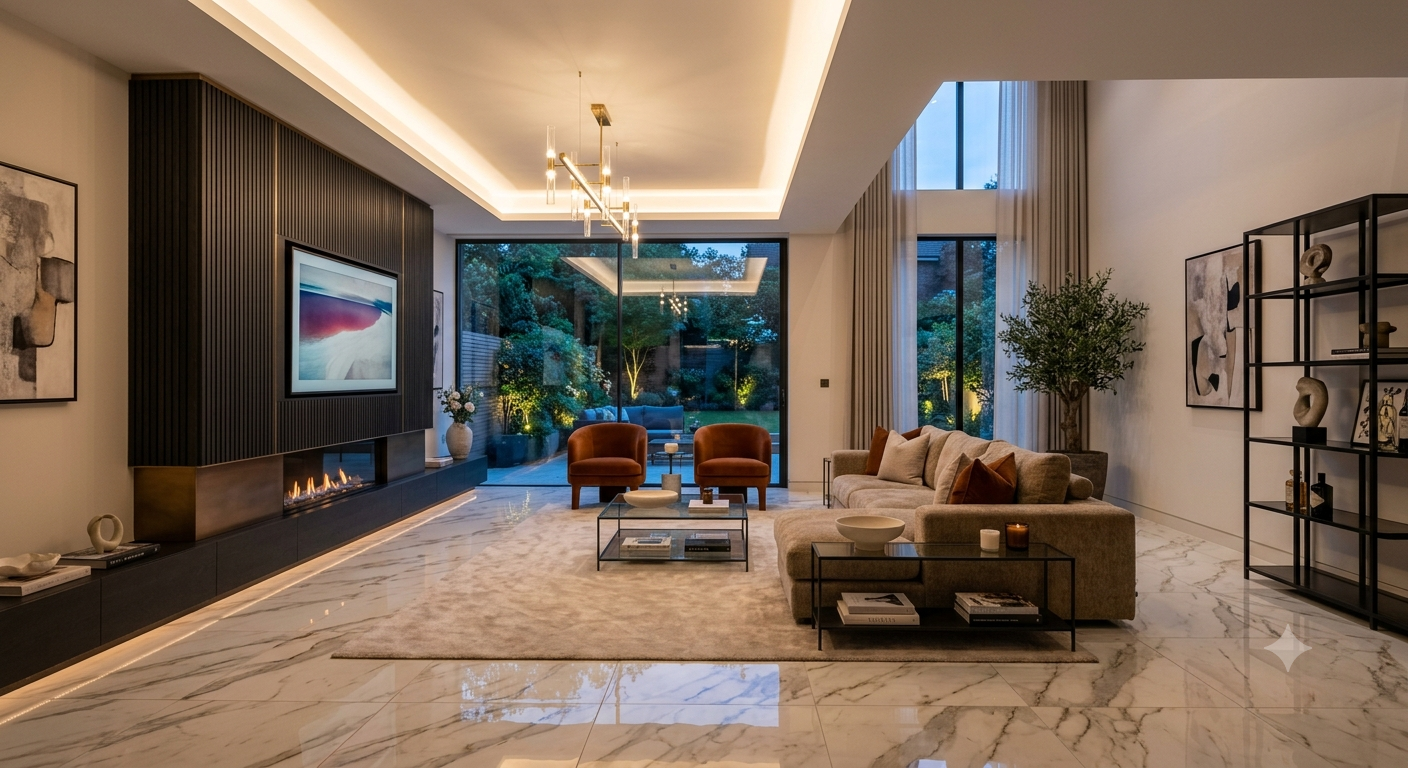
  • You are working on an unrestricted luxury budget (ultra-high-end villas, luxury hotels, high-end retail flagships).

  • You require rare, highly specialized finishes or specific exclusive European designer collections.

  • Brand prestige and European heritage are primary requirements for your architectural specs.

Choose Indian Porcelain Tiles (Pollux Porcelano) If:

  • You want high durability, low porosity, and premium aesthetics while keeping project budgets optimized.

  • You need quick delivery times, large stock availability, and flexible order volumes for medium to large-scale developments.

  • You prefer value-driven luxury—getting the look of premium natural stone and Italian porcelain tiles at a sensible price point from Pollux Porcelano.

Italian Porcelain Tiles vs Indian Porcelain Tiles: A Complete Buyer’s Guide

To sum it up, here is a quick checklist to guide your purchasing decision:

  1. Set Your Budget Early: Calculate total square footage including 10% wastage. If freight costs and import taxes drive the price beyond your comfort zone, pivot to high-end Indian tiles.

  2. Verify Technical Specifications: Check PEI abrasion resistance ratings, anti-slip co-efficient (R-ratings for outdoor/wet spaces), and water absorption certificates regardless of origin.

  3. Inspect Sample Batches: Always request full-size physical samples. Observe how light reflects off the finish and check tile edge straightness (rectification).

  4. Partner with Trusted Brands: Opt for reputable manufacturers. Pollux Porcelano provides extensive catalog selections, rigorous quality testing, and consistent batch coloring, ensuring your installation remains seamless from start to finish.

Both choices bring unique strengths to the table. While Italian porcelain tiles remain the classic benchmark for luxury design heritage, forward-thinking manufacturers like Pollux Porcelano prove that high-quality, durable, and breathtakingly stylish porcelain flooring is accessible across modern architecture worldwide.
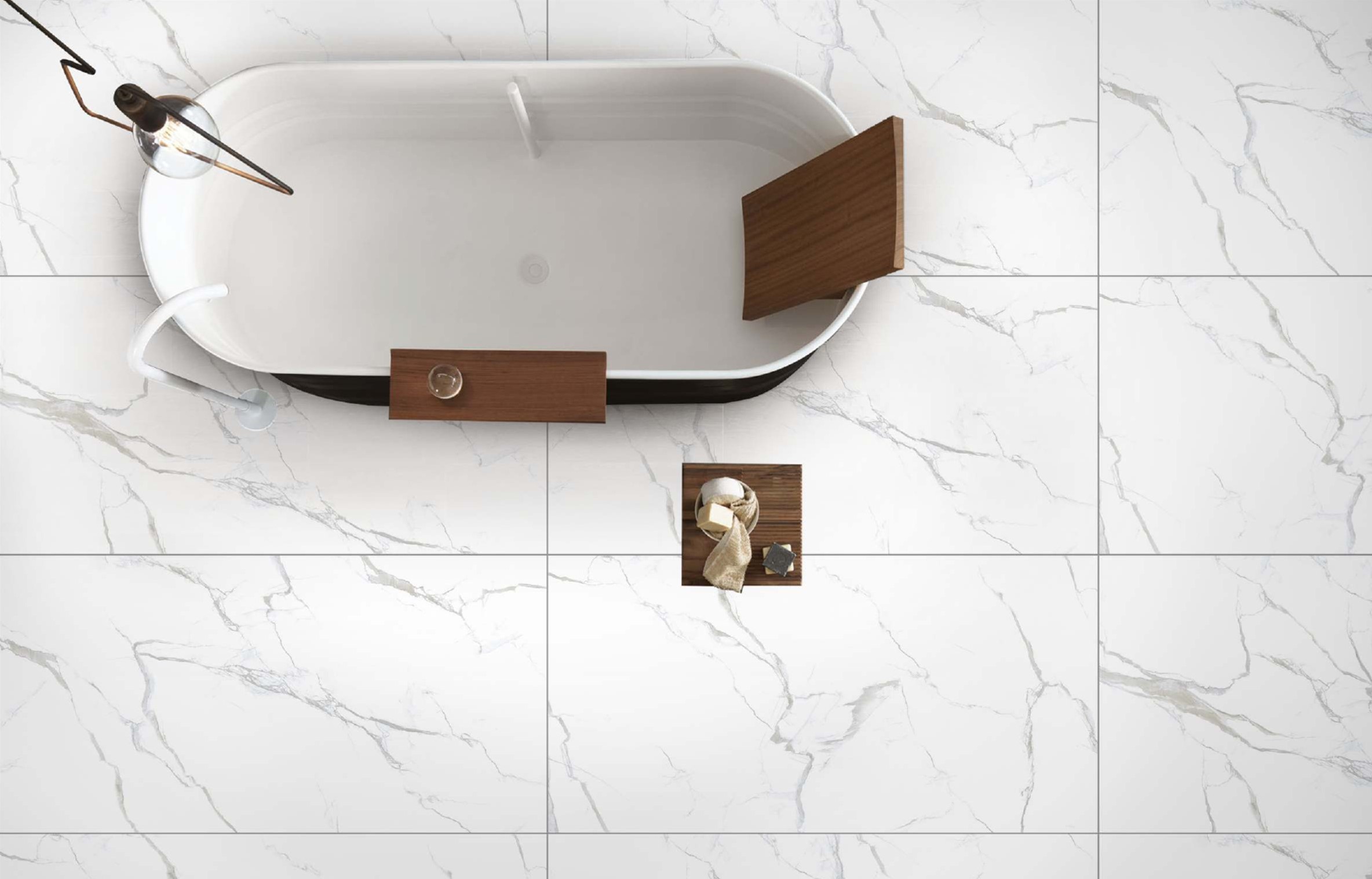
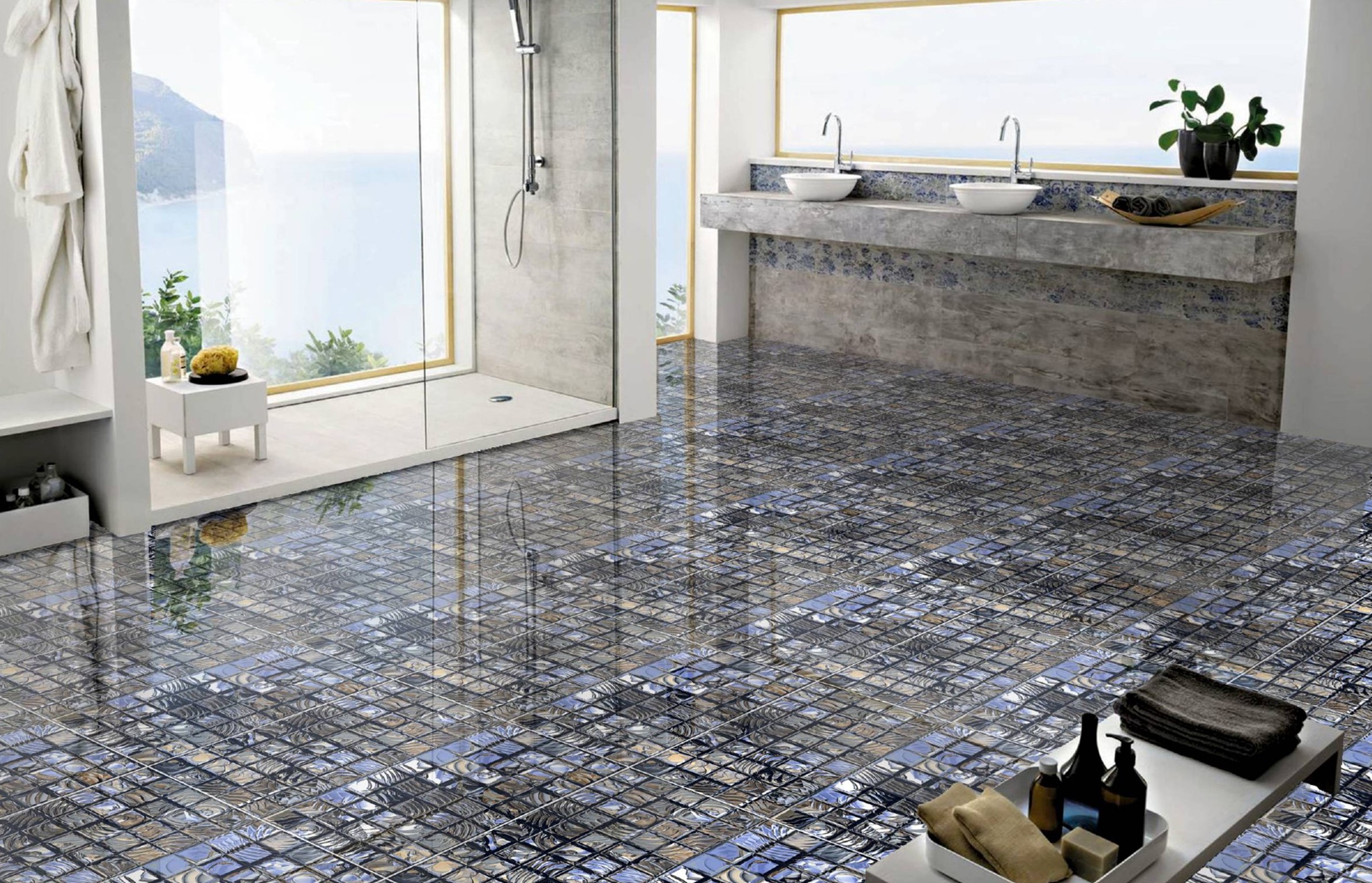
Bathroom Tile: Transform Your Space with Style and Function

Introduction

Imagine stepping into a bathroom where the tiles are a mismatched mishmash of colors, sizes, and textures, creating a chaotic visual cacophony. Now, picture yourself in another bathroom where the tiles are carefully selected, perfectly aligned, and harmoniously complementing the overall design. Which one would you prefer?

Here’s an intriguing statistic: According to a study conducted by the National Association of Home Builders, bathroom renovations consistently rank among the top interior remodeling projects undertaken by homeowners. And at the heart of these renovations lies a crucial element: the humble bathroom tile.

The Evolution of Bathroom Tiles

Ancient Civilizations

  1. Mesopotamia (c. 3000 BCE)
    • Materials: Early tiles were made of clay and were used mainly for decorative purposes.
    • Technique: Tiles were hand-shaped and sun-dried or fired in kilns.
  2. Ancient Egypt (c. 2000 BCE)
    • Materials: Glazed bricks and faience, a type of glazed ceramic.
    • Technique: Egyptians used tiles in both functional and decorative contexts, often in temples and royal palaces.
  3. Minoan Civilization (c. 2000-1500 BCE)
    • Materials: Stone and ceramic tiles.
    • Technique: Intricate patterns and motifs, including marine life and religious symbols, were common. The Palace of Knossos is a prime example.
  4. Ancient Greece (c. 800-300 BCE)
    • Materials: Terracotta tiles.
    • Technique: Greeks advanced tile-making techniques, using them in baths and on roofs.
  5. Ancient Rome (c. 500 BCE-500 CE)
    • Materials: Terracotta, marble, and mosaic tiles.
    • Technique: Romans extensively used tiles in their sophisticated public bath systems (thermae) and private homes. Mosaics with intricate designs were popular.

Middle Ages

  1. Islamic Golden Age (8th-14th centuries)
    • Materials: Glazed ceramic tiles.
    • Technique: Islamic artisans perfected tile glazing techniques, creating intricate geometric and floral patterns. The use of tiles in bathhouses (hammams) was common.
  2. Medieval Europe (5th-15th centuries)
    • Materials: Limited use of tiles, mostly stone and unglazed terracotta.
    • Technique: Tiles were less common in Europe during this period, with stone and wood being predominant in constructions.

Renaissance to 19th Century

  1. Renaissance (14th-17th centuries)
    • Materials: Encaustic tiles (clay tiles with inlaid designs).
    • Technique: Revival of tile usage in Europe, with intricate, colorful designs becoming popular in churches and palaces.
  2. Industrial Revolution (18th-19th centuries)
    • Materials: Mass-produced ceramic tiles.
    • Technique: Advances in manufacturing allowed for the mass production of tiles. Victorian England saw the extensive use of decorative tiles in public baths and private bathrooms.

20th Century to Present

  1. Early 20th Century
    • Materials: Ceramic and porcelain bathroom tiles.
    • Technique: Art Deco and Art Nouveau movements influenced tile designs with bold patterns and colors. The introduction of subway tiles became a staple in bathrooms.
  2. Mid-20th Century
    • Materials: Ceramic, porcelain, and glass tiles.
    • Technique: Post-war modernism led to simpler, more functional designs. Innovations included the development of thin, large-format tiles.
  3. Late 20th Century
    • Materials: Ceramic, porcelain, glass, and stone tiles.
    • Technique: The popularity of DIY home improvement increased the variety and accessibility of tiles. Advances in printing technology allowed for realistic imitations of natural materials like wood and stone.
  4. 21st Century
    • Materials: Advanced ceramics, porcelain, glass, metal, and composite materials.
    • Technique: Digital printing technology has revolutionized tile designs, allowing for highly detailed and customizable patterns. Sustainability has become a focus, with eco-friendly materials and production methods. Innovations like self-cleaning and anti-bacterial tiles have emerged.

Types of Bathroom Tiles

1. Ceramic bathroom Tiles

Description: Made from a mixture of clay, water, and minerals, ceramic tiles are kiln-fired to create a durable surface.

Pros:

  • Cost-effective: Generally more affordable than other tile types.
  • Variety: Available in numerous colors, patterns, shapes, and sizes.
  • Easy to Cut and Install: Suitable for DIY projects.

Cons:

  • Durability: Less durable than porcelain, prone to chipping and cracking.
  • Porosity: Higher water absorption rate, making them less suitable for very wet areas unless properly sealed.

2. Porcelain bathroom Tiles

Description: A type of ceramic tile, porcelain is made from denser clay and fired at higher temperatures, resulting in a more durable and water-resistant tile.

Pros:

  • Durability: Highly resistant to wear, chipping, and scratching.
  • Water Resistance: Extremely low water absorption rate, ideal for wet areas.
  • Variety: Available in many styles, including those mimicking natural stone or wood.

Cons:

  • Cost: Generally more expensive than standard ceramic tiles.
  • Installation: More challenging to cut and install due to its density.

3. Glass bathroom Tiles

Description: Made from thin pieces of glass, often backed with colored materials to add vibrancy and depth.

Pros:

  • Aesthetic Appeal: Offers a modern, sleek look with a reflective surface that can make small spaces appear larger.
  • Waterproof: Impervious to water, making them ideal for shower walls and backsplashes.
  • Easy to Clean: Non-porous surface resists stains and mildew.

Cons:

  • Durability: Can be prone to chipping and cracking, especially on floors.
  • Cost: Typically more expensive than ceramic or porcelain.

4. Natural Stone bathroom Tiles

Types: Includes marble, granite, travertine, slate, and limestone.

Pros:

  • Aesthetic: Each tile is unique, providing a natural and luxurious appearance.
  • Durability: Particularly in granite and marble, they can be very durable.

Cons:

  • Maintenance: Requires regular sealing to prevent staining and water damage.
  • Cost: Generally more expensive, both in terms of material and installation.
  • Porosity: Varies by type, but many natural stones are porous and absorb water unless properly sealed.

5. Mosaic bathroom Tiles

Description: Small tiles, typically less than 2 inches square, made from various materials, including ceramic, porcelain, glass, or natural stone. They are often mounted on mesh sheets for easier installation.

Pros:

  • Design Flexibility: Ideal for creating intricate patterns and designs, including murals and accents.
  • Slip Resistance: The numerous grout lines provide extra grip, making them suitable for shower floors.
  • Variety: Available in many colors, materials, and shapes.

Cons:

  • Installation: Can be time-consuming and requires precision.
  • Cleaning: More grout lines mean more areas to clean and maintain.

Summary

Each type of bathroom tile offers unique benefits and considerations:

  • Ceramic: Cost-effective and versatile, but less durable.
  • Porcelain: Durable and water-resistant, but more expensive.
  • Glass: Stylish and waterproof, but can be fragile.
  • Natural Stone: Luxurious and unique, but high-maintenance and costly.
  • Mosaic: Highly customizable and slip-resistant, but requires precise installation.

bathroom tile
bathroom tile
bathroom tile

Design Trends and Inspirations

Patterns

  1. Geometric Patterns: Bold geometric designs, including hexagons, diamonds, and arabesques, are popular. These patterns create dynamic visual interest and can make a small bathroom appear larger.
  2. Mosaic Tiles: Tiny mosaic tiles arranged in intricate patterns are making a comeback. They offer a classic look with the flexibility to create detailed designs and artwork.
  3. Herringbone and Chevron: These patterns add a touch of elegance and sophistication. Herringbone and chevron patterns can be used on both floors and walls to create a sense of movement.
  4. Patchwork Designs: Mixing and matching different tile patterns within a single color palette gives a bohemian and eclectic feel to the bathroom.

Colors

  1. Neutral Tones: Soft, neutral shades like beige, gray, and white continue to dominate, providing a timeless and versatile backdrop.
  2. Bold Colors: Deep, rich colors such as navy blue, emerald green, and black are increasingly popular for creating dramatic and luxurious spaces.
  3. Pastels: Soft pastel hues like blush pink, mint green, and powder blue add a fresh and calming vibe, perfect for smaller bathrooms.
  4. Metallic Accents: Incorporating metallic tiles in gold, silver, or bronze can add a touch of glamour and modernity to the bathroom.

Textures

  1. Matte Finishes: Matte tiles are gaining popularity for their understated elegance and ability to hide water spots and fingerprints.
  2. Textured Surfaces: Tiles with three-dimensional textures, such as ripples, waves, or raised patterns, add depth and tactile interest to the bathroom.
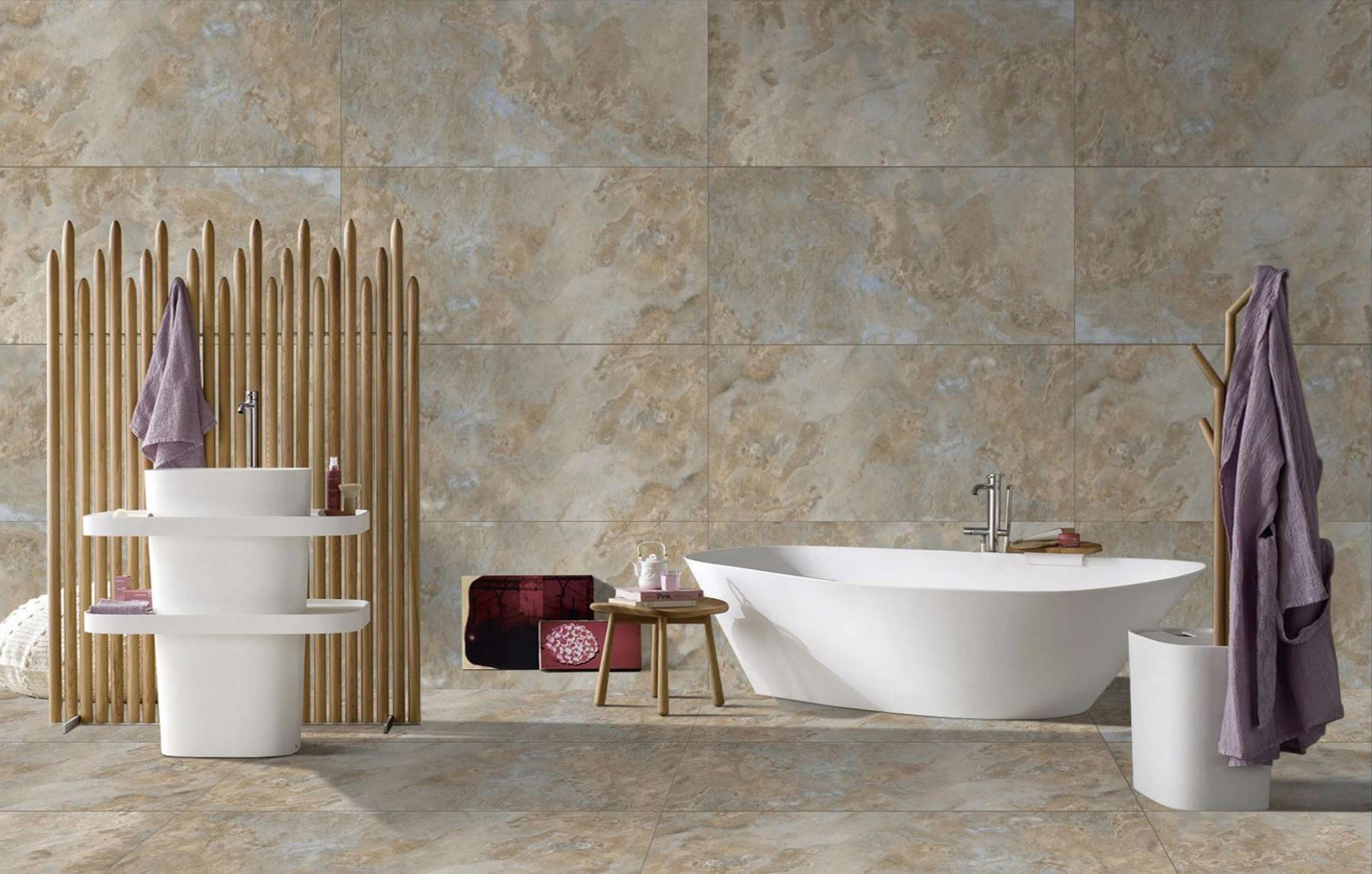
  3. Natural Stone: Stone-look tiles, such as those mimicking marble, slate, and limestone, provide a natural and earthy feel, enhancing the spa-like atmosphere of the bathroom.
  4. Wood-Look Tiles: Porcelain or ceramic tiles that mimic the appearance of wood offer the warmth of wood with the durability of tile, creating a cozy and inviting space.

Shapes

  1. Large Format Tiles: Oversized tiles reduce grout lines and create a seamless, expansive look, making the bathroom feel larger and less cluttered.
  2. Hexagon Tiles: The hexagon shape continues to be a favorite for both floors and walls, offering a modern yet classic look.
  3. Penny Round Tiles: These small, round tiles are perfect for creating vintage charm and can be used in creative patterns or as accent pieces.
  4. Fish Scale Tiles: Also known as mermaid tiles, these fan-shaped tiles add a whimsical and unique touch to bathroom walls or backsplashes.

Inspirations

  1. Nature-Inspired Designs: Bringing elements of nature into the bathroom, such as floral motifs, leafy patterns, or ocean-inspired tiles, promotes a serene and tranquil environment.
  2. Retro Revival: Vintage and retro-inspired designs, such as mid-century modern patterns and colors, offer a nostalgic yet trendy look.
  3. Industrial Chic: Tiles that resemble concrete, rusted metal, or weathered wood fit well in industrial-style bathrooms, adding a rugged and raw aesthetic.
  4. Art Deco Influence: Luxurious and intricate designs inspired by the Art Deco era, featuring bold lines and geometric shapes, add an air of opulence and sophistication.

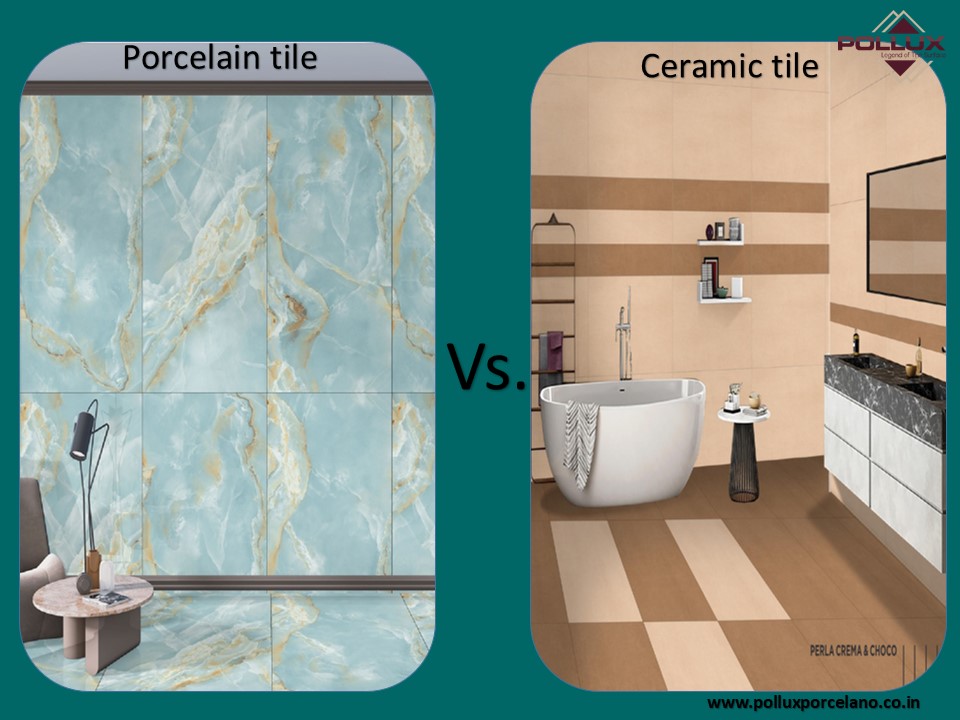
Porcelain tile vs ceramic tile

Porcelain tile vs. Ceramic tile

1. Understanding the Basics: Porcelain vs Ceramic Tile
  When it comes to choosing the right tile for your space, understanding the basic differences between porcelain and ceramic is crucial. Porcelain tile is made from denser clay and fired at a higher temperature, making it more durable and water-resistant compared to ceramic tile. On the other hand, ceramic tile is crafted from a mixture of clay and other natural materials and is typically less dense. These fundamental distinctions lay the groundwork for further exploration into their respective characteristics and applications.

2. The Ultimate Showdown: Porcelain Tile vs Ceramic Tile
It’s time for the ultimate showdown between porcelain and ceramic tile. In this corner, we have porcelain tile, renowned for its durability and versatility. And in the opposite corner, ceramic tile, beloved for its affordability and wide range of designs. Both contenders bring their strengths to the ring, but which one will come out on top in the battle for your flooring needs? Let’s dive deeper into their features and benefits to find out.

3. Breaking Down the Differences: Porcelain vs Ceramic Tiles
Let’s break down the key differences between porcelain and ceramic tiles. Porcelain tile is denser, less porous, and more resistant to moisture, making it ideal for high-traffic areas and outdoor applications. Ceramic tile, while still durable, may require sealing to prevent water absorption and is better suited for indoor use. Understanding these disparities can help you make an informed decision based on your specific needs and preferences.

4. Choosing the Right Tile: A Guide to Porcelain vs Ceramic
When it comes to choosing between porcelain and ceramic tile, it’s essential to consider factors such as durability, moisture resistance, design options, and budget. While porcelain tile may be the preferred choice for areas prone to moisture and heavy foot traffic, ceramic tile offers a wider array of design possibilities at a lower cost. By weighing these factors against your requirements, you can select the right tile for your project with confidence.

5. Porcelain or Ceramic: Which Tile is Right for You?
Deciding between porcelain and ceramic tile can be a daunting task, but fear not—we’re here to help you find the perfect fit for your space. If durability and moisture resistance are top priorities, porcelain tile may be the way to go. However, if you’re looking to unleash your creativity with a variety of colors, patterns, and textures, ceramic tile might be more suited to your needs. By considering your lifestyle, design aesthetic, and budget, you can determine which tile is the right choice for you.

6. Exploring the Pros and Cons: Porcelain Tile vs Ceramic Tile
Let’s explore the pros and cons of porcelain tile versus ceramic tile. Porcelain tile boasts superior durability, water resistance, and longevity, making it ideal for high-traffic areas and outdoor use. However, it tends to be more expensive and challenging to install due to its density. On the other hand, ceramic tile offers a more affordable price point and easier installation but may require sealing to prevent moisture absorption. Understanding these advantages and drawbacks can help you make an informed decision based on your specific needs.

7. The Battle of Durability: Porcelain vs Ceramic Tile
When it comes to durability, porcelain tile and ceramic tile both have their strengths. Porcelain tile, with its dense composition and high firing temperature, is exceptionally durable and resistant to scratches, stains, and moisture. Ceramic tile, while still durable, may be more prone to chipping and cracking due to its lower density. By considering factors such as foot traffic and maintenance requirements, you can determine which tile is better suited to withstand the rigors of daily use in your home.

Aspect Porcelain Tile Ceramic Tile
Composition Made from refined clay and other minerals, fired at higher temperatures Made from clay and other natural materials, fired at lower temperatures
Density Higher density, less porous Lower density, more porous
Durability Extremely durable, resistant to scratches, stains, and moisture Less durable, more prone to scratches and stains, less resistant to moisture
Strength Harder and stronger Softer and less strong
Water Absorption Low water absorption rate Higher water absorption rate
Thickness Typically thicker Can vary in thickness
Applications Suitable for both indoor and outdoor use, including high-traffic areas and wet environments Suitable for indoor use, not recommended for outdoor or high-traffic areas
Installation More difficult to cut and install due to hardness Easier to cut and install
Cost Generally more expensive Generally less expensive
Maintenance Requires minimal maintenance May require more frequent maintenance
Design Options Available in a wide range of colors, patterns, and textures Limited range compared to porcelain

8. Design Decisions: Porcelain Tile vs Ceramic Tile in Home Décor
Design decisions play a significant role in choosing between porcelain and ceramic tile for your home décor. Porcelain tile offers a sleek and modern aesthetic with its smooth surface and wide range of color options, making it perfect for contemporary interiors. Ceramic tile, on the other hand, lends itself well to rustic and traditional designs with its textured finishes and decorative patterns. By aligning your tile choice with your overall design vision, you can create a cohesive and visually appealing space that reflects your personal style.9. Cost Considerations: Porcelain Tile vs Ceramic Tile
When budgeting for your tile project, cost considerations are paramount. Porcelain tile tends to be more expensive than ceramic tile due to its manufacturing process and superior durability. However, ceramic tile offers a more budget-friendly option without compromising on style or quality. By weighing the upfront cost against long-term durability and maintenance savings, you can determine which tile best fits your budget and project requirements.10. Installation Insights: Porcelain vs Ceramic Tile
Installing porcelain and ceramic tile requires careful planning and attention to detail to ensure a successful outcome. Porcelain tile, with its dense composition, may require specialized tools and techniques for cutting and installation. Ceramic tile, while generally easier to work with, still demands precision to achieve professional results. By consulting with a qualified installer and following manufacturer guidelines, you can ensure that your tile installation is completed seamlessly and stands the test of time.11. Maintenance Matters: Porcelain Tile vs Ceramic Tile
Maintenance considerations are essential for prolonging the lifespan and beauty of your tile flooring. Porcelain tile, with its low porosity and resistance to stains and moisture, requires minimal maintenance and is easy to clean with regular sweeping and mopping. Ceramic tile, while also relatively low maintenance, may require periodic sealing to protect against water damage and staining. By establishing a routine maintenance schedule and using appropriate cleaning products, you can keep your tile floors looking pristine for years to come.12. Sustainability Spotlight: Porcelain Tile vs Ceramic Tile
Sustainability is increasingly becoming a priority for eco-conscious consumers, and the choice between porcelain and ceramic tile can have environmental implications. Porcelain tile, made from natural clay and other minerals, is inherently more sustainable due to its durability and longevity. Additionally, many manufacturers offer recycled porcelain tile options, further reducing its environmental footprint. Ceramic tile, while also eco-friendly, may require more energy-intensive production methods and may have a shorter lifespan. By opting for sustainable tile choices and supporting environmentally responsible manufacturers, you can minimize your carbon footprint and contribute to a healthier planet.

    Get a Free Quote

    Expert consultation within 24 hours.

    Inquiry Type