Tag: ceramic tile

PORCELAIN STONEWARE

Porcelain Stoneware

If you’re planning a renovation, building from scratch, or just want to refresh your interior, you’ve probably come across the term Porcelain Stoneware. But what is it exactly, and why is it so popular in both homes and commercial spaces? In this post, we’ll break down everything you need to know about Porcelain Stoneware, from how it’s made to where it works best and whether it’s the right choice for your project.

What Is Porcelain Stoneware?

Porcelain Stoneware is a type of ceramic tile known for its strength, durability, and low porosity. Unlike traditional ceramic tiles, it’s fired at extremely high temperatures, making it dense and resistant to moisture, stains, and scratches. It’s often designed to mimic natural materials like stone, marble, or wood—offering the look you love with far less maintenance.

Why Choose Porcelain Stoneware for Your Home or Business?

There are many reasons why Porcelain Stoneware is a favorite among architects, interior designers, and homeowners. It’s incredibly tough, making it ideal for high-traffic areas. It resists water and wear, meaning it’s just as suitable for bathrooms and kitchens as it is for lobbies and office spaces. Plus, with its wide variety of styles, colors, and finishes, it suits nearly any design aesthetic—from rustic to ultra-modern.

How Porcelain Stoneware Is Made: From Raw Materials to Tiles

The production of Porcelain Stoneware starts with fine natural clay mixed with minerals like feldspar and quartz. This mixture is pressed under high pressure and then fired at temperatures exceeding 1200°C. This process results in a tile that’s dense, hard, and virtually impervious to water. The surface may then be glazed, polished, or left matte, depending on the desired finish.

The Versatility of Porcelain Stoneware in Modern Design

One of the standout features of Porcelain Stoneware is its versatility. It can mimic wood, stone, concrete, or even metal, offering designers a way to achieve luxurious looks without the cost or upkeep. Whether you’re designing a cozy Scandinavian-style bathroom or an industrial-chic loft, there’s a Porcelain Stoneware tile to match your vision.

PORCELAIN STONEWARE

PORCELAIN STONEWARE
PORCELAIN STONEWARE

Where Can You Use Porcelain Stoneware?

Thanks to its durability and aesthetic flexibility, Porcelain Stoneware can be used in almost any setting:

  • Indoors: floors, walls, countertops, and backsplashes
  • Outdoors: patios, terraces, and pool areas
  • Commercial Spaces: restaurants, hotels, retail shops, and offices
    Its resistance to moisture and wear makes it especially popular in kitchens, bathrooms, and entryways.
Porcelain Stoneware vs. Ceramic Tile: What’s the Difference?

While Porcelain Stoneware is technically a type of ceramic, it’s much denser and more durable than standard ceramic tile. It’s fired at higher temperatures and absorbs far less water, making it ideal for areas exposed to moisture or heavy use. If you need a tile that can withstand years of wear and tear, Porcelain Stoneware is the better choice.

How to Clean and Maintain Porcelain Stoneware for Long-Term Beauty

One of the biggest perks of Porcelain Stoneware is its low maintenance. For regular cleaning, warm water and a mild detergent are usually enough. For polished or glazed finishes, avoid abrasive cleaners that could dull the surface. Since it resists stains and doesn’t require sealing, Porcelain Stoneware stays looking fresh with minimal effort.

Top Interior Design Trends Featuring Porcelain Stoneware

Today’s interior trends heavily feature Porcelain Stoneware in exciting ways:

  • Large-format tiles that minimize grout lines for a seamless look
  • Stone-look finishes that mimic marble, slate, or travertine
  • Wood-look planks for warm, rustic charm with the durability of stone
  • Matte black and textured surfaces in minimalist or industrial spaces
    This material lets homeowners embrace bold styles without sacrificing practicality.
Is Porcelain Stoneware a Sustainable Choice?

Yes—Porcelain Stoneware can be a sustainable option. Many manufacturers use recycled materials in production and the long lifespan of these tiles reduces the need for replacements. Additionally, their thermal mass can help regulate indoor temperatures, potentially lowering energy use. When paired with responsible sourcing, Porcelain Stoneware is a smart choice for eco-conscious building.

How Much Does Porcelain Stoneware Cost? Is It Worth It?

The cost of Porcelain Stoneware can range from affordable to high-end, depending on the size, finish, and brand. While it may cost more upfront than basic ceramic tiles, its longevity and low maintenance make it a cost-effective solution in the long run. In commercial or high-traffic spaces, the investment pays off through fewer repairs and replacements.

Is Porcelain Stoneware Right for You?

If you’re looking for a durable, stylish, and versatile material for your floors, walls, or outdoor spaces, Porcelain Stoneware could be the perfect fit. It offers a blend of performance and aesthetics that few materials can match. Whether you’re renovating a bathroom or designing a modern open-plan kitchen, Porcelain Stoneware delivers on both form and function.

Final Thoughts

Porcelain Stoneware isn’t just a trend—it’s a smart, stylish, and sustainable choice for homes and businesses alike. With its endless design options and hard-wearing properties, it’s no wonder it remains a favorite in both residential and commercial design.

POLLUX PORCELANO COMPANY, a reliable Porcelain Stoneware exporter, provides a premium selection of  Porcelain Stoneware that are designed to add style and longevity to any project. We have the ideal tile to fit your style and endure throughout time, whether you choose striking finishes or simplistic designs.
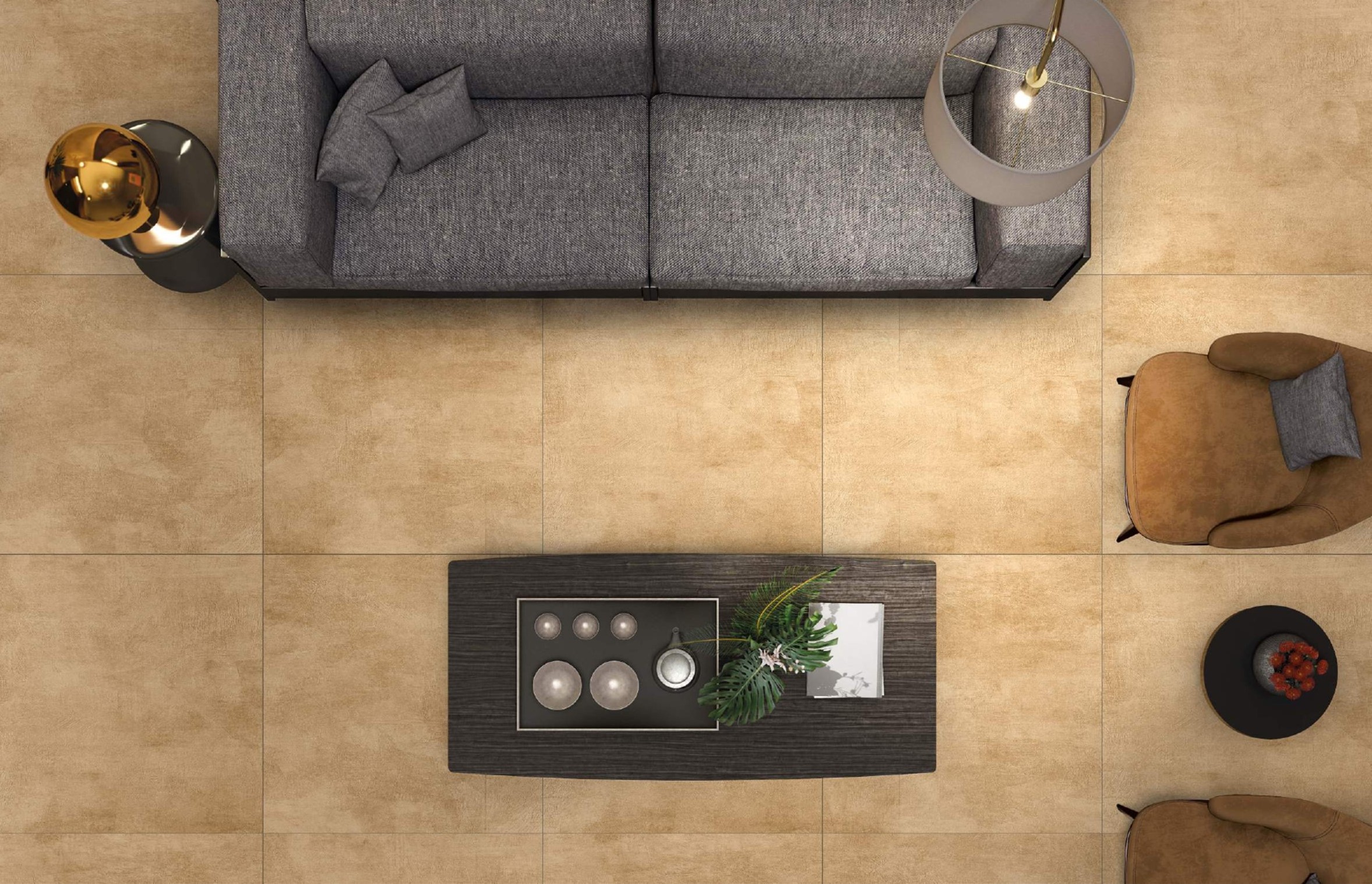
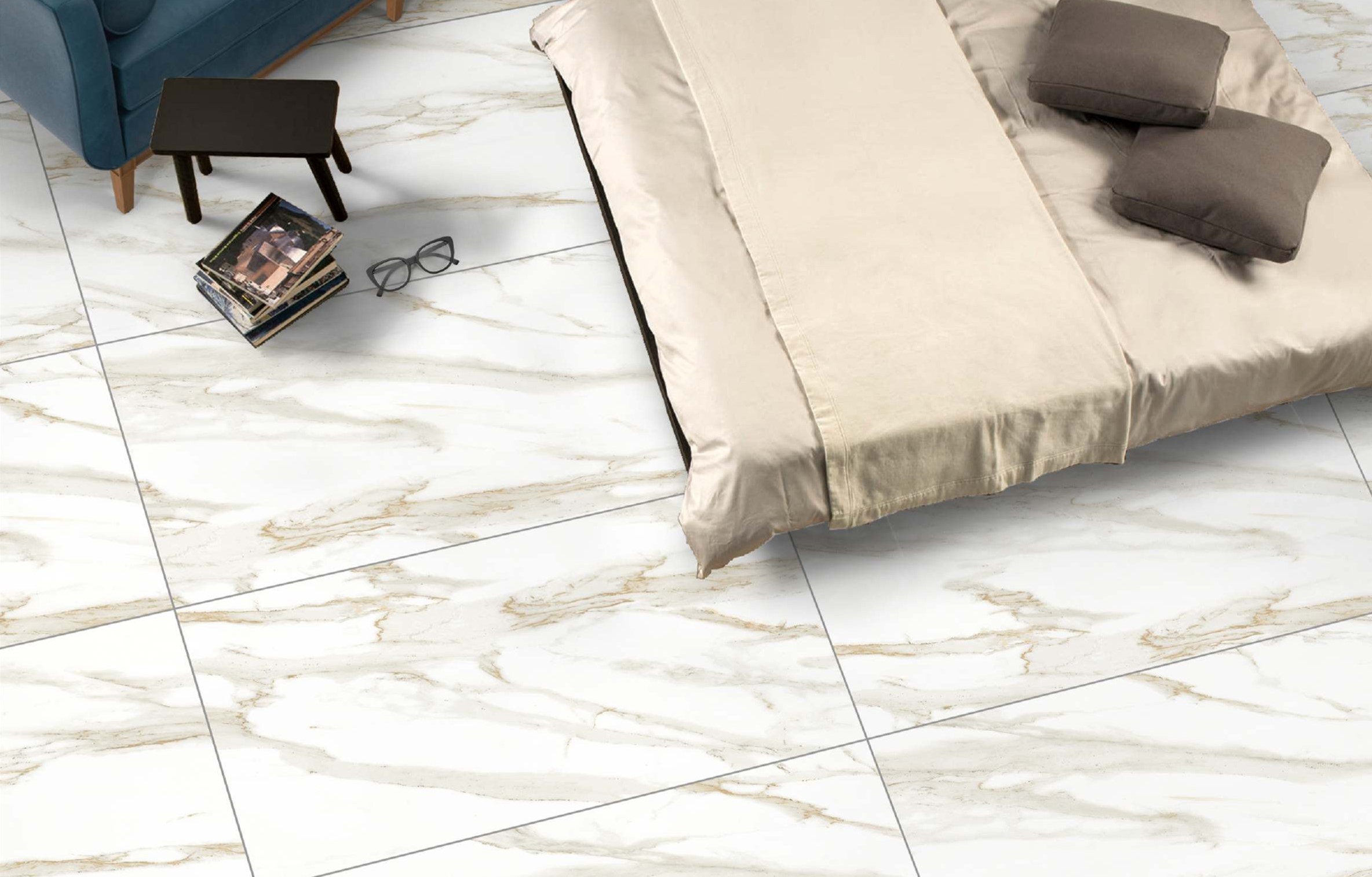
Top 3 Flooring Porcelain Tile Standard Sizes

Introduce the Importance of Flooring

Flooring is a crucial element in interior design, significantly influencing both the aesthetics and functionality of a space. Beyond merely providing a surface to walk on, flooring sets the tone for a room’s atmosphere and serves as a foundation for the overall design scheme

Aesthetics: The choice of flooring can dramatically impact the visual appeal of a room. Different materials, colors, and textures can evoke various moods and styles. For instance, sleek, polished surfaces can create a modern and sophisticated look, while rustic wood flooring can add warmth and a sense of tradition. Porcelain tiles, specifically, are valued for their versatility in mimicking natural materials like stone or wood while offering a wider range of colors and patterns. This makes them suitable for various design aesthetics, from minimalist to ornate.

Functionality: Functionally, flooring must withstand daily wear and tear, moisture, and cleaning routines without losing its appeal or structural integrity. Porcelain tiles excel in durability, making them ideal for high-traffic areas such as kitchens, bathrooms, and entryways. Their resistance to stains, scratches, and moisture makes them low-maintenance and long-lasting, which is crucial for maintaining the aesthetic quality of a space over time.

Role of Porcelain Tiles: Porcelain tiles are manufactured from dense clay fired at high temperatures, resulting in a hard and durable product. This durability allows porcelain tiles to be used in both residential and commercial settings, where their resistance to moisture and staining is highly valued. Additionally, advancements in digital printing technology have enabled porcelain tiles to replicate the look and texture of natural materials with remarkable accuracy.

Moreover, porcelain tiles offer design flexibility with various sizes, shapes, and finishes available. They can be used to create intricate patterns or provide a seamless flow between indoor and outdoor spaces, enhancing the overall design coherence of a property.

In summary, flooring, particularly porcelain tiles, plays a pivotal role in interior design by enhancing both the aesthetic appeal and functionality of a space. Whether creating a welcoming atmosphere in a home or ensuring durability in a commercial environment, the choice of flooring significantly impacts how a space is perceived and utilized. Therefore, careful consideration of flooring materials, such as porcelain tiles, is essential for achieving a harmonious and functional interior design.

Brief Overview of Porcelain Tiles:

Composition and Characteristics:

Porcelain tiles are made from refined clay that is fired at higher temperatures than regular ceramic tiles. This process makes them more dense and less porous, with water absorption rates typically less than 0.5%.

They are known for their strength, hardness, and durability, making them suitable for both indoor and outdoor applications.

Popularity for Flooring:

Porcelain tiles have become increasingly popular for flooring due to their combination of durability, aesthetic versatility, and low maintenance requirements.

They offer homeowners and designers the ability to achieve various looks, from sleek modern designs to rustic or traditional styles.

The ability to use them in both indoor and outdoor settings expands their appeal, allowing for seamless transitions between spaces.

Flooring

60X60 CM Flooring

Floorintg

60X120 CM Flooring

Flooring

80X80 CM Flooring

Common Standard Sizes of Porcelain Tiles

60X60 CM Flooring

  • Advantages:

    • Fewer Grout Lines: Larger tiles mean fewer grout lines, which can create a more seamless and expansive look, making small rooms appear larger.
    • Modern Aesthetic: They contribute to a contemporary and spacious feel due to their size and clean lines.
    • Easier Maintenance: Larger tiles generally require less maintenance since there are fewer grout lines to clean and maintain.
    • Uniformity: They provide a uniform appearance over larger surfaces, reducing visual clutter.
  • Typical Uses:

    • Small Rooms: Ideal for small rooms like bathrooms and powder rooms where the expansive look can make the space feel bigger.
    • Kitchens: Suitable for kitchen floors where the clean lines and modern aesthetic complement contemporary kitchen designs.
    • Backsplashes: Sometimes used for kitchen backsplashes to create a modern and sleek look, though this size might be larger than typical backsplash tiles.
  • Design Trends:

    • Minimalist Designs: Large format tiles often align with minimalist design principles, emphasizing clean lines and open spaces.
    • Industrial Style: They are popular in industrial-style interiors due to their modern and utilitarian appearance.
    • Monochromatic Schemes: Often used in monochromatic color schemes to enhance the uniformity and spacious feel of a room.

60X120 CM Flooring

  • Visual Impact and Spaciousness:

    • Large Format: The 24” x 48” size offers a large format that visually expands the space of medium-sized rooms. Larger tiles can make a room appear more spacious by reducing the number of grout lines, which can create a more continuous and expansive look.

    • Contemporary Aesthetic: The trend towards modern and contemporary interior design favors larger tiles as they lend a sleek, sophisticated appearance to a room. This size is particularly popular in spaces where a clean, uncluttered look is desired.

  • Ease of Maintenance:

    • Fewer Grout Lines: Larger tiles mean fewer grout lines, which translates to easier cleaning and maintenance. Grout lines can be a challenge to keep clean in high-traffic areas, but with larger tiles, there are fewer gaps for dirt and grime to accumulate.

    • Durability: Many 24” x 48” tiles are made from durable materials like porcelain or ceramic, which are resistant to stains and easy to maintain. This makes them suitable for both residential areas like kitchens and bathrooms, as well as light commercial spaces such as offices or retail settings.

  • Versatility:

    • Adaptability to Different Styles: Despite their large size, 24” x 48” tiles are versatile and can complement various interior styles. They can be used in contemporary, minimalist settings as well as more traditional or eclectic designs, depending on the texture, color, and pattern chosen.

    • Suitability for Both Residential and Light Commercial Use: These tiles strike a balance between residential comfort and commercial durability. They are suitable for medium-sized rooms in homes, offering a luxurious feel without being overwhelming. In light commercial spaces, they provide a sophisticated look that can withstand moderate foot traffic.

80X80 CM Flooring

  • Sense of Openness: Larger tiles can create a spacious and open feel in larger areas such as living rooms, kitchens, or open-plan spaces. The expansive size of 32” x 32” tiles can visually enlarge the area by reducing the number of grout lines compared to smaller tiles, which can make the floor appear less cluttered and more continuous.

  • Reduced Grout Lines: Larger tiles mean fewer grout lines. Grout lines can sometimes interrupt the visual flow of a floor and require maintenance over time. With larger tiles like 32” x 32”, the grout lines are minimized, providing a smoother, more continuous surface that enhances the overall aesthetic appeal of the space.

  • Enhanced Visual Appeal: The size and uniformity of 32” x 32” tiles can contribute to a more modern and sophisticated look. They often showcase patterns and veining more effectively, especially in materials like porcelain or ceramic, adding to the visual appeal of the flooring.

  • Easier Maintenance: Larger tiles generally mean less grout to clean, which simplifies maintenance. The larger surface area also means fewer individual tiles to install, reducing installation time and effort.

  • Contemporary Design: 32” x 32” tiles are favored in contemporary interior design for their clean lines and seamless appearance. They can complement various design styles, from minimalist to industrial, and offer versatility in creating different visual effects depending on the layout and pattern used.

  1. Proportional Fit:

    • Large Rooms: In larger rooms, you have the freedom to use larger tiles without overwhelming the space. Larger tiles, such as 24×48 inches or even 32×32 inches, can complement spacious areas by reducing the number of grout lines. This creates a more expansive, unified look that enhances the feeling of openness.

    • Small Rooms: Conversely, small rooms benefit from smaller tiles, typically in sizes like 24×24 inches or smaller. Using small tiles in compact spaces helps in maintaining proper scale and proportion. It prevents the room from feeling cramped and allows for more flexibility in tile placement around fixtures and corners.

  2. Visual Perception of Space:

    • Large Tiles in Small Rooms: When using larger tiles in a small room, the reduced number of grout lines creates a smoother visual flow across the floor. This continuity tricks the eye into perceiving the room as larger and more open than it actually is. The seamless appearance helps to expand the perceived boundaries of the floor area.
  3. Practical Considerations:

    • Grout Lines: Smaller tiles require more grout lines to cover the same area compared to larger tiles. Excessive grout lines in a small room can make the space feel busier and more cluttered. Larger tiles minimize the amount of grout visible, contributing to a cleaner and more spacious aesthetic.
  4. Room Layout and Tile Placement:

    • Tile Placement: The layout of the tiles also impacts how spacious a room feels. In small rooms, using larger tiles in a diagonal pattern can visually elongate the space, drawing the eye along the longer lines of the tiles rather than focusing on the room’s actual dimensions.

POLLUX PORCELANO COMPANY, a reliable Porcelain Tiles Exporter, provides a premium selection of  Porcelain Tile that are designed to add style and longevity to any project. We have the ideal tile to fit your style and endure throughout time, whether you choose striking finishes or simplistic designs.
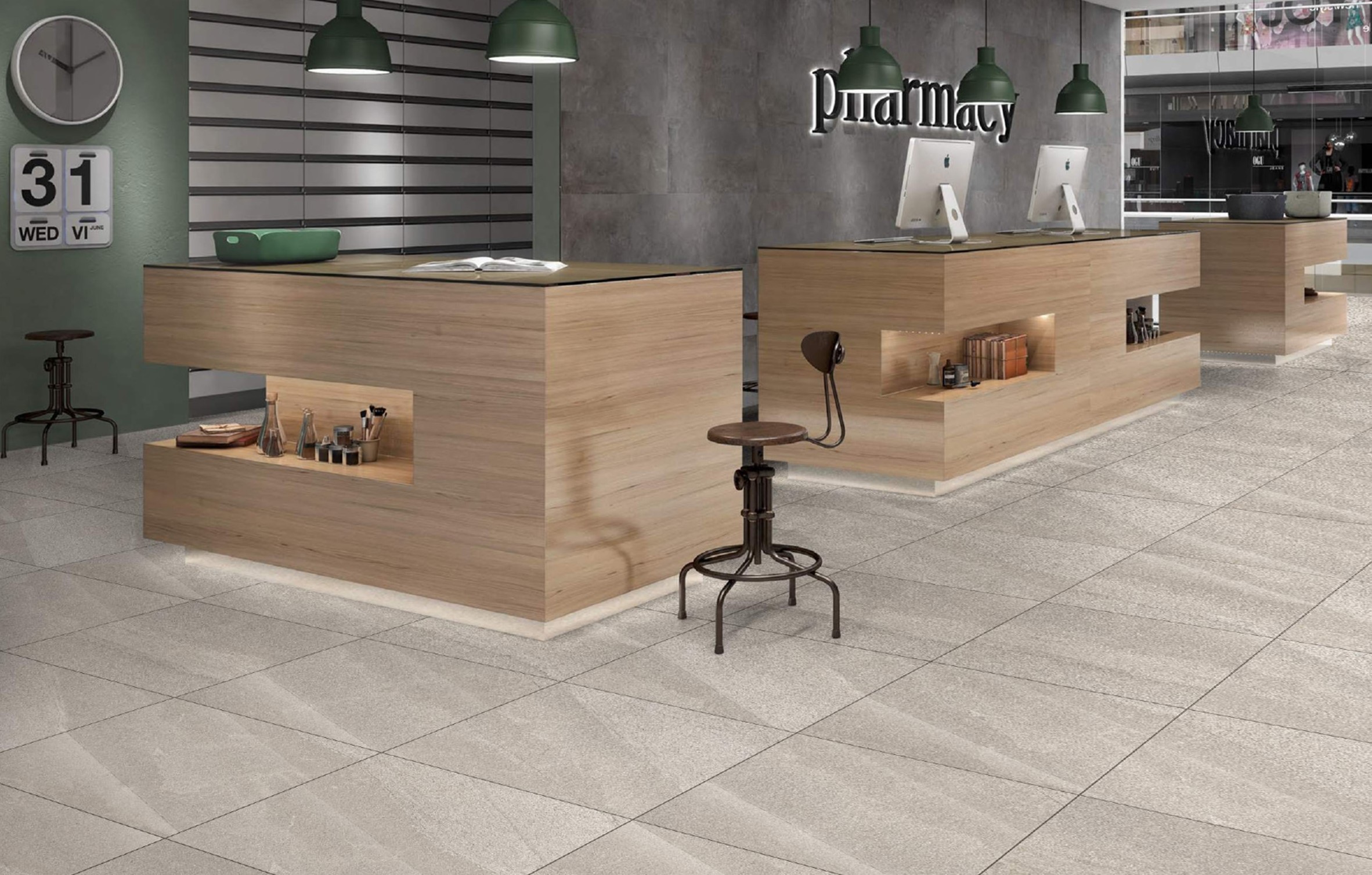
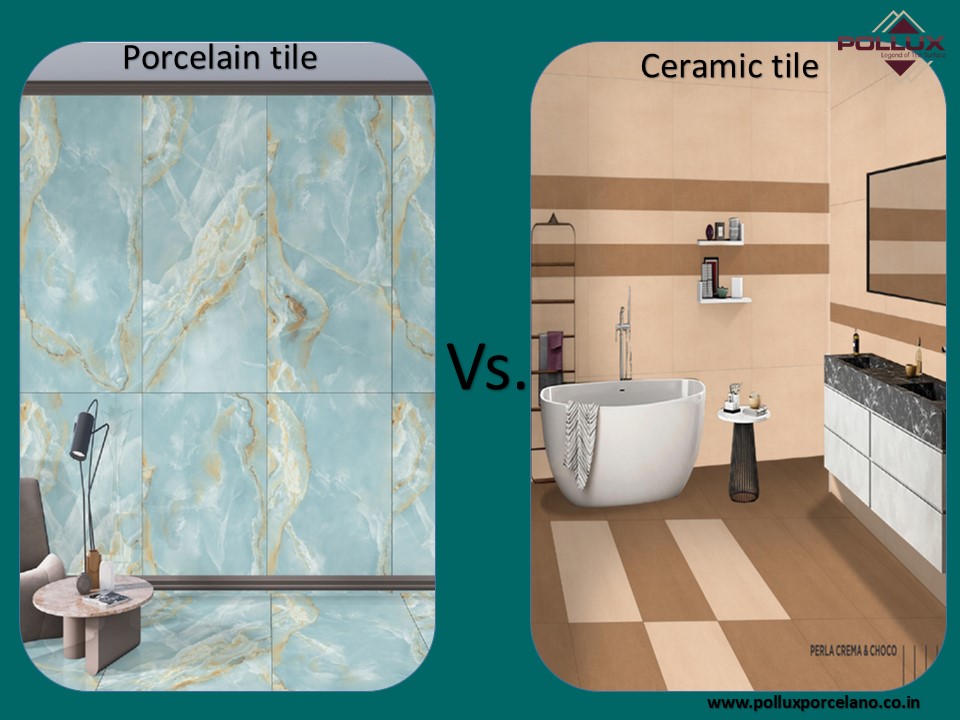
Porcelain tile vs ceramic tile

Porcelain tile vs. Ceramic tile

1. Understanding the Basics: Porcelain vs Ceramic Tile
  When it comes to choosing the right tile for your space, understanding the basic differences between porcelain and ceramic is crucial. Porcelain tile is made from denser clay and fired at a higher temperature, making it more durable and water-resistant compared to ceramic tile. On the other hand, ceramic tile is crafted from a mixture of clay and other natural materials and is typically less dense. These fundamental distinctions lay the groundwork for further exploration into their respective characteristics and applications.

2. The Ultimate Showdown: Porcelain Tile vs Ceramic Tile
It’s time for the ultimate showdown between porcelain and ceramic tile. In this corner, we have porcelain tile, renowned for its durability and versatility. And in the opposite corner, ceramic tile, beloved for its affordability and wide range of designs. Both contenders bring their strengths to the ring, but which one will come out on top in the battle for your flooring needs? Let’s dive deeper into their features and benefits to find out.

3. Breaking Down the Differences: Porcelain vs Ceramic Tiles
Let’s break down the key differences between porcelain and ceramic tiles. Porcelain tile is denser, less porous, and more resistant to moisture, making it ideal for high-traffic areas and outdoor applications. Ceramic tile, while still durable, may require sealing to prevent water absorption and is better suited for indoor use. Understanding these disparities can help you make an informed decision based on your specific needs and preferences.

4. Choosing the Right Tile: A Guide to Porcelain vs Ceramic
When it comes to choosing between porcelain and ceramic tile, it’s essential to consider factors such as durability, moisture resistance, design options, and budget. While porcelain tile may be the preferred choice for areas prone to moisture and heavy foot traffic, ceramic tile offers a wider array of design possibilities at a lower cost. By weighing these factors against your requirements, you can select the right tile for your project with confidence.

5. Porcelain or Ceramic: Which Tile is Right for You?
Deciding between porcelain and ceramic tile can be a daunting task, but fear not—we’re here to help you find the perfect fit for your space. If durability and moisture resistance are top priorities, porcelain tile may be the way to go. However, if you’re looking to unleash your creativity with a variety of colors, patterns, and textures, ceramic tile might be more suited to your needs. By considering your lifestyle, design aesthetic, and budget, you can determine which tile is the right choice for you.

6. Exploring the Pros and Cons: Porcelain Tile vs Ceramic Tile
Let’s explore the pros and cons of porcelain tile versus ceramic tile. Porcelain tile boasts superior durability, water resistance, and longevity, making it ideal for high-traffic areas and outdoor use. However, it tends to be more expensive and challenging to install due to its density. On the other hand, ceramic tile offers a more affordable price point and easier installation but may require sealing to prevent moisture absorption. Understanding these advantages and drawbacks can help you make an informed decision based on your specific needs.

7. The Battle of Durability: Porcelain vs Ceramic Tile
When it comes to durability, porcelain tile and ceramic tile both have their strengths. Porcelain tile, with its dense composition and high firing temperature, is exceptionally durable and resistant to scratches, stains, and moisture. Ceramic tile, while still durable, may be more prone to chipping and cracking due to its lower density. By considering factors such as foot traffic and maintenance requirements, you can determine which tile is better suited to withstand the rigors of daily use in your home.

Aspect Porcelain Tile Ceramic Tile
Composition Made from refined clay and other minerals, fired at higher temperatures Made from clay and other natural materials, fired at lower temperatures
Density Higher density, less porous Lower density, more porous
Durability Extremely durable, resistant to scratches, stains, and moisture Less durable, more prone to scratches and stains, less resistant to moisture
Strength Harder and stronger Softer and less strong
Water Absorption Low water absorption rate Higher water absorption rate
Thickness Typically thicker Can vary in thickness
Applications Suitable for both indoor and outdoor use, including high-traffic areas and wet environments Suitable for indoor use, not recommended for outdoor or high-traffic areas
Installation More difficult to cut and install due to hardness Easier to cut and install
Cost Generally more expensive Generally less expensive
Maintenance Requires minimal maintenance May require more frequent maintenance
Design Options Available in a wide range of colors, patterns, and textures Limited range compared to porcelain

8. Design Decisions: Porcelain Tile vs Ceramic Tile in Home Décor
Design decisions play a significant role in choosing between porcelain and ceramic tile for your home décor. Porcelain tile offers a sleek and modern aesthetic with its smooth surface and wide range of color options, making it perfect for contemporary interiors. Ceramic tile, on the other hand, lends itself well to rustic and traditional designs with its textured finishes and decorative patterns. By aligning your tile choice with your overall design vision, you can create a cohesive and visually appealing space that reflects your personal style.9. Cost Considerations: Porcelain Tile vs Ceramic Tile
When budgeting for your tile project, cost considerations are paramount. Porcelain tile tends to be more expensive than ceramic tile due to its manufacturing process and superior durability. However, ceramic tile offers a more budget-friendly option without compromising on style or quality. By weighing the upfront cost against long-term durability and maintenance savings, you can determine which tile best fits your budget and project requirements.10. Installation Insights: Porcelain vs Ceramic Tile
Installing porcelain and ceramic tile requires careful planning and attention to detail to ensure a successful outcome. Porcelain tile, with its dense composition, may require specialized tools and techniques for cutting and installation. Ceramic tile, while generally easier to work with, still demands precision to achieve professional results. By consulting with a qualified installer and following manufacturer guidelines, you can ensure that your tile installation is completed seamlessly and stands the test of time.11. Maintenance Matters: Porcelain Tile vs Ceramic Tile
Maintenance considerations are essential for prolonging the lifespan and beauty of your tile flooring. Porcelain tile, with its low porosity and resistance to stains and moisture, requires minimal maintenance and is easy to clean with regular sweeping and mopping. Ceramic tile, while also relatively low maintenance, may require periodic sealing to protect against water damage and staining. By establishing a routine maintenance schedule and using appropriate cleaning products, you can keep your tile floors looking pristine for years to come.12. Sustainability Spotlight: Porcelain Tile vs Ceramic Tile
Sustainability is increasingly becoming a priority for eco-conscious consumers, and the choice between porcelain and ceramic tile can have environmental implications. Porcelain tile, made from natural clay and other minerals, is inherently more sustainable due to its durability and longevity. Additionally, many manufacturers offer recycled porcelain tile options, further reducing its environmental footprint. Ceramic tile, while also eco-friendly, may require more energy-intensive production methods and may have a shorter lifespan. By opting for sustainable tile choices and supporting environmentally responsible manufacturers, you can minimize your carbon footprint and contribute to a healthier planet.

    Get a Free Quote

    Expert consultation within 24 hours.

    Inquiry Type