 Sr. No. 163, Paiki No. 37/38 , Morbi, Gujarat-363641, India.
 +91 99783 43488
 info@polluxporcelano.co.in

Introduction
Imagine stepping into a bathroom where the tiles are a mismatched mishmash of colors, sizes, and textures, creating a chaotic visual cacophony. Now, picture yourself in another bathroom where the tiles are carefully selected, perfectly aligned, and harmoniously complementing the overall design. Which one would you prefer?
Here’s an intriguing statistic: According to a study conducted by the National Association of Home Builders, bathroom renovations consistently rank among the top interior remodeling projects undertaken by homeowners. And at the heart of these renovations lies a crucial element: the humble bathroom tile.
The Evolution of Bathroom Tiles
Ancient Civilizations
- Mesopotamia (c. 3000 BCE)
- Materials: Early tiles were made of clay and were used mainly for decorative purposes.
- Technique: Tiles were hand-shaped and sun-dried or fired in kilns.
- Ancient Egypt (c. 2000 BCE)
- Materials: Glazed bricks and faience, a type of glazed ceramic.
- Technique: Egyptians used tiles in both functional and decorative contexts, often in temples and royal palaces.
- Minoan Civilization (c. 2000-1500 BCE)
- Materials: Stone and ceramic tiles.
- Technique: Intricate patterns and motifs, including marine life and religious symbols, were common. The Palace of Knossos is a prime example.
- Ancient Greece (c. 800-300 BCE)
- Materials: Terracotta tiles.
- Technique: Greeks advanced tile-making techniques, using them in baths and on roofs.
- Ancient Rome (c. 500 BCE-500 CE)
- Materials: Terracotta, marble, and mosaic tiles.
- Technique: Romans extensively used tiles in their sophisticated public bath systems (thermae) and private homes. Mosaics with intricate designs were popular.
Middle Ages
- Islamic Golden Age (8th-14th centuries)
- Materials: Glazed ceramic tiles.
- Technique: Islamic artisans perfected tile glazing techniques, creating intricate geometric and floral patterns. The use of tiles in bathhouses (hammams) was common.
- Medieval Europe (5th-15th centuries)
- Materials: Limited use of tiles, mostly stone and unglazed terracotta.
- Technique: Tiles were less common in Europe during this period, with stone and wood being predominant in constructions.
Renaissance to 19th Century
- Renaissance (14th-17th centuries)
- Materials: Encaustic tiles (clay tiles with inlaid designs).
- Technique: Revival of tile usage in Europe, with intricate, colorful designs becoming popular in churches and palaces.
- Industrial Revolution (18th-19th centuries)
- Materials: Mass-produced ceramic tiles.
- Technique: Advances in manufacturing allowed for the mass production of tiles. Victorian England saw the extensive use of decorative tiles in public baths and private bathrooms.
20th Century to Present
- Early 20th Century
- Materials: Ceramic and porcelain bathroom tiles.
- Technique: Art Deco and Art Nouveau movements influenced tile designs with bold patterns and colors. The introduction of subway tiles became a staple in bathrooms.
- Mid-20th Century
- Materials: Ceramic, porcelain, and glass tiles.
- Technique: Post-war modernism led to simpler, more functional designs. Innovations included the development of thin, large-format tiles.
- Late 20th Century
- Materials: Ceramic, porcelain, glass, and stone tiles.
- Technique: The popularity of DIY home improvement increased the variety and accessibility of tiles. Advances in printing technology allowed for realistic imitations of natural materials like wood and stone.
- 21st Century
- Materials: Advanced ceramics, porcelain, glass, metal, and composite materials.
- Technique: Digital printing technology has revolutionized tile designs, allowing for highly detailed and customizable patterns. Sustainability has become a focus, with eco-friendly materials and production methods. Innovations like self-cleaning and anti-bacterial tiles have emerged.
Types of Bathroom Tiles
1. Ceramic bathroom Tiles
Description: Made from a mixture of clay, water, and minerals, ceramic tiles are kiln-fired to create a durable surface.
Pros:
- Cost-effective: Generally more affordable than other tile types.
- Variety: Available in numerous colors, patterns, shapes, and sizes.
- Easy to Cut and Install: Suitable for DIY projects.
Cons:
- Durability: Less durable than porcelain, prone to chipping and cracking.
- Porosity: Higher water absorption rate, making them less suitable for very wet areas unless properly sealed.
2. Porcelain bathroom Tiles
Description: A type of ceramic tile, porcelain is made from denser clay and fired at higher temperatures, resulting in a more durable and water-resistant tile.
Pros:
- Durability: Highly resistant to wear, chipping, and scratching.
- Water Resistance: Extremely low water absorption rate, ideal for wet areas.
- Variety: Available in many styles, including those mimicking natural stone or wood.
Cons:
- Cost: Generally more expensive than standard ceramic tiles.
- Installation: More challenging to cut and install due to its density.
3. Glass bathroom Tiles
Description: Made from thin pieces of glass, often backed with colored materials to add vibrancy and depth.
Pros:
- Aesthetic Appeal: Offers a modern, sleek look with a reflective surface that can make small spaces appear larger.
- Waterproof: Impervious to water, making them ideal for shower walls and backsplashes.
- Easy to Clean: Non-porous surface resists stains and mildew.
Cons:
- Durability: Can be prone to chipping and cracking, especially on floors.
- Cost: Typically more expensive than ceramic or porcelain.
4. Natural Stone bathroom Tiles
Types: Includes marble, granite, travertine, slate, and limestone.
Pros:
- Aesthetic: Each tile is unique, providing a natural and luxurious appearance.
- Durability: Particularly in granite and marble, they can be very durable.
Cons:
- Maintenance: Requires regular sealing to prevent staining and water damage.
- Cost: Generally more expensive, both in terms of material and installation.
- Porosity: Varies by type, but many natural stones are porous and absorb water unless properly sealed.
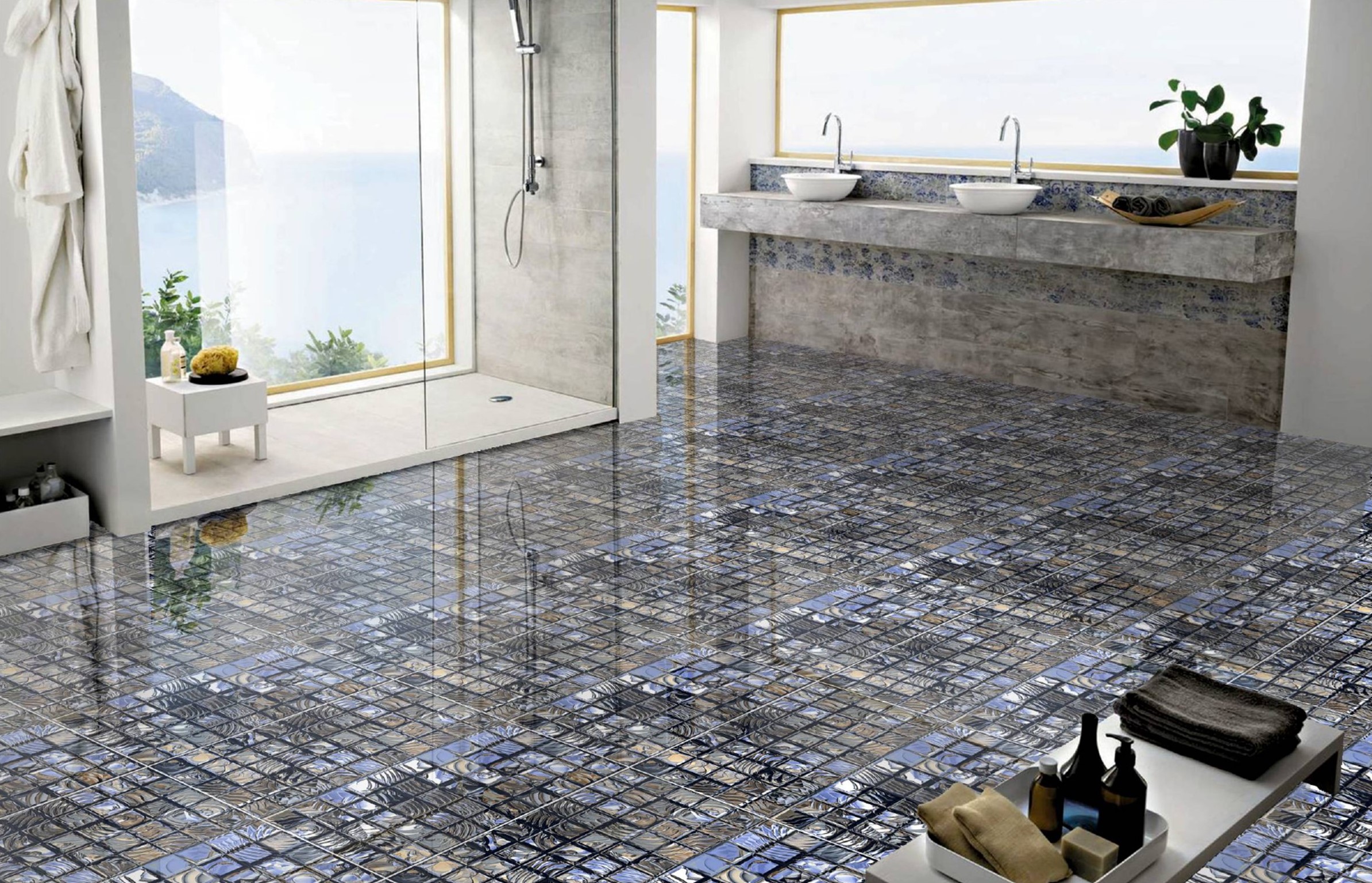
5. Mosaic bathroom Tiles
Description: Small tiles, typically less than 2 inches square, made from various materials, including ceramic, porcelain, glass, or natural stone. They are often mounted on mesh sheets for easier installation.
Pros:
- Design Flexibility: Ideal for creating intricate patterns and designs, including murals and accents.
- Slip Resistance: The numerous grout lines provide extra grip, making them suitable for shower floors.
- Variety: Available in many colors, materials, and shapes.
Cons:
- Installation: Can be time-consuming and requires precision.
- Cleaning: More grout lines mean more areas to clean and maintain.
Summary
Each type of bathroom tile offers unique benefits and considerations:
- Ceramic: Cost-effective and versatile, but less durable.
- Porcelain: Durable and water-resistant, but more expensive.
- Glass: Stylish and waterproof, but can be fragile.
- Natural Stone: Luxurious and unique, but high-maintenance and costly.
- Mosaic: Highly customizable and slip-resistant, but requires precise installation.
Design Trends and Inspirations
Patterns
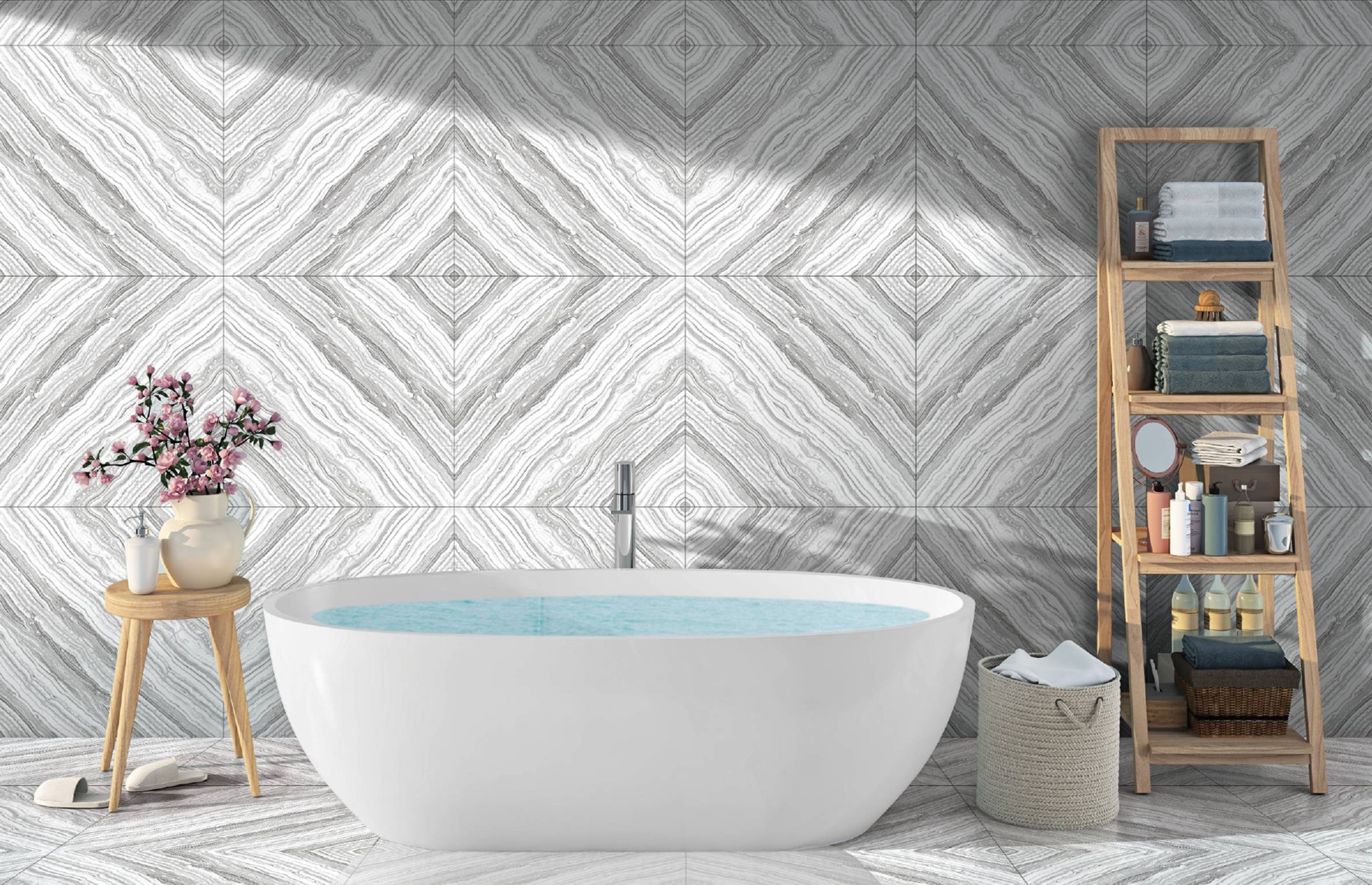
- Geometric Patterns: Bold geometric designs, including hexagons, diamonds, and arabesques, are popular. These patterns create dynamic visual interest and can make a small bathroom appear larger.
- Mosaic Tiles: Tiny mosaic tiles arranged in intricate patterns are making a comeback. They offer a classic look with the flexibility to create detailed designs and artwork.
- Herringbone and Chevron: These patterns add a touch of elegance and sophistication. Herringbone and chevron patterns can be used on both floors and walls to create a sense of movement.
- Patchwork Designs: Mixing and matching different tile patterns within a single color palette gives a bohemian and eclectic feel to the bathroom.
Colors
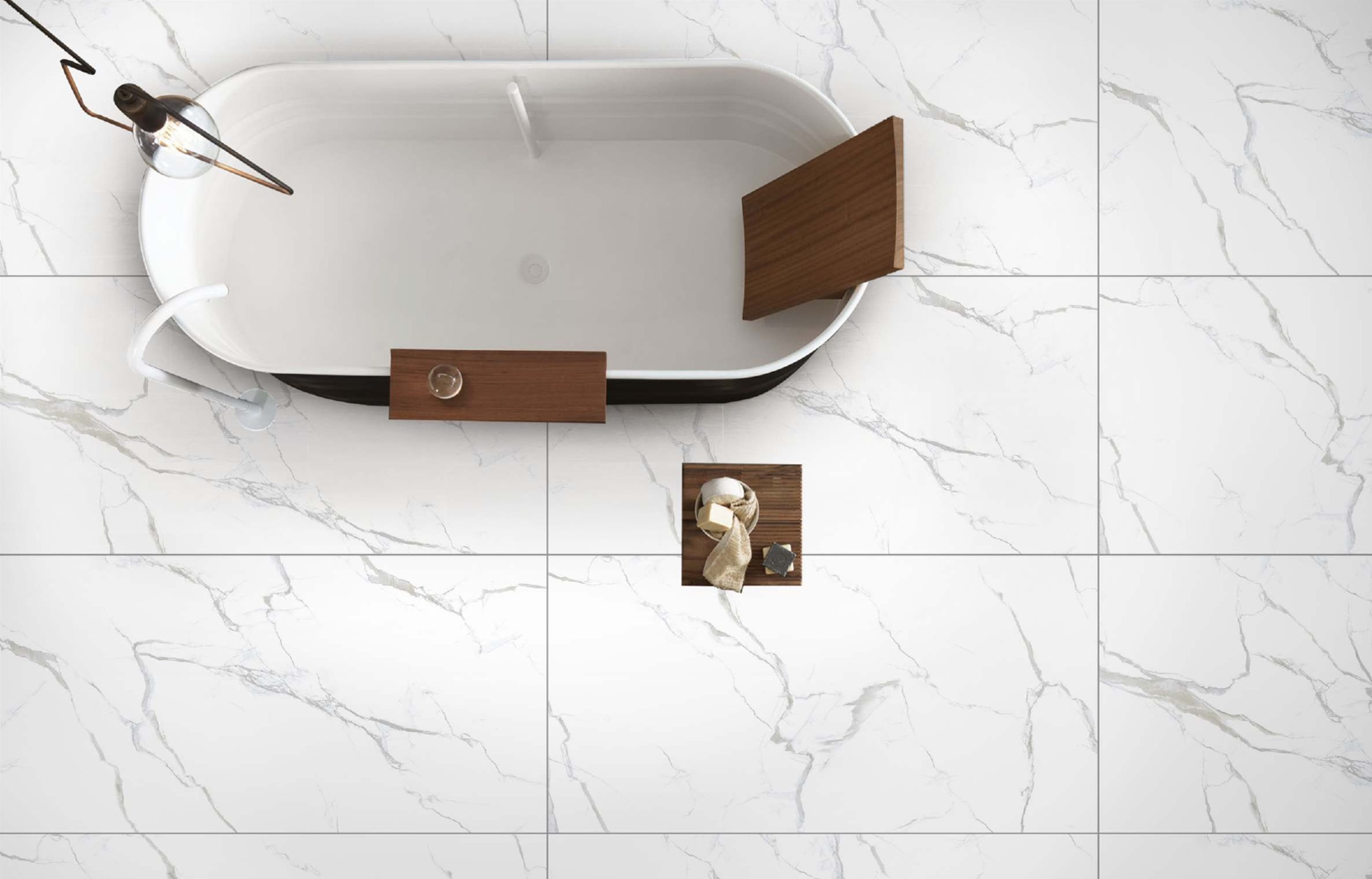
- Neutral Tones: Soft, neutral shades like beige, gray, and white continue to dominate, providing a timeless and versatile backdrop.
- Bold Colors: Deep, rich colors such as navy blue, emerald green, and black are increasingly popular for creating dramatic and luxurious spaces.
- Pastels: Soft pastel hues like blush pink, mint green, and powder blue add a fresh and calming vibe, perfect for smaller bathrooms.
- Metallic Accents: Incorporating metallic tiles in gold, silver, or bronze can add a touch of glamour and modernity to the bathroom.
Textures
- Matte Finishes: Matte tiles are gaining popularity for their understated elegance and ability to hide water spots and fingerprints.
- Textured Surfaces: Tiles with three-dimensional textures, such as ripples, waves, or raised patterns, add depth and tactile interest to the bathroom.
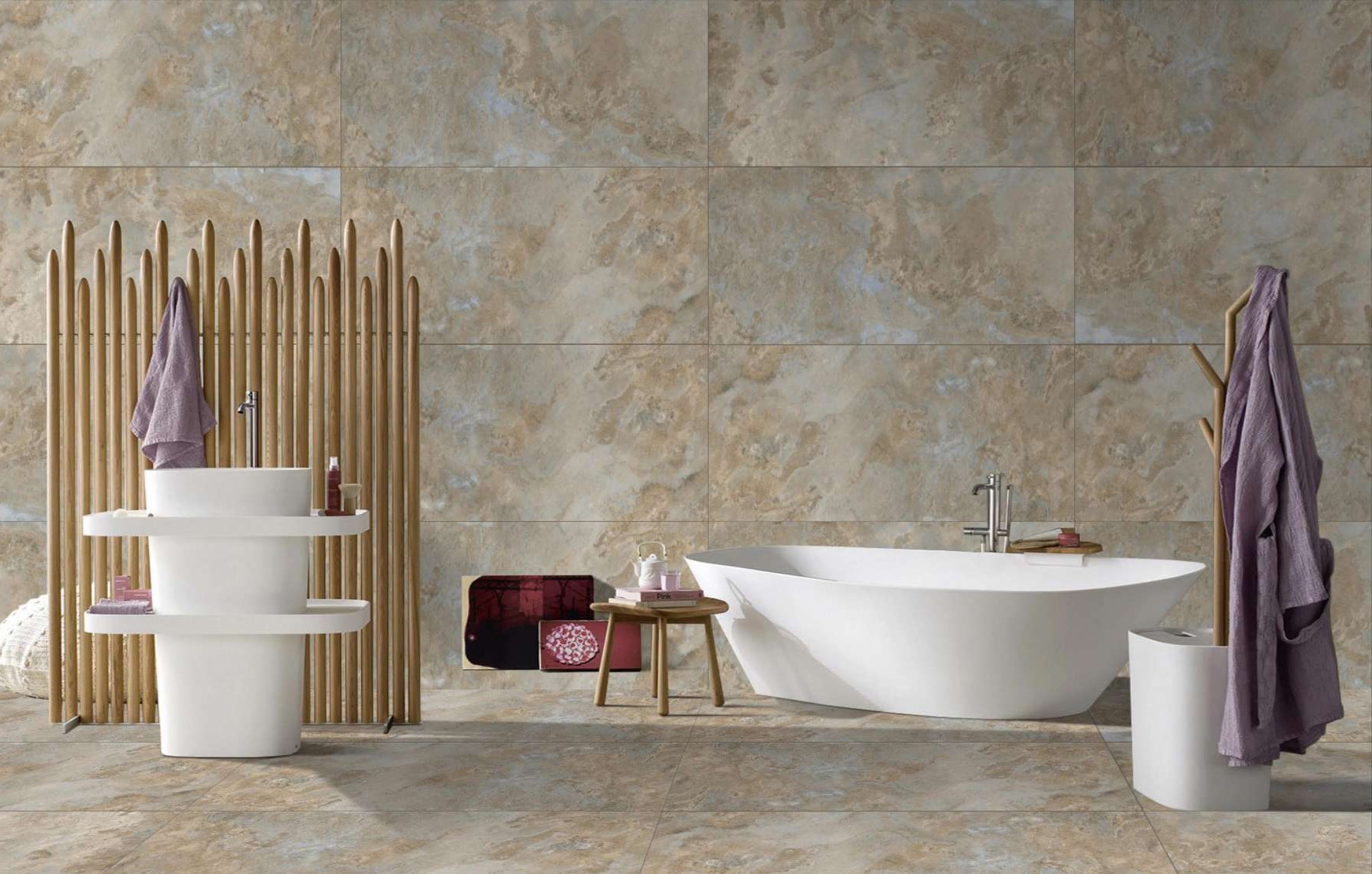
- Natural Stone: Stone-look tiles, such as those mimicking marble, slate, and limestone, provide a natural and earthy feel, enhancing the spa-like atmosphere of the bathroom.
- Wood-Look Tiles: Porcelain or ceramic tiles that mimic the appearance of wood offer the warmth of wood with the durability of tile, creating a cozy and inviting space.
Shapes
- Large Format Tiles: Oversized tiles reduce grout lines and create a seamless, expansive look, making the bathroom feel larger and less cluttered.
- Hexagon Tiles: The hexagon shape continues to be a favorite for both floors and walls, offering a modern yet classic look.
- Penny Round Tiles: These small, round tiles are perfect for creating vintage charm and can be used in creative patterns or as accent pieces.
- Fish Scale Tiles: Also known as mermaid tiles, these fan-shaped tiles add a whimsical and unique touch to bathroom walls or backsplashes.
Inspirations
- Nature-Inspired Designs: Bringing elements of nature into the bathroom, such as floral motifs, leafy patterns, or ocean-inspired tiles, promotes a serene and tranquil environment.
- Retro Revival: Vintage and retro-inspired designs, such as mid-century modern patterns and colors, offer a nostalgic yet trendy look.
- Industrial Chic: Tiles that resemble concrete, rusted metal, or weathered wood fit well in industrial-style bathrooms, adding a rugged and raw aesthetic.
- Art Deco Influence: Luxurious and intricate designs inspired by the Art Deco era, featuring bold lines and geometric shapes, add an air of opulence and sophistication.
