 Sr. No. 163, Paiki No. 37/38 , Morbi, Gujarat-363641, India.
 +91 99783 43488
 info@polluxporcelano.co.in

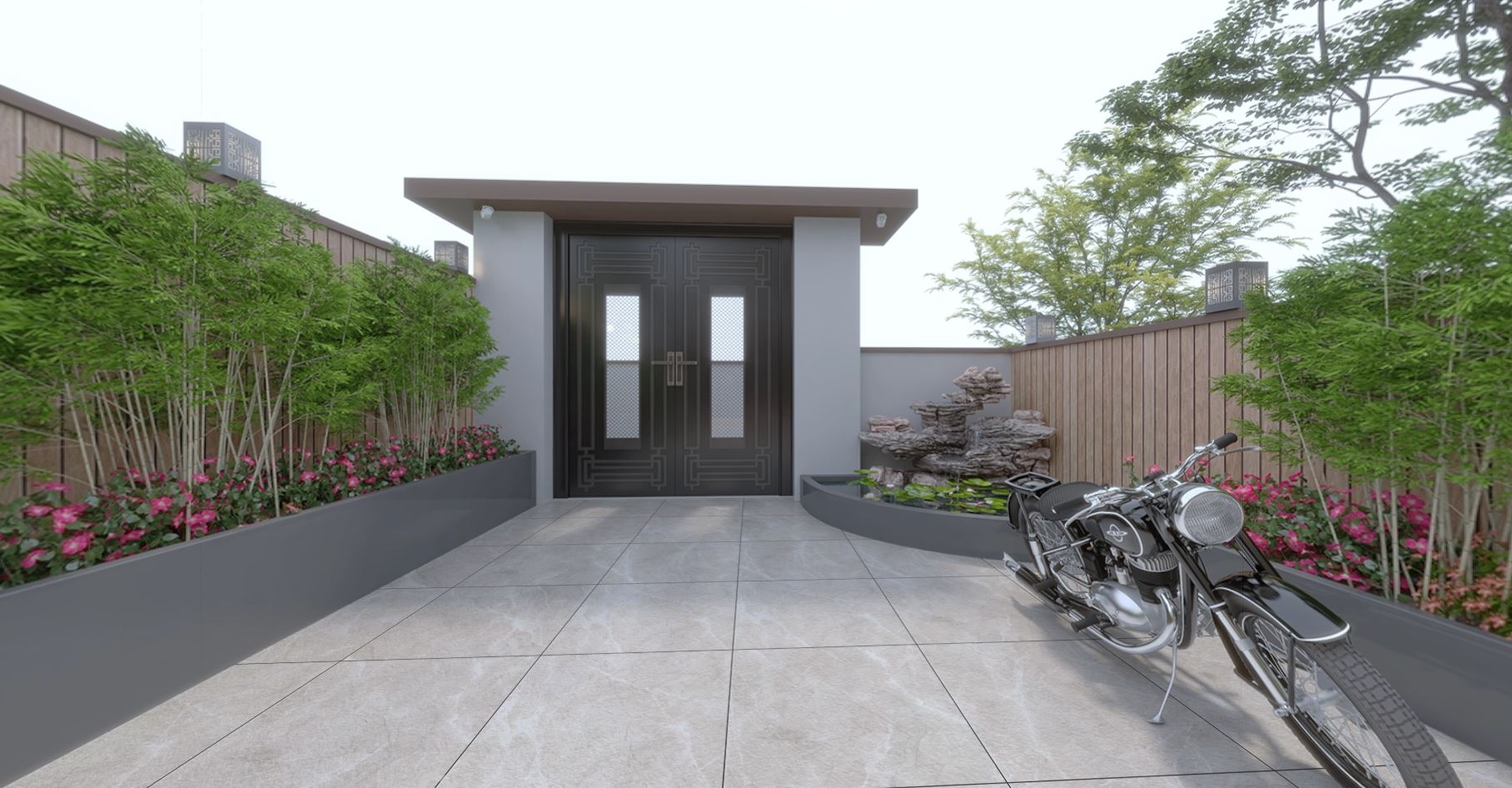
Forget the crumbly concrete and the high-maintenance timber of the past. If you’re looking to transform your garden into a sleek, “indoor-outdoor” sanctuary, porcelain paving is the undisputed heavyweight champion.
What Exactly Is Porcelain Paving?
Unlike ceramic or natural stone, porcelain is made from highly refined clay fired at temperatures exceeding 1,200°C. This process, known as vitrification, creates a tile that is incredibly dense and nearly non-porous.
Why Porcelain Wins: The Top 5 Benefits
1. The “Zero Maintenance” Dream
Natural stone (like sandstone) is beautiful, but it’s a literal sponge for algae, moss, and oil stains. Porcelain has an absorption rate of almost zero.
- The Result: Spilled red wine or muddy paw prints wipe away with a damp cloth. No sealing is required—ever.
2. Weatherproof and Slip-Resistant
Many homeowners fear that “tiles” mean “ice rink” when it rains. However, outdoor porcelain is manufactured with a specific R11 Anti-Slip rating.
- Frost Proof: Because it doesn’t absorb water, it won’t crack during the “freeze-thaw” cycles of winter.
- Fade Proof: Unlike composite decking or dyed concrete, porcelain is UV-resistant. Your patio will look the same in ten years as it does today.
3. Seamless Indoor-Outdoor Living
One of the biggest trends in modern architecture is the “infinity floor.” By using a thinner porcelain tile inside and a matching 20mm porcelain slab outside, you can blur the lines between your kitchen and your garden, making both spaces feel significantly larger.
4. Incredible Aesthetic Variety
- Ultra-Realistic Wood: All the warmth of oak without the rot.
- Modern Concrete: The industrial look without the cracking.
- Rare Marble/Stone: Get the look of expensive Italian marble with none of the fragility.
5. Strength and Durability
At a standard 20mm thickness, these slabs can support immense weight. When installed correctly on a solid bed, they are resistant to scratches, heavy patio furniture, and high foot traffic.
| Feature | Porcelain | Natural Stone | Timber Decking |
| Maintenance | Low (Sweep & Wash) | High (Sealing needed) | High (Staining/Sanding) |
| Durability | 20+ Years | 15+ Years | 5–10 Years |
| Algae Growth | Resistant | Prone | Very Prone |
| Color Fade | No | Yes (Weathering) | Yes |
- Use a Primer: Because porcelain is non-porous, standard mortar won’t “stick” to it. You must apply a SBR/Bonding Primer to the back of each slab before laying.
- The 20mm Standard: Ensure you are buying “Outdoor Grade” porcelain. Indoor tiles (usually 8-10mm) are too thin and will crack under outdoor pressure.
- Mind the Gaps: Use a high-quality brush-in grout specifically designed for porcelain to ensure the joints remain weed-free and water-tight.
The Verdict
Porcelain paving is an investment. While the initial cost may be slightly higher than concrete or basic timber, the Return on Investment (ROI) is unmatched. You save money on sealants, cleaners, and repairs, all while enjoying a designer-look garden that stays pristine year-round.