 Sr. No. 163, Paiki No. 37/38 , Morbi, Gujarat-363641, India.
 +91 99783 43488
 info@polluxporcelano.co.in

EVERYTHING YOU NEED TO KNOW MORE ABOUT PORCELAIN TILES
Selecting the right surface material for your home or commercial space can feel overwhelming with so many options available today. However, Porcelain Tiles continue to stand out as the top choice for architects, interior designers, and homeowners alike. Renowned for their incredible strength, sleek aesthetic, and versatility, these surfaces seamlessly combine functionality with modern design.
Whether you are renovating a kitchen, designing a serene bathroom, or looking for weather-resistant outdoor surfacing, Pollux Porcelano provides premier solutions engineered to elevate any architectural project. Here is your ultimate guide covering everything you need to know about Porcelain Tiles.
1. What Are Porcelain Tiles? A Complete Introduction
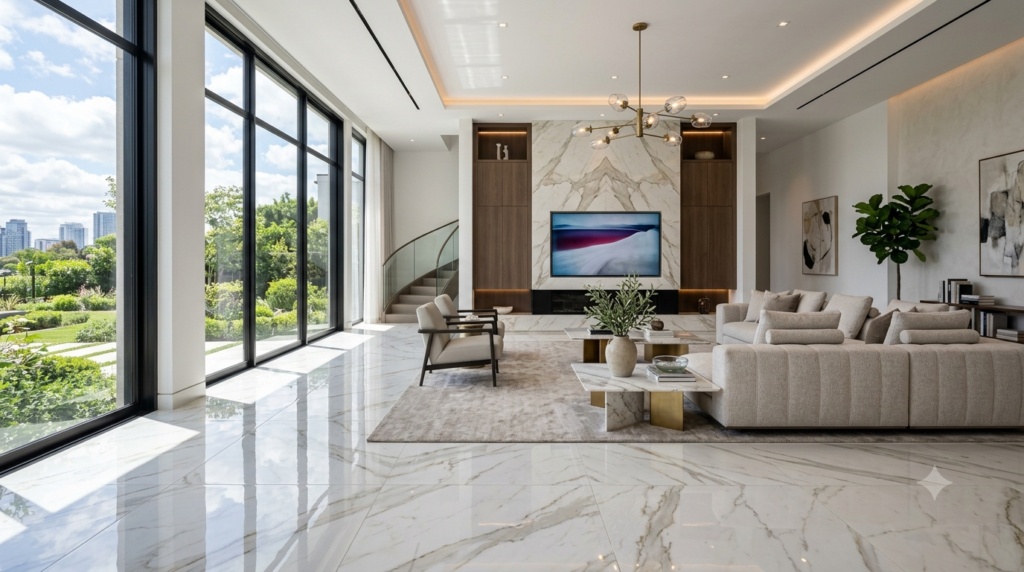
Porcelain Tiles are a refined subset of ceramic tiles, but they offer significantly greater density, durability, and moisture resistance. Crafted using finely ground kaolin clay, feldspar, silica, and natural minerals, these materials are compressed under intense hydraulic pressure and fired at extreme temperatures.
The primary difference between standard ceramic tiles and Porcelain Tiles lies in the clay composition and the firing process. While traditional ceramics use coarser clay and are fired at lower heat, porcelain utilizes ultra-fine clay fired at higher temperatures. This process results in a non-porous material that effortlessly withstands heavy foot traffic, moisture, and daily wear and tear. At Pollux Porcelano, state-of-the-art manufacturing techniques ensure every tile delivers uncompromised elegance and structural integrity.
2. How Are Porcelain Tiles Made?
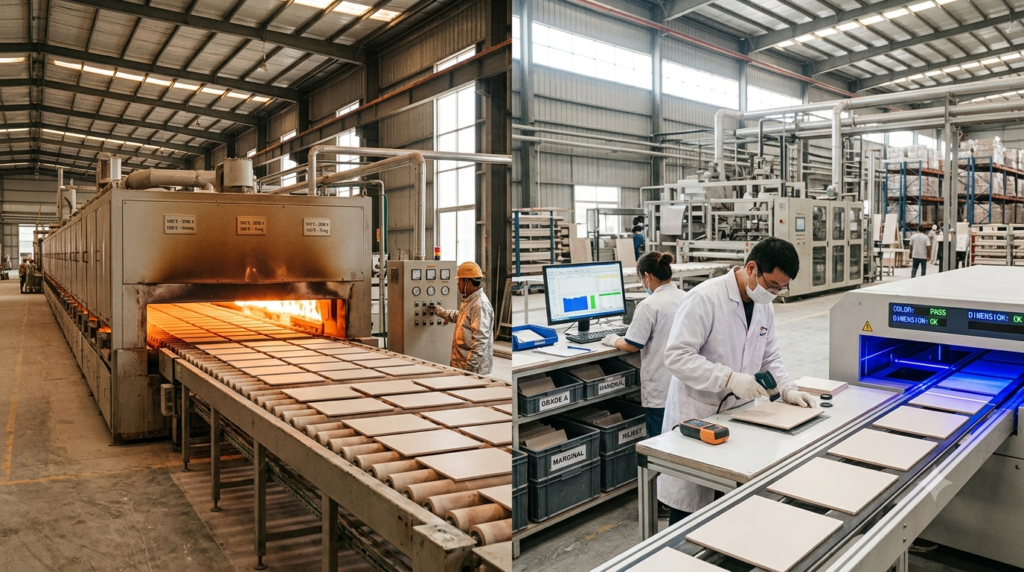
The journey of creating high-quality Porcelain Tiles involves a precision-driven manufacturing process:
-
Raw Material Preparation: High-grade white clay, feldspar, quartz, and mineral oxides are carefully selected, crushed, and blended with water to create a slurry.
-
Spray Drying: The slurry is atomized and spray-dried into a fine powder with uniform moisture content.
-
High-Pressure Pressing: Hydraulic presses apply thousands of tons of pressure to compress the powder into dense tile bodies.
-
Glazing & High-Definition Printing: For glazed variations, advanced digital inkjet technology prints intricate natural textures, patterns, or colors onto the surface.
-
High-Temperature Firing: The tiles pass through continuous roller kilns at temperatures reaching up to 1,200°C–1,250°C (2,192°F–2,282°F). This vitrifies the materials, bonding them into a virtually non-porous solid.
-
Polishing & Finishing: Depending on the design requirements, tiles are rectified (precision-cut edges for minimal grout lines), polished, or given protective matt coatings.
By combining cutting-edge technology with rigorous quality checks, Pollux Porcelano ensures every batch meets international standards for perfection.
3. What Are the Main Types of Porcelain Tiles?
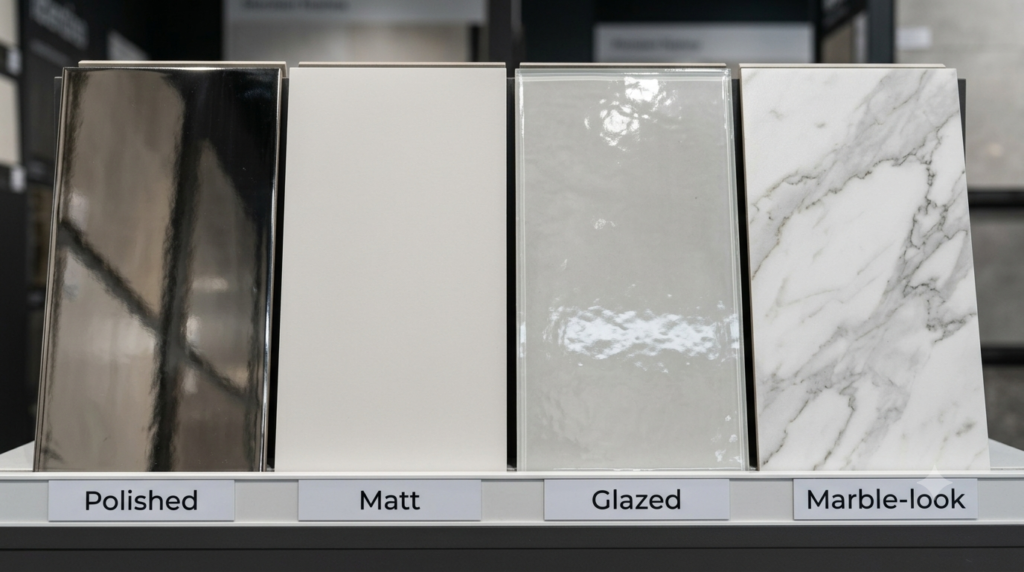
Porcelain Tiles are produced in a vast array of surface textures, styles, and finishes to suit diverse design requirements:
-
Polished Porcelain Tiles: Featuring a brilliant glass-like shine that reflects light, making rooms feel larger and brighter.
-
Matt Porcelain Tiles: Offering a soft, non-reflective, natural finish that hides smudges and provides enhanced slip resistance.
-
Glazed Porcelain Tiles: Coated with a protective liquid glass layer before firing, enabling endless colors, patterns, and digital design options.
-
Full-Body Porcelain Tiles: The color and pattern run throughout the entire thickness of the tile, meaning minor chips or scratches remain practically invisible.
-
Wood-Look Porcelain Tiles: Capture the warmth and charm of hardwood flooring without susceptibility to warping, water damage, or termites.
-
Marble-Look Porcelain Tiles: Replicate the vein patterns of luxury marble with superior stain resistance and hassle-free maintenance.
-
Outdoor Porcelain Tiles: Specially designed with higher thickness (often 20mm) and enhanced anti-slip textures to handle climate variations and heavy outdoor use.
4. Why Choose Porcelain Tiles? Key Benefits and Advantages
When comparing surface materials, Porcelain Tiles consistently top the list due to their performance advantages:
-
High Durability: Highly resistant to impact, wear, and heavy foot traffic, ensuring long-lasting beauty.
-
Low Water Absorption: With a water absorption rate under 0.5%, they are virtually waterproof and frost-resistant.
-
Stain Resistance: Spills like coffee, wine, or oil remain on the surface and wipe off easily without staining.
-
Easy Maintenance: No sealing, waxing, or specialized chemical cleaning is needed—simple routine cleaning is all it takes.
-
Scratch Resistance: Dense surfaces resist scratches from pet claws, furniture movement, or shoe heels.
-
Versatile Designs: Pollux Porcelano offers endless design possibilities, from minimalist concrete looks to intricate marble patterns.
-
Indoor and Outdoor Applications: Maintains performance and color fastness across interior spaces and harsh exterior environments alike.
5. Where Can Porcelain Tiles Be Used?
Thanks to their resilience and aesthetics, Porcelain Tiles can be installed almost anywhere:
-
Living Rooms: Brighten up open-plan living areas with large-format marble-look surfaces.
-
Kitchens: Ideal for kitchen floors, backsplashes, and even heavy-duty countertops due to stain and heat resistance.
-
Bathrooms: Perfect for shower walls and moisture-prone flooring where slip resistance and water repellency are crucial.
-
Bedrooms: Wood-look tiles bring a cozy atmosphere without the upkeep of natural timber.
-
Commercial Spaces: Handle heavy foot traffic in corporate offices, shopping malls, and retail stores with ease.
-
Hotels and Restaurants: Provide a sophisticated, luxurious ambiance while standing up to frequent cleaning and spills.
-
Outdoor Areas: Transform patios, balconies, walkways, and pool decks with weather-resistant outdoor tiles.
-
Facades and High-Traffic Areas: Ideal for exterior wall cladding and public transit hubs due to UV resistance and thermal stability.
6. Porcelain Tiles vs. Ceramic Tiles: What Is the Difference?
To better understand why Porcelain Tiles are preferred for demanding applications, here is a quick direct comparison:
| Feature | Porcelain Tiles | Conventional Ceramic Tiles |
| Durability | Exceptionally high; suitable for heavy commercial traffic | Moderate; ideal for light-to-medium residential traffic |
| Water Absorption | Less than 0.5% (virtually non-porous) | 3% to 10% (more porous) |
| Density & Hardness | Ultra-dense and heavy | Less dense, lighter body |
| Maintenance | Very low; highly stain and scratch resistant | Moderate; glaze can wear down over time |
| Applications | Indoor, outdoor, walls, floors, facades | Primarily indoor walls and light residential floors |
| Design Options | Extensive (high-definition prints, full-body, polished, etc.) | Wide range of colors and glazed patterns |
| Cost | Higher initial investment, but exceptional long-term value | Budget-friendly initial cost |
7. How to Choose the Right Porcelain Tiles for Your Project
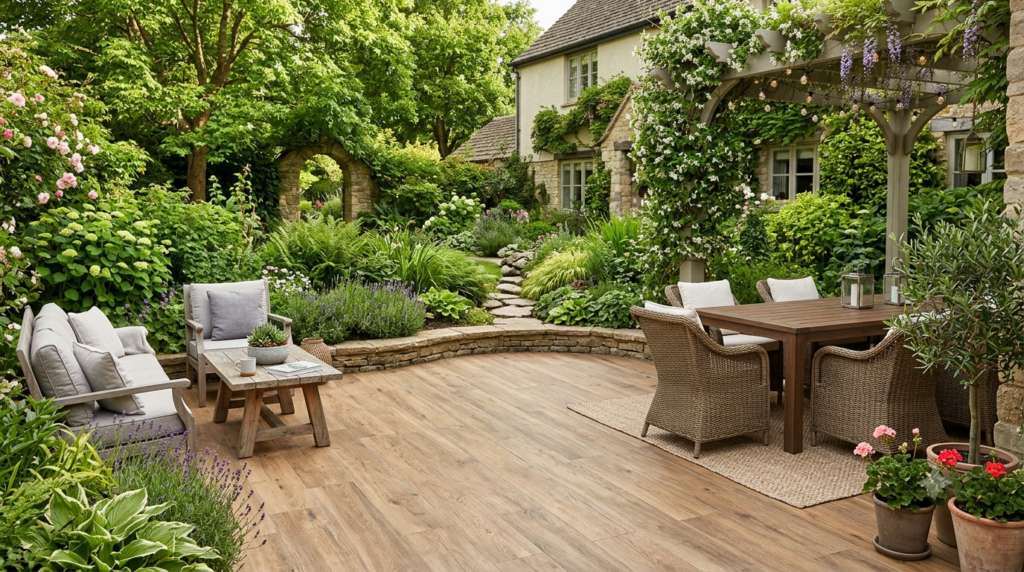
Choosing the best tile requires balancing aesthetics with practical functionality. Here are key technical factors to consider:
-
Tile Size & Thickness: Large-format tiles create seamless spaces with minimal grout lines, while standard sizes work well in smaller rooms. Standard 8–10mm thickness works well indoors, whereas 20mm tiles are recommended for outdoor paving.
-
Surface Finish: Opt for polished finishes in low-moisture areas like living rooms, while selecting matt or textured finishes for wet areas like shower floors and patios.
-
PEI Rating: Check the Porcelain Enamel Institute (PEI) hardness rating:
-
PEI 1–2: Light residential traffic (walls).
-
PEI 3–4: Medium to heavy residential and light commercial floors.
-
PEI 5: Heavy commercial traffic.
-
-
Slip Resistance (R-Rating): For outdoor spaces and bathrooms, look for an R10 or R11 slip rating to ensure safety.
-
Color & Design Synergy: Match tile tones with your lighting and overall interior palette. Lighter shades enlarge compact spaces, while darker tones add dramatic elegance.
-
Installation & Budget: Ensure you factor in proper subfloor preparation, professional tile setters, and high-performance adhesives suitable for porcelain.
Partnering with trusted manufacturers like Pollux Porcelano ensures you get expert guidance, high-grade materials, and timeless designs tailored precisely to your project’s needs.
Inquiry Now